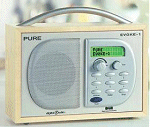
Last year saw an increased focus on digital broadcasts by the radio industry, as the rising penetration of DAB radio equipment provided increased incentive for station operators.
According to figures from RAJAR, DAB listening has now overtaken combined listening via digital television (DTV) and through the internet, with total listening hours for digital radio increasing by 165% year on year in the third quarter (see Digital Radio Sees Surge In Listening). RAJAR’s statistics also show the number of people listening to digital radio in its many formats rising by 25% year on year.
The increased interest in digital stations has seen several broadcasters widen their services. Virgin Radio launched its third digital station in September, aiming its Virgin Radio Xtreme brand at a teenage audience and playing only the newest guitar-based music (see Virgin To Launch Third Digital Station Next Month).
Elsewhere, regional broadcaster NOWdigital extended its DAB portfolio with two new stations carrying the Ourkindofmusic brand across Essex, Reading and Basingstoke (see NOWdigital Launches Two New Radio Stations).
The increased interest in digital stations was not limited to populist music offerings, however, as 2005 saw UBC Media complete its agreement with Channel 4 for the broadcaster to acquire 51% of speech station, Oneword (see Oneword Deal Completed With Channel 4).
The station is expected to compete directly with BBC Radio 4 in the upmarket talk radio category, and as discussed at MediaTel INSIGHT’s Digital Radio and Beyond seminar, stands to benefit from the speech renaissance offered by digital broadcasting (see Radio Bosses See Speech Renaissance In Digital).
GCap has also set its sights on the BBC’s audience, with chief executive Ralph Bernard calling for commercial broadcasters to “challenge the BBC” and give the Corporation “real competition” in the radio industry (see GCap Chief Calls For Challenge To The BBC).
Bernard’s plan includes the combination of Capital Gold and national digital station Life, with both re-branded as one national station to “attack” BBC Radio 2. GCap also outlined plans to extend its Xfm brand and use digital station Planet Rock to grab male listeners from the BBC channel (see GCap sells nine stations and plans to launch XFM and Gold brands on Digital).
“This will not happen overnight,” Bernard explained in November, “it will be prudent investment in stages to keep us ahead of the digital curve. We see the BBC as the target; commercial radio has not been innovative enough and has lost audience to the BBC as a result.”
Outside conventional DAB broadcasts, new technology looks set to expand the offerings of traditional radio broadcasters, with on-demand listening, as well as PVR-esque pause and playback capabilities edging their way into the mainstream.
The BBC recorded a massive upswing in the use of its Radio Player software, breaking all previous records in allowing instant access to the last seven days of radio broadcasts (see BBC Sees Online Radio Break All Records). Virgin too boarded the on-demand bandwagon, launching its own online radio player (see Virgin Launches Advanced Internet Radio Player), rolling out podcasts of its newest shows (see Virgin Radio To Launch Second Podcast Show) and debuting the UK’s first example of ‘podvertising’ (see Virgin Makes Podvertising First With Pete And Geoff).
Elsewhere, new revenue streams through digital radio look to be just around the corner, as new technology allowing instant music downloads using spare DAB bandwidth was demonstrated by UBC Media chief executive, Simon Cole, at the Digital Radio and Beyond seminar (see New Technology Offers Glimpse Of Radio’s Future).
The most recent MediaTel INSIGHT Digital Radio Executive Report gives full details on 2005’s radio market, including a look towards the new technologies shaping tomorrow’s radio market. Subscribers can download the report from www.mediatelinsight.co.uk, while non-subscribers can purchase a copy here.
Looking outside the influences of new technology, last year saw some of the biggest names in radio switch positions, with long-time broadcaster Jono Coleman joining BBC London after being replaced by Jamie Theakston as the breakfast host of Heart 106.2 (see Coleman Makes Return To Breakfast Radio).
There were more musical chairs at breakfast for Xfm, who lost poster-boy DJ Christian O’Connell to rival Virgin (see Virgin Signs O’Connell As New Breakfast Host), and in turn appointed drivetime host Lauren Laverne to take over the show Monday to Thursday. In an unusual move, the station appointed veteran DJ Shaun Keaveny for Friday’s Breakfast Show, kicking off a whole day of dedicated programming building up to the weekend (see Xfm Shakes Up DJs To Give Listeners Friday Feeling).
Chris Evans ended his six year absence from the radio industry in 2005, with the ginger funnyman marking his long-awaited return with a flamboyant inking of his new BBC Radio 2 contract live on stage at the Edinburgh Radio Festival (see Evans Signs With Radio 2 For Return To Radio). Fellow comedian Vic Reeves also took to the air last year, with his own bizarre brand of humour becoming a regular feature of Virgin Radio’s schedule (see Reeves Joins Virgin Radio Line Up).
Perhaps the biggest change for the industry as a whole came at the beginning of 2005, as Capital Radio and GWR completed their merger to become GCap Media (see Capital And GWR Name Merged Group). The consolidated operator instantly became the nation’s largest radio broadcaster, commanding a share of over 40% in the radio advertising industry.
The end of the year saw GCap undertake a radical rethink of its ad operations, however, slashing minutage on Capital FM in an effort to attract more listeners in the long term. The move will cost the company £4m-£7m in its first year, although the attraction of listeners who see advertising as a “turn off” should lead to more valuable ad breaks overall (see Ad Breaks and Minutage Cut on Flagship Capital Radio from December).
2005 also saw Emap acquire Scottish Radio Holdings (SRH), securing control of the company in a deal worth £391 million. SRH’s 22 stations were absorbed into Emap’s portfolio, with the combined company commanding a market share of 22%.
Elsewhere, consolidation continued as The Local Radio Company (TLRC) entered a joint radio sales venture with Ulster Television (UTV), selling the firm a 50% stake in its sales house, First Radio Sales (FRS), for £500,000 (see UTV Secures 50% Stake In First Radio Sales). The move saw FRS secure the airtime sales contract for 17 local radio stations acquired by UTV in its purchase of The Wireless Group earlier in the year (see UTV Shareholders Approve TWG Acquisition).
Overall 2005 saw the radio industry in mixed health, with many broadcasters reporting growth in advertising revenues, but reporting overall advertising share to be down. Chrysalis reported a positive performance, with strong RAJAR results in the last period boosting confidence for the rest of its financial year (see Chrysalis Reports Turnover Of £155.2 Million). However, the company’s full year report showed executives missing out on bonuses last year, due to a dip in profits of 72%.
Emap’s radio assets lived up to expectations, enjoying an increase of 23% in revenues, with solid RAJAR figures for the last quarter seen across the Group’s whole portfolio (see Emap Reports 6% Increase In Revenue).
GCap suffered publicly towards the end of 2005, as Capital FM continued to lose audience, and its number one spot in London (see Heart Takes The Lead In London Heart Takes The Lead In London ). Chief executive Ralph Bernard was optimistic for his company, and for the industry as a whole, however. “It’s pretty ugly out there”, he said in the second half of the year, citing a depressed ad market and ongoing criticism of the consolidation within the industry, but claimed to be “incredibly optimistic” regardless (see GCap Chief Calls For Challenge To The BBC).
The industry as a whole will be hoping for GCap, as the industry’s largest player, to lead the radio revival in 2006.