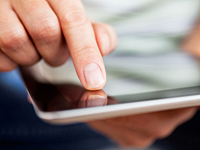
Research conducted by eDigitalResearch and IMRG reveals that 81% of tablet owners use their device while watching television, while 80% of smartphone owners do the same.
Owners of laptops were slightly lower, with 73% second screening. The eCustomerServiceIndex report also stated that retail sites are the most popular type of destination.
The results strongly indicate that the majority of second screeners use their mobile devices to browse the internet. Retail websites were amongst the most popular sites to visit and browse, as were social media sites and search engines.
As the consumer uptake of mobile devices continues to increase, it is essential that retailers integrate all of their channels, including their marketing messages and ensure that customers are getting the same experience no matter how they choose to interact with brands.
The survey also found that 41% of smartphone and tablet owners have been directly encouraged to browse for products on the Internet after seeing something on a television programme or advert, with nearly one third (30%) having made a purchase afterward.
Derek Eccleston, head of research at eDigitalResearch, comments, “It’s become increasingly evident in recent months that integration of channels is growing ever more important for retailer’s success. This latest research shows that it’s not only just browsing and buying channels that should be joined up and coherent to customers but marketing messages as well”.
Read more over at eDigitalResearch.