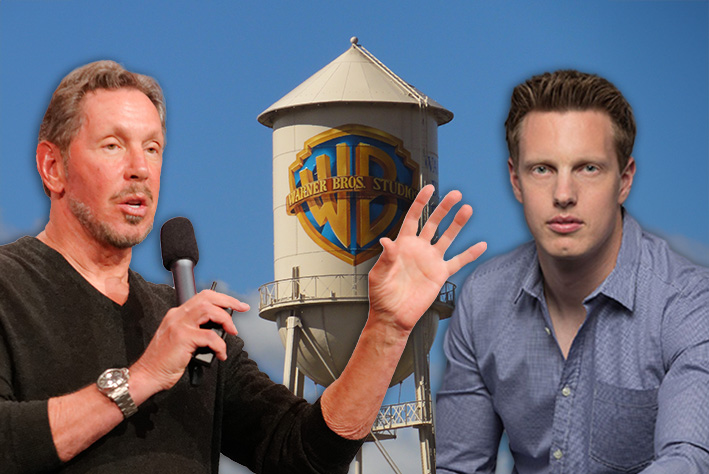

Channel 4 and Paramount have backed scrutiny of the proposed ITV-Sky deal, following culture secretary Lisa Nandy’s decision on Wednesday to refer the proposal to the Competition & Markets Authority and Ofcom.
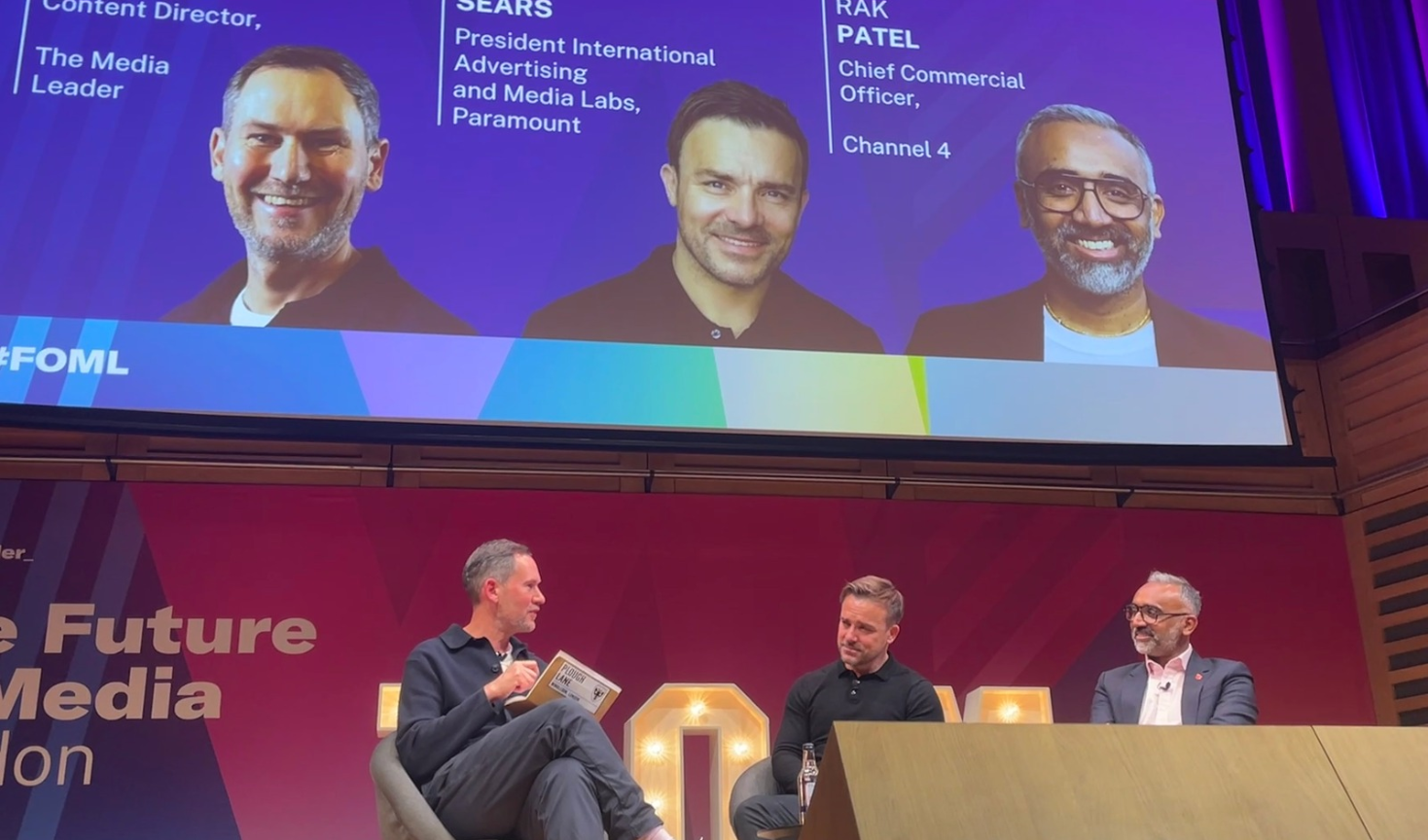
Speaking at The Media Leader‘s Future of Media London event, Lee Sears, president of international advertising and Media Labs at Paramount, and Rak Patel, chief commercial officer at Channel 4, discussed the implications of the deal, which looks set to reshape the UK broadcasting landscape.
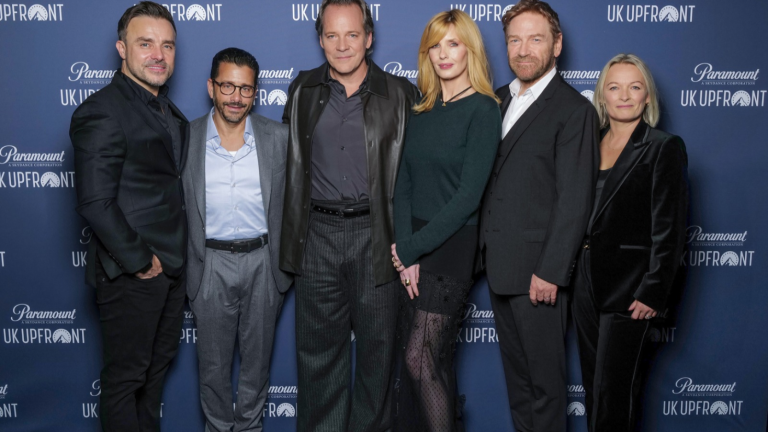
The pair were appearing on stage to discuss their own partnership, announced in September, that will see Channel 4 Sales take on advertising sales for Paramount’s UK brands, including 5.
Asked about the ITV/Sky deal, Patel said: “A deal of that nature needs scrutiny.”
He identified news provision and advertising market competition as two key areas requiring consideration from Channel 4’s perspective. Both Channel 4 and 5 receive their news programming from ITN.
Patel also noted that the deal should not create “distortion to the ad market” in a way that could affect other players, adding that Channel 4 would make appropriate representations at the relevant time.
Sears highlighted sport as another area of concern, pointing to the potential for “a big concentration of sport in that space”.
He observed that any deal of this nature would need to be “thoroughly vetted and made sure that it’s right for all”.
Channel 4 and Paramount partnership
During their appearance at The Future of Media, the duo explored the commercial rationale behind the partnership between Channel 4 and Paramount.
Sears explained that the two companies had been in discussions for some time before moving forward, with the partnership offering advertisers greater reach and scale by bringing together two public-service broadcasters (PSBs) and their audiences.
Patel said content was central to the alliance, but added that advertisers were also looking for scale, effectiveness and trusted environments in which to tell their stories.
These priorities had become apparent early in discussions with Paramount, Patel noted, as “those boxes start[ed] to get ticked very quickly”.
The pair described the partnership as collaborative, with the two broadcasters able to complement one another while maintaining their clearly defined tone of voice.
As Sears explained to advertisers: “In a landscape where the audience is fragmented and there’s lots of entry points, this is the consolidation of that fragmentation.”
Advertising as ‘funding decision’
Beyond the partnership, Patel raised wider questions about the effectiveness of advertising investment and its contribution to the UK economy.
Citing IPA Effectiveness Databank figures, he said short-term effectiveness had increased 4% over the past five years, while incremental profit had fallen by 11%. Over the same period, UK advertising spend had almost doubled.
Patel questioned whether the growth in advertising expenditure was translating into a corresponding improvement in economic performance.
“Advertising is there as a funding decision, not just a media decision,” he said. “And it should be there to really prop up the UK economy and ensure the UK economy grows in the way that money is spent.”
Patel highlighted the role of PSBs in reinvesting advertising revenue into their content, arguing that this helps support the wider creative economy in the UK.
Closing the session on a different note, James Longhurst, content director at The Media Leader, asked which on-screen talent from their respective channels the pair would choose to work with.
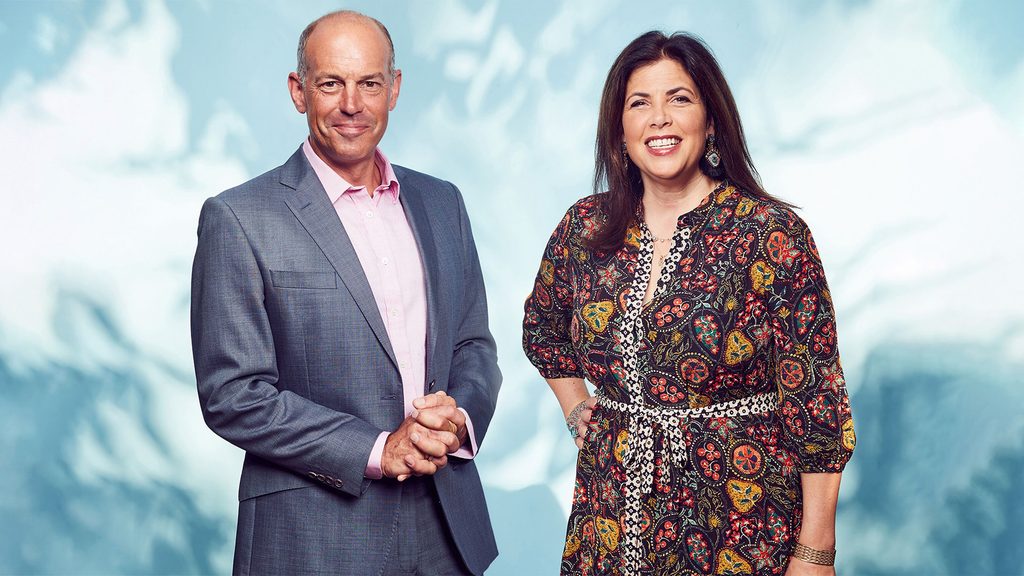
Patel immediately opted for Kirstie Allsopp and Phil Spencer from Location, Location, Location: “They are selling in the way that selling should be done.”
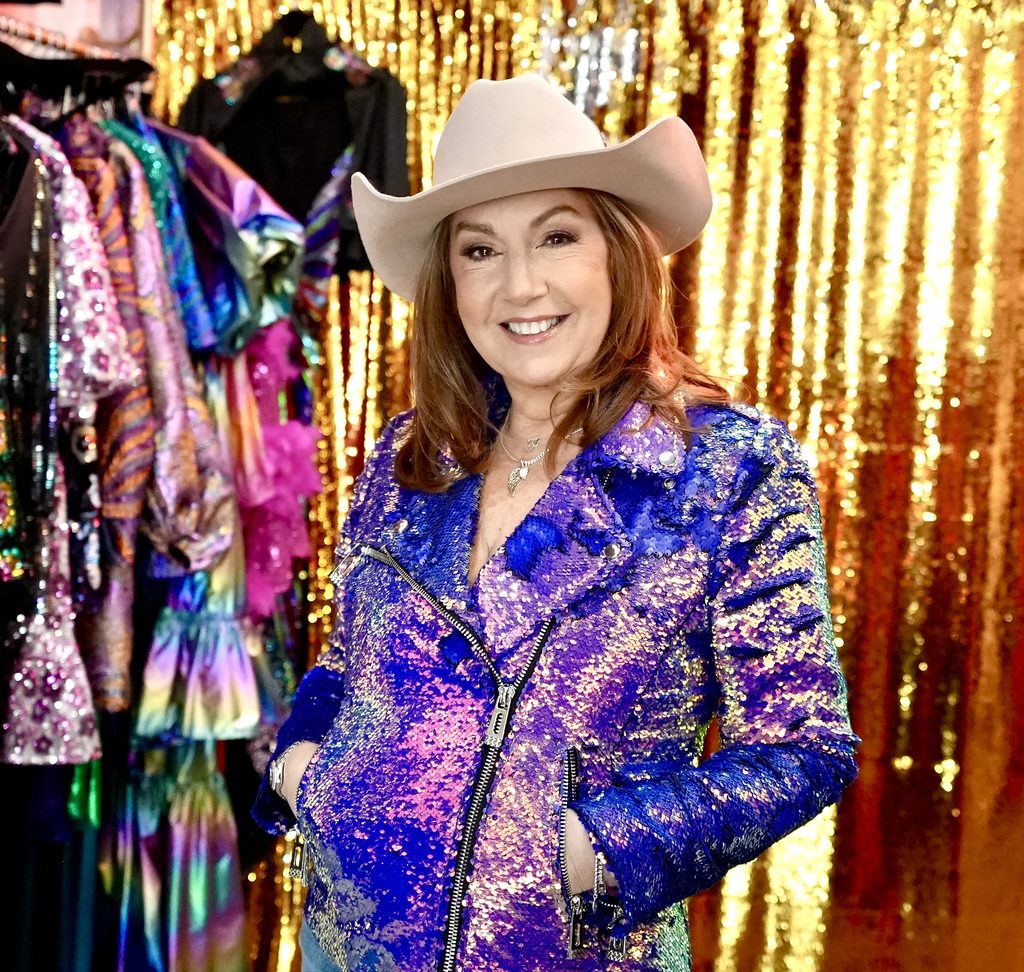
Sears had a more varied selection, naming Peppa Pig character Daddy Pig (“he’s a bit of an expert”); presenter Jane McDonald, who “makes everything fun”; and actor Tom Hardy, who stars in Mobland, “just to make sure everything’s going how it needs to”.