
The Future of Media London 2026
Trust has moved somewhere brands can’t see.”
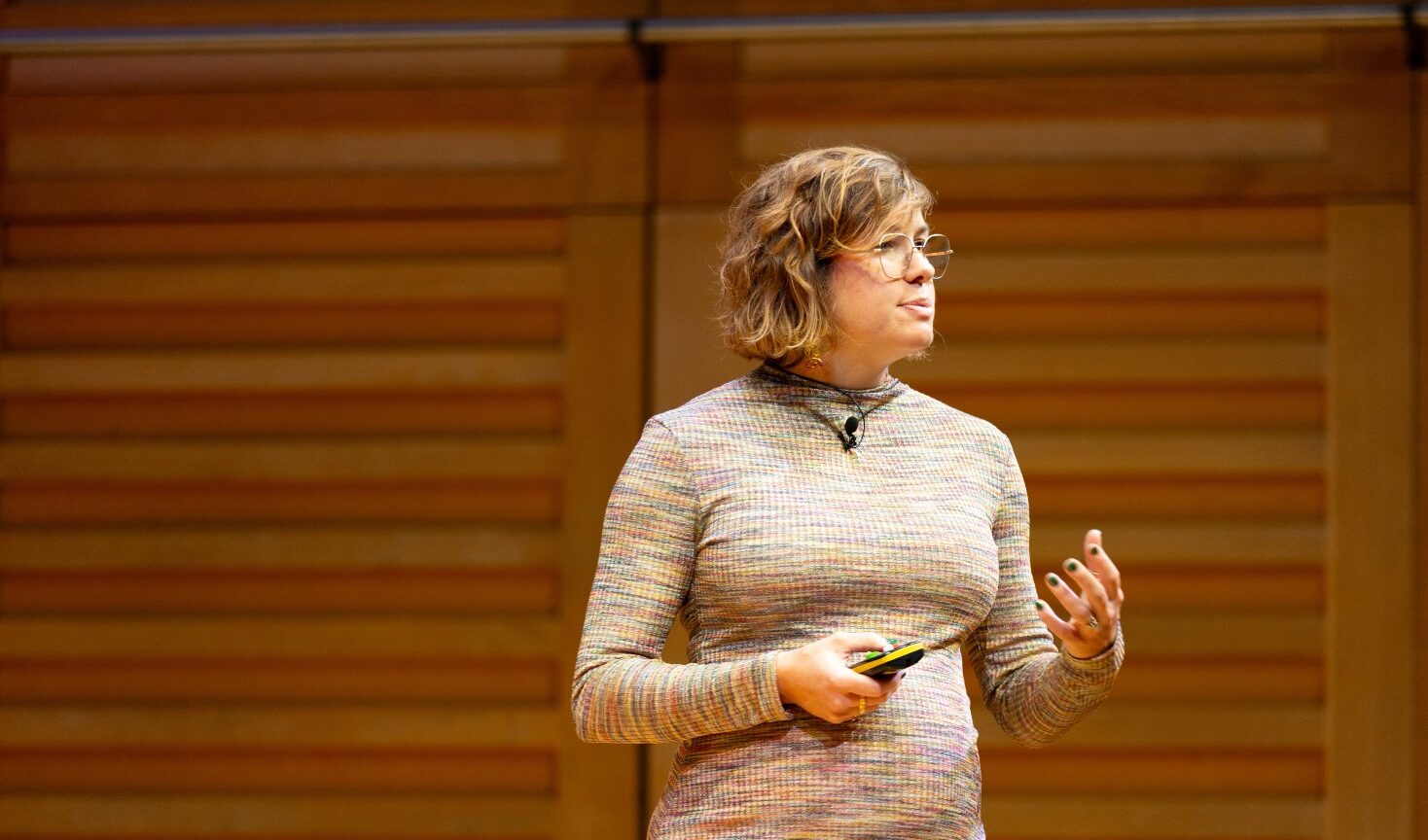
Natasha Wallace, Jellyfish’s global chief of media, strategy and AI, believes creator marketing has matured in the wrong direction.
Consumer trust, she argued at last week’s Future of Media London conference, has been betrayed by digital marketing agencies that specialise in astroturfing online sentiment and influencers whose personalities have been hollowed out by paid brand campaigns.
That hasn’t stopped marketers from embracing the creator economy. Last year, user-generated content (UGC) on platforms such as YouTube, Instagram and TikTok attracted more ad revenue than professional media produced by the likes of broadcasters and publishers. According to a recent estimate by IAB UK, ad investment in UK creator partnerships is expected to surpass $1.2bn this year.
However, Wallace cited the work of Chaotic Good Projects and the development of professional “clippers” as undermining trust in the broader social media ecosystem, even as marketers continue to spend more on advertising against UGC.
“Are creators ruining marketing?” Wallace asked provocatively. “Is how we’ve approached creator marketing to date the right way for us to approach it or do we need to start to think about things differently?”
Manufacturing organic authenticity
Chaotic Good Projects made headlines in April after co-founders Jesse Coren and Andrew Spelman explained their viral methods in an interview with Billboard. The company builds networks of social media accounts that it uses to drive brands (in their case, musical artists) into platforms’ recommendation algorithms. These include through the use of clip farming, comment sections and other fabrications. Spelman referred to the process as “trend simulation”.
Wired later reported that Chaotic Good Projects was behind viral campaigns for ascendant indie band Geese and its frontman Cameron Winter.
“They manufacture what feels like organic authenticity,” Wallace explained. “They make things feel unmissable.”
She likewise criticised clipping strategies as nothing more than “flooding the algorithms with a ton of content” to inflate the supposed importance of a brand, individual or campaign.
To some, these are fair-game, pragmatic marketing tactics. But for a media channel that has long prided itself on the importance of authenticity, it poses a risk, Wallace argued.
Such tactics, she said, undermine trust in “what is real any more”. And she posed a thornier question: does it matter if it’s real if we find it entertaining?
‘Going viral gives people the ick’
According to Wallace, trends in online behaviours suggest audiences have caught on — and are increasingly unreceptive to actors trying to manipulate their feeds.
Consumers, she said, are not interested in brands that are “buying their way to virality”, nor in creators “who just make content about being an influencer”.
“We’re starting to see a rejection of virality or popularity cultivated by algorithms,” Wallace continued. “Going viral gives people the ick. We’re seeing a real rejection of that at the moment.”
Wallace referenced the trend of “ghost posting“, in which Instagram users post and immediately archive content, which is then later unarchived so that it shows up on their profile without being pushed to followers’ main feeds. This behaviour gives users “full agency” by “not waiting for the algorithm to tell you whether that content was good or bad”.
Moreover, for marketers, while the communal aspects of social media still exist, they are increasingly occurring in places “where brands are not necessarily welcome to participate”, such as in private group chats on WhatsApp, Snapchat and Discord.
That said, creators will remain an important part of marketing strategies because — if nothing else — AI chatbots commonly reference and cite them.
According to Jellyfish’s internal research, YouTube creators comprise one in four source citations by large language models. These include niche creators that post consistently, even if they do not receive significant engagement.
As Digiday has previously reported, YouTube has become the darling of chatbots — especially (and unsurprisingly) Google’s own AI search products.
Five things to do differently
Wallace offered five suggestions for brands to improve their creator marketing strategy and regain trust from consumers on platforms.
The first: “build for the field, not the feed”.
Brands, she advised, should actively “participate in a scene”, engaging with communities for their own sake rather than by simply producing high volumes of content.
Secondly, brands should consider their creator strategy as primarily hinging on customer experience.
Customers, Wallace said, should be the core advocates for brands — not paid influencers. “Rather than buying advocacy, earn it,” she recommended. “Then fill the gaps that your customers cannot fulfill.”
Marketers should also consider using highly relevant creators for the audiences they are targeting, even if they don’t reach as many people. “Relevance trumps reach with AI models,” Wallace added.
Brands should treat creators like the media channel they are, she continued. Creators are increasingly asking for equity in the brands they represent or a “seat at the table” to collaborate on product development and marketing strategy. The best creator partnerships are those that are long-lasting, Wallace suggested.
Finally, she insisted paid social strategies should “really be the last thing you think about”.
Wallace concluded: “You should start every planning session with a single question: what do I have to pay for because I haven’t been able to earn it?”