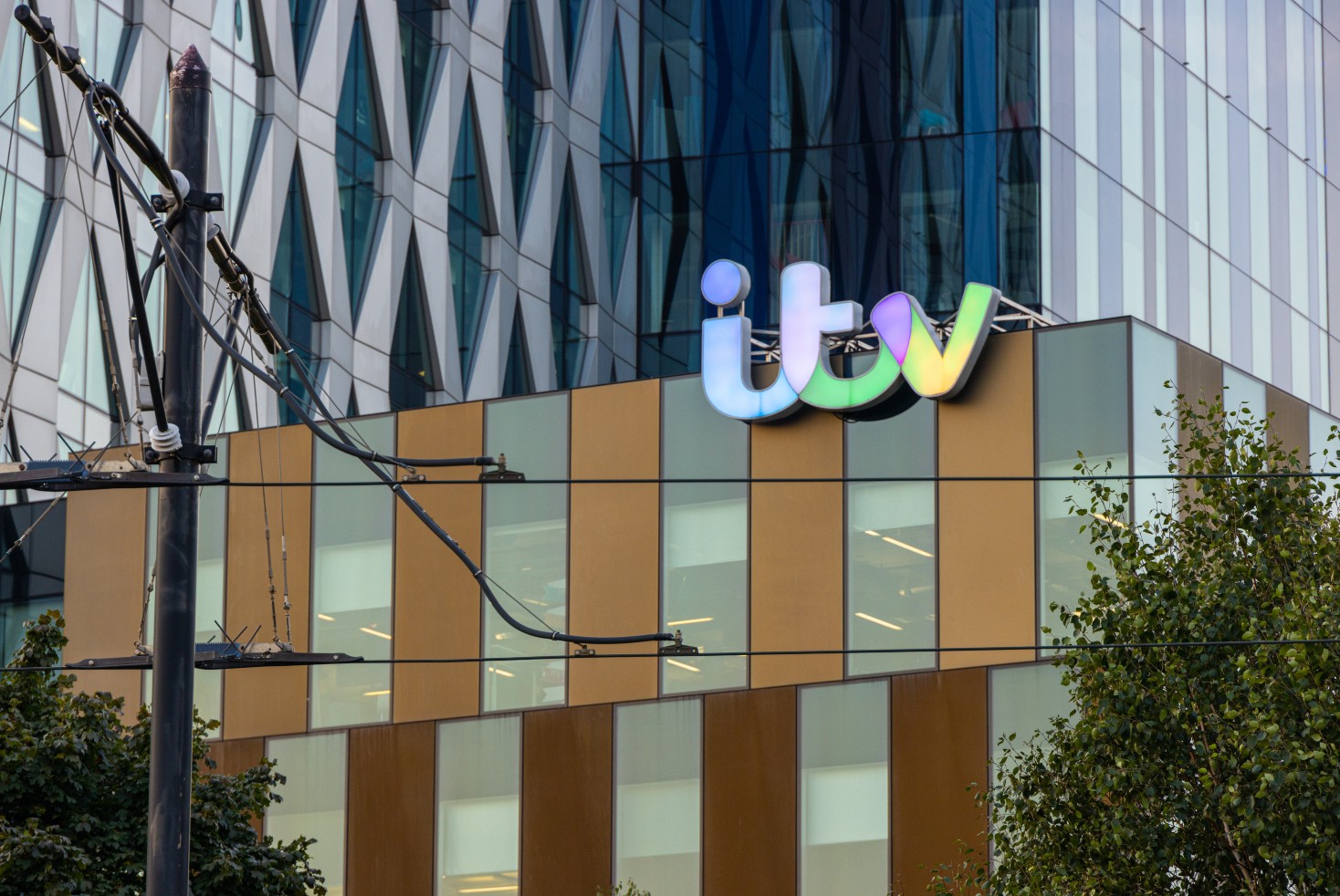
The Government has finally cleared the way for the £4 billion merger of Carlton and Granada, in a move that will see the creation of a unified ITV capable of competing more effectively with the BBC and BSkyB.
Trade and industry secretary, Patricia Hewitt, has decided not to force the ITV partners to sell off their sales houses to be run separately, a condition which Carlton and Granada had previously described as a “deal breaker”.
However, the merger will only go ahead if both companies agree to a series of behavioural remedies designed to alleviate concerns over the power wielded by a single ITV in the television advertising market. These include the requirement that advertisers can renew their share deals on the same terms as their previous contracts. Carlton and Granada will have to agree to price promises that will be overseen by an independent adjudicator.
The conditions are designed to counteract a number of adverse effects expected to result from the merger. Most notably the negative impact on the other ITV regional licences in Scotland and Northern Ireland and reduced competition in the market for airtime sales.
Hewitt has asked the OFT to work with the ITC and Ofcom to obtain details from Carlton and Granada on how they will implement this package of behavioural remedies. These details are to be provided by 7 November.
The Government said that the proposed merger would benefit broadcasting, programming and the competition for viewers. Commenting on the decision, Hewitt said:
“I am confident that the merged company will be able to compete more effectively with the BBC, Channels 4 and 5, and BSkyB. Technological and regulatory developments have changed the broadcasting landscape and the position of ITV has become increasingly difficult to maintain.
“A stronger ITV will be better able to invest in and provide programming of high quality, including regional programmes. Broadcasting as a whole will benefit. This outcome would be consistent with the de-regulatory reforms we have made in the Communication Act 2003 which removed the regulatory barriers to a single ITV.”
The decision is likely to receive a mixed reaction from advertisers which are keen to see the creation of a strong ITV competing more effectively for viewers, but fear that a single company, with 52% of the television advertising market, could distort the competition for airtime sales.