
Chancellor Rishi Sunak has reportedly led a cabinet pushback against replacing the BBC licence fee, despite the Culture Secretary claiming last weekend this would happen by 2027.
The Financial Times reported Sunak, Thérèse Coffey and Liz Truss all had concerns about how the potential replacement of the licence fee was announced over the weekend on Twitter and in the Mail on Sunday without proper Cabinet consultation.
Truss, in particular, reportedly voiced worries that squeezing funds on the BBC World Service would increase the impact of Russian and Chinese disinformation.
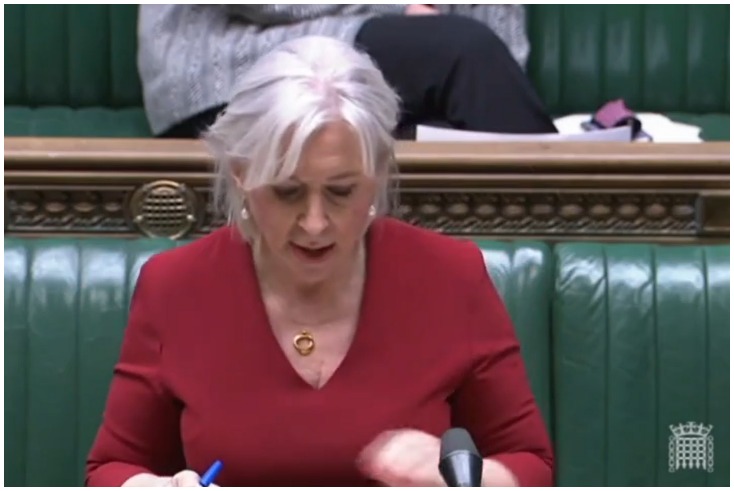
This apparently led Culture Secretary Nadine Dorries to row back from suggestions she made in a Tweet that this licence fee agreement “would be the last” in a speech to the House of Commons on Monday.
In her speech, she apologised to the Speaker for how the licence fee announcement was made without first consulting the House. She only mentioned the licence fee being frozen for the next two years and then rising in line with inflation for the following four years.
Dorries also said the government would double the borrowing limit available to the BBC’s commercial arm to more than £150m to boost investment in the creative industry in the UK.
However, Dorries did echo Tim Davie in his opening speech as director general of BBC by saying the corporation needed to be a “simpler and leaner organisation” that offers better value and efficiency to licence-fee payers.
She also said the BBC needed to address problems of “impartiality and group think”.
READ MORE ON THE FUTURE OF THE BBC:
Raymond Snoddy – BBC can look forward to Operation Red Meat being Dead Meat
Editor’s column – Starve the BBC of money and Flat Earthers at your peril
NMA warns freezing the licence fee is ‘direct threat’ to strength of UK news