
Last month I met with Ian Russell of the Molly Rose Foundation. His daughter Molly took her own life in 2017, aged 14. An inquiry later found that in the six months prior to her death, there were only 12 days when she wasn’t exposed to harmful content on social media.
In the weeks following our meeting, a coroner’s report brought renewed attention to the death of Adriana Retyte, another 14-year-old girl who had taken her life one evening in her bedroom. The coroner found that harmful material on social media “may have played a significant part in her decision to take her life that evening.”
I have a daughter a few years away from being old enough for social media. Her younger brother will follow a couple of years later. I’m all too aware of how quickly that time will pass, life seems to accelerate as they grow. When almost nine years separate the deaths of Molly and Adriana it’s hard to imagine things will improve by the time my kids find themselves old enough to face similar risks.
I understand of course that not all social media is bad. I use it daily. I bought some of the first social ads to have run in the UK. I get that it contains entertaining content from talented, creative people and I see the returns it delivers for many advertisers.
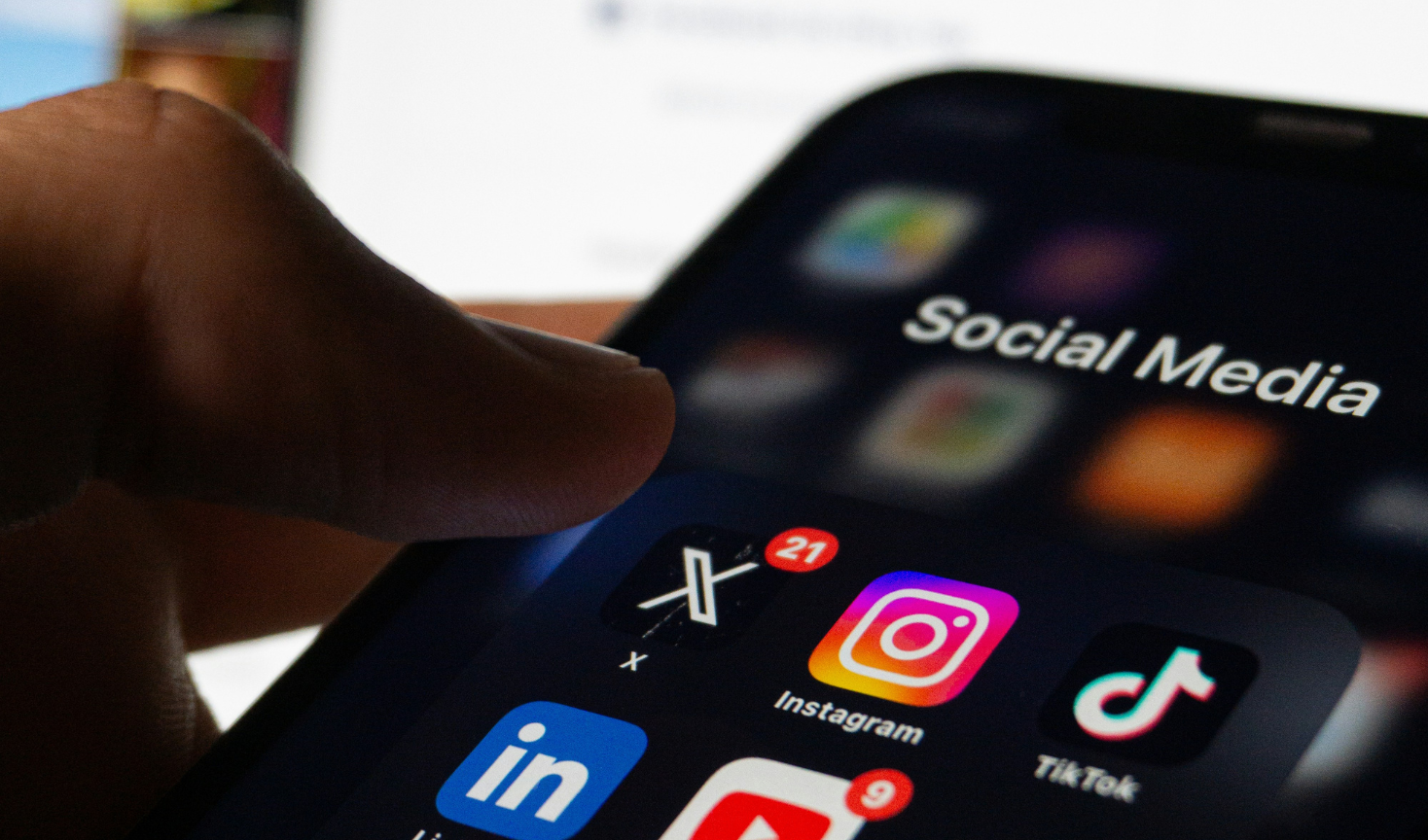
But at the same time, social platforms appear set up for even a small amount of harmful content to do a hell of a lot of damage, and ad money plays a role in this system.
Three things seem to be creating and compounding the problem:
1. Harmful content isn’t being cleaned up quickly enough
An Ofcom review published earlier this month, looking at the first nine months of the Online Safety Act’s child-protection rules, found little evidence of progress.
The act, which came into force in July 2025, requires social media platforms to protect children from harmful content including pornography, violence, suicide material, racism, misogyny and bullying. The recent review found:
“At a total level there was no significant change in the proportion of children encountering harmful content over the first nine months after the children’s safety duties came into force in July 2025.”
Speaking to MPs a fortnight ago, Ofcom’s chief executive Melanie Dawes said:
We do not see a safety culture from these large social media companies … they are very slow to acknowledge that there are risks of criminal action.”
2. We’ve lost control of content and context
By some platforms’ own admission, we’re now in a post-follower world. In the last six years the proportion of content people see from accounts they don’t follow has risen from 0% to 70%.
Which makes it much harder to control what you see when you open an app and raises questions about how algorithms decide what to serve you up. What small actions trigger the machine to serve more of the same? When harmful content exists within this system, the risk of it being discovered and amplified increases.
Advertisers are also at the algorithm’s mercy. As an industry, we’ve ceded much of our control over context. Sacrificing the ability to target specific moments, category entry points, dayparts and the content we appear alongside in favour of: ‘just let the algorithm optimise itself’.
New formats that allow advertisers to take over larger chunks of a platform may offer a way back into buying context. But you’d want to be pretty sure everything on a platform is safe before appearing in front of it all.
3. More adspend requires more attention
Social media’s growing share of advertising spend has become a regular feature of adspend reports. But what happens when adspend growth outstrips that of the audience?
Research by US agency Odylic Media used Meta’s annual reports and earnings releases to estimate that between 2020 and 2025 its ad supply grew almost three times faster than its user base. Implying around 50% more ad impressions per daily active user.
Serving extra impressions needs user attention to be held for longer. The days of a platform saying “you’re all caught up” are long gone.
With more money chasing only marginally more people, its little wonder some are questioning the sustainability of advertisers increased social media investment. A recent study by Radiocentre and WPP found shifting even small amounts of paid social budget into audio could increase advertiser profits.
It’s easy to feel powerless
When it comes to tech companies with the power of nation states, it’s tempting to think change is impossible. Even governments seem to struggle in holding them to account, though a real solution will certainly require them to take on that challenge.
At the same time advertisers, both working with an agency and the huge numbers booking direct, should question if the algorithm in fact knows the best way to spend the next pound. Considering if a more diverse media mix might deliver better profitability for their own business, along with greater control over when and where they show up.