
There are few phrases more guaranteed to make a strategist’s eye twitch than: “We need to get into culture.”
Culture isn’t something you can simply butt your way into to join the wider conversation, but brands have become extremely good at renting cultural relevance. Buy the partnership. Borrow the celebrity. License the song. Brief the creator. Sponsor the tournament. Turn up at the festival. They borrow the attention and meaning of things people already care about. Done well, it can be enormously effective, giving brands access to audiences, associations and fame at scale. Sometimes that’s exactly the job that needs doing.
Brands have become much better at reacting to culture. Social platforms have collapsed the distance between something happening and everyone having an opinion about it. That demands shorter SLA’s, greater autonomy and social teams that are trusted to behave a little more like people and a little less like the final stages of a procurement process. Because cultural timing has a brutal expiry date. By the time a brand has debated whether something feels “on tone”, added a logo and secured final legal approval, the internet has often already enjoyed it, ruined it and moved on.
Speed matters. But there is a difference between being quick enough to participate in culture and being meaningful enough to belong within it. You can engineer the former. The latter must accumulate.
Culture has a time problem
It’s interesting that we tend to talk about culture as if it moves impossibly quickly, but the things that give culture meaning are much slower. In the UK, our humour, rituals, communities, food habits and ideas about what Britain is, are built through participation and repetition. They’re inherited, challenged, shared and remade. And British culture is gloriously resistant to being put into one neat audience segment.
It is Chicken Shop Date and the Chelsea Flower Show. Notting Hill Carnival and Whitby Goth Weekend. Blackpool Illuminations and a suspiciously competitive village marrow competition. It is the pub, the allotment, and the person getting a Greggs immediately after landing at Newcastle Airport as though they have been medically deprived of sausage rolls abroad. Some of these things are centuries old. Some were invented on YouTube. Some are deeply local until suddenly they are not. All can be culturally potent.
That is why our obsession with finding “the next big cultural moment” can miss something more interesting. Culture is not a conveyor belt of new things arriving. Old rituals acquire new meanings. Subcultures become mainstream and splinter again. Things we thought were deeply uncool return wearing better trousers.
So brands need to think about operating across different horizons. They need to be fast enough to participate in what matters now, famous enough to reach beyond a tiny group of cultural insiders.
Cultural strategy should never become an elaborate excuse for avoiding scale. Marketing still needs to make brands famous amongst a defined audience large enough to generate growth. But culture can make that fame richer, connecting a brand to memories, communities, occasions and meanings that make it easier to notice, remember and choose.
And there is increasingly good evidence for this. Kantar’s BrandZ analysis found brands with high cultural vibrancy grew nearly six times more than brands with low cultural vibrancy over a ten-year period. Culturally vibrant brands were also 79% more Different and 48% more Meaningful than their peers. A cultural moment can generate attention. Repeated cultural meaning can become memory.
The expression can change. The association should endure.
I was lucky enough to work on the twentieth anniversary of Dove’s Campaign for Real Beauty. Twenty years is a slightly deranged amount of time in advertising. Think how many CMOs, agencies, platforms, restructures and urgent requests to “modernise the positioning” fit into two decades.
What struck me wasn’t that Dove had been saying the same thing for 20 years. It hadn’t. The conversation around beauty had changed almost beyond recognition, from narrow ideals and retouched advertising to filters, algorithms and generative AI. The expression changed because culture changed. That distinction feels important.
Long-term cultural strategy is not repeating yourself for 20 years. God help us. It is knowing what you want to mean to audiences, then allowing how you express that meaning to evolve with the world around you. Few brands get the privilege of doing that anymore. We obsess over reinvention. Perhaps consistency is becoming countercultural.
Culture does not belong to a generation
That obsession with newness creates another problem. Advertising has developed a peculiar habit of treating “culture” as shorthand for “young people doing new things”. But culture is not generational. It is participatory.
The idea that culture neatly divides itself into generational blocs requires a heroic suspension of disbelief, as though sharing a birth decade somehow guarantees sharing a cultural identity. After all, those who were raving at the Haçienda in the 1980s might have rather more claim to rave culture than the Gen Zs discovering it today. Culture doesn’t check your date of birth at the door.
Culture is built in communities, not audience segments
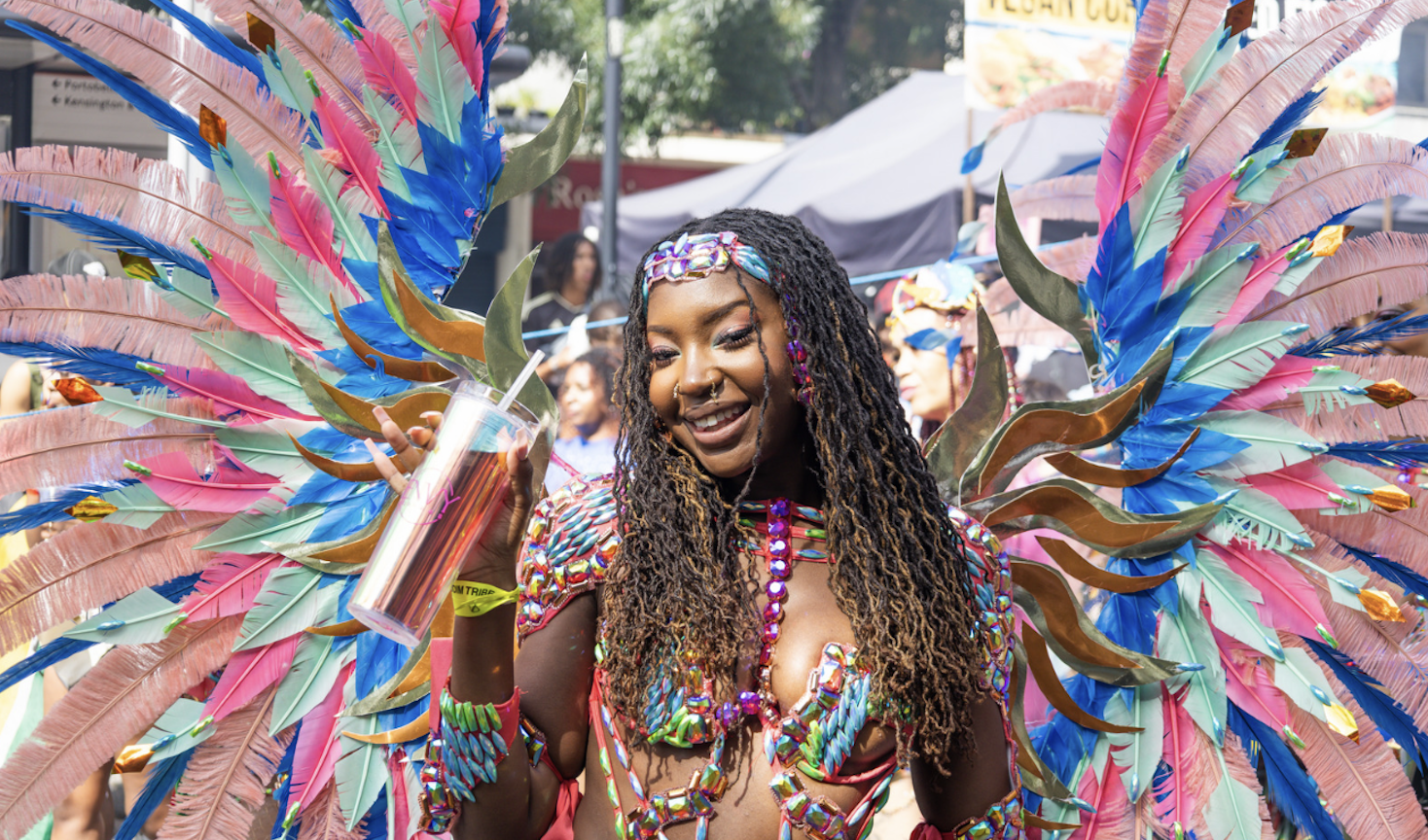
This is where brands need to play a longer game. Take Notting Hill Carnival. It celebrated its 60th anniversary this year, but began as something profoundly local.
In 1966, community activist Rhaune Laslett organised a children’s street party in a neighbourhood scarred by racial tension and poor housing. What began as a community response became one of the world’s great cultural events.
Nobody sat in a meeting in 1966 and wrote “objective: create an iconic global cultural property”. Nor is this an invitation for brands to slap a badge on Carnival and call themselves ‘culturally embedded’.
Unless a brand has a credible connection to West London or Caribbean culture, or has supported the communities and infrastructure that sustain Carnival, turning up for the bank holiday weekend is participation theatre, not cultural belonging.
And audiences know the difference. They can spot the distance between a brand that has grown from a culture and one that has simply dressed itself in its codes. Cultural credibility cannot be borrowed for a bank holiday weekend, it is earned through years of showing up, giving back and doing the work when the cameras aren’t rolling. You cannot claim cultural belonging without the receipts to prove it.
The point is not to identify the biggest cultural moment and attach yourself to it. It is to invest in communities so that, when those moments arrive, your presence makes sense.
Carnival is not simply two spectacular days in August. The spectacle is sustained by an ecosystem of participation that most of us never see. That is culture built slowly.
And this is where brands can have a more useful role. Fund the grassroots. Give people space. Back emerging talent before they become famous. Give existing communities a bigger stage rather than arriving with a branded imitation of what they were already doing perfectly well themselves.
Belonging is an effectiveness strategy
Research from our Omnicom colleagues at Weber Shandwick with the IPA gets even closer to the commercial argument.
Campaigns generating coverage and conversation over the long term were 53% more likely to drive very large business effects and 2.6 times more likely to generate very large profit growth. Brands that activate communities rather than simply reach them also saw a 42% uplift in reported ROI.
The numbers are compelling, but they also fit decades of what we know about brand effectiveness. Memory accumulates. Fame matters. Long-term brand building creates effects that disconnected short-term activations struggle to replicate.
Brands do not get to declare themselves part of culture. People decide that. And people are good at telling who’s been around for years and who just showed up wearing the merch. You can borrow attention. You can buy reach. You can move at the speed of the feed.
But belonging is earned slowly. Perhaps the brands that matter most in culture will not be the ones constantly asking where culture is going next. They will be the ones that have given people a reason to take them along in the first place.
Rachel Coffey is CSO at Omnicom Media agency, Initiative UK.