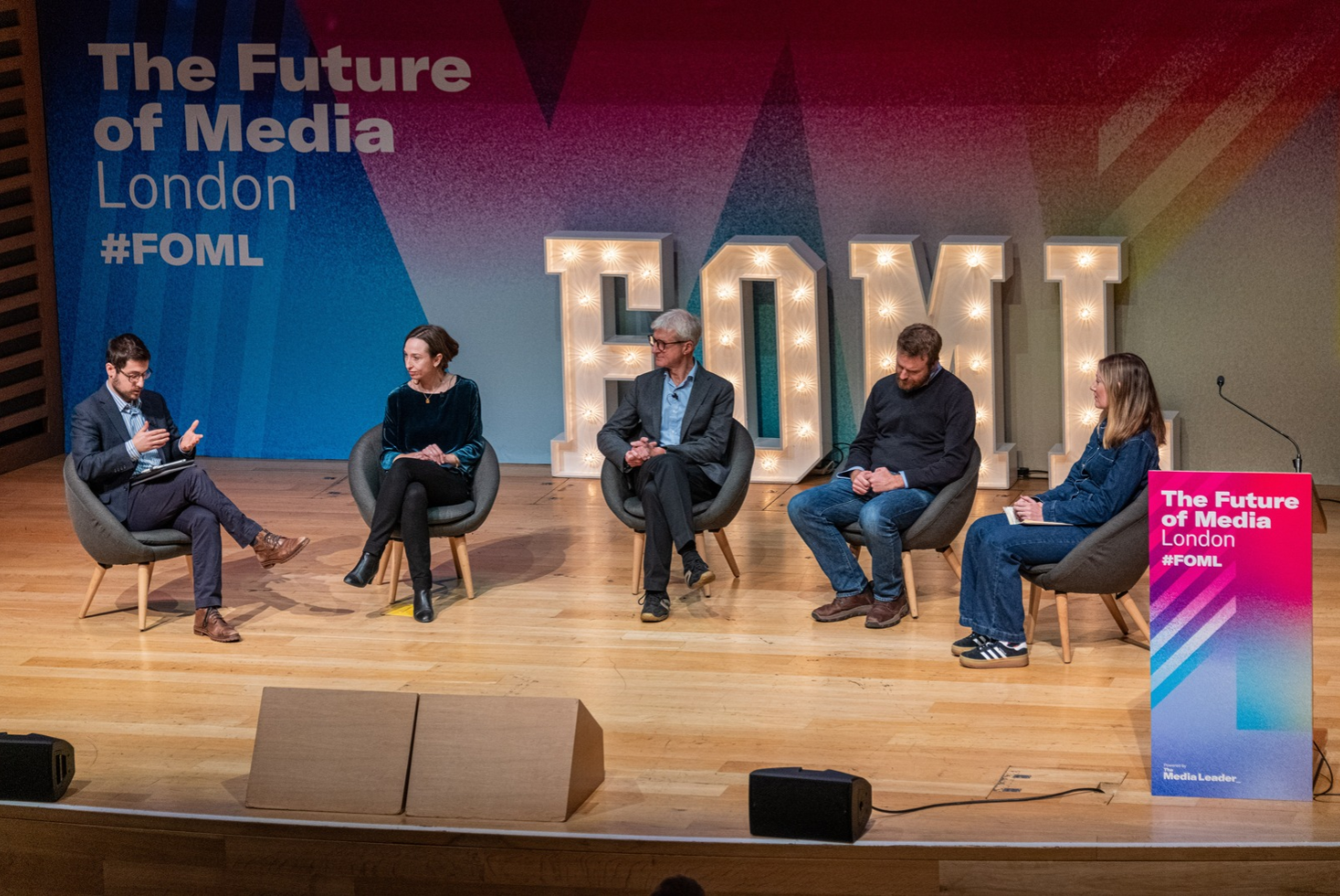

The Future of Media London 2026
At the inaugural Challenger Stage at this year’s Future of Media London, challenger brands, be they large or small and medium sized enterprises (SMEs), were advised to get crafty with media strategies to outsmart competitors with larger budgets.
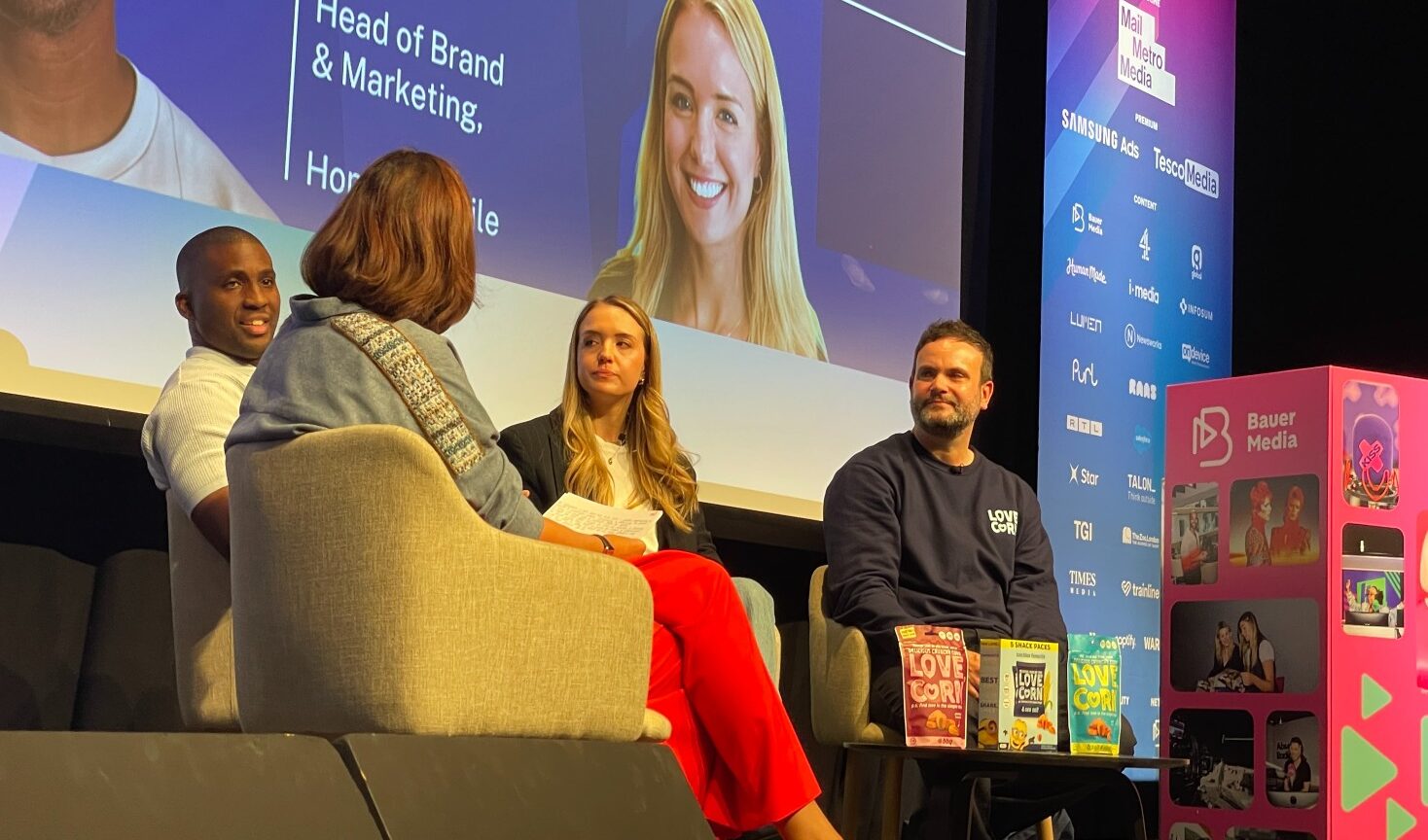
During a panel featuring founders and marketing leads from challenger brands Honest Mobile, Love Corn and Bamboo Bamboo and chaired by Craft Media’s Jen Jones, the brand leaders agreed that, while platform-based media investments have been primary drivers of growth for their businesses, savvy placements in traditional media can help challengers “act bigger than you are”.
“Seek out ways to borrow big brand media,” advised Sophia King, head of brand and marketing at phone carrier Honest Mobile. The brand made the jump from social to TV investment this year, helped by gifted media credits courtesy of Channel 4.
Advertising in TV, she described, has lent the brand greater credibility in the eyes of consumers and amplified continued investments in search and social media.
King acknowledged, however, that smaller brands that have grown used to platform dashboards reporting instant returns on adspend may struggle to embrace slower-to-measure media channels.
Still, Honest Mobile wasn’t the only brand of the day to recommend mass-market, above-the-line media. James Russell-Rands, offline performance marketing lead for challenger bank Tide, explained how he has invested heavily in the likes of OOH, direct mail and influencer marketing. Tide also was a top-20 TV spender during the Covid-19 pandemic, taking advantage of other brands’ reduced TV budgets during the time.
Such investment is supported in part because Tide in-houses its measurement efforts, working directly with traditional media owners to help understand how media is driving business outcomes.
At a recent roundtable hosted by The Media Leader in partnership with the Professional Publishers Association (PPA) under Chatham House Rule, agency strategists acknowledged that clients are constantly itching to spend with platforms like Meta, as they are addicted to keeping dashboards “constantly going green”.
King acknowledged Meta has been “far and away our biggest growth engine,” but also said it eventually became unsustainable to scale growth via its algorithmic systems without significantly increasing budget.
Joel Parkes, the co-founder and CEO of eco-friendly tableware brand Bamboo Bamboo went so far as to liken tech platforms like Meta and Amazon to “landlords”. When they “up the rent” by increasing prices, Parkes said, it prompts a reconsideration of whether the platforms are actually driving incremental growth and sufficiently working to build brand equity.
Parkes’ ultimate aim is for customers to “look for you by name,” rather than merely stumble across his brand via performance placements.
King advised challenger brands to test and refine messaging on performance channels until they are confident of the messaging’s effectiveness, then apply that message to big brand media channels like TV, print, OOH and audio that can provide scale more efficiently.
“If you’re a challenger and not making mistakes, you’re not thinking big enough,” King added.
How to persuade the boardroom?
The need to take calculated risks was a core theme throughout day, something that is echoed in The Underdog Advantage, a new book by JAA Media CEO Richard Temple and business consultant David Meikle.
But it was acknowledged that boardrooms are often risk-averse with media budgets, particularly if they are viewed as a cost to manage rather than as an investment with both short- and long-term ROI.
How to persuade the booard of a challenger brand to adopt a new full-funnel media strategy?
Julian Harcourt, marketing director at tour operator Cosmos, and Clare Arndell, media planning director at Join the Dots, shared four data-led steps they found were successful at convincing executives to embrace a change in strategy.
- Show the board market research data.
- Show the board first-party audience data.
- Show the board media spend data and how the brand compares to other competitors.
- Consider the needs of the leadership team, presenting risks and how they can be mitigated.
In Cosmos’ case, this led to a snowball effect, where data-led results proved the effectiveness of the campaign and led to further support from the board for increases in budget.