
Ofcom has blocked one of three proposed early launches of BBC spin-off stations and requested a full public interest test and regulatory process.
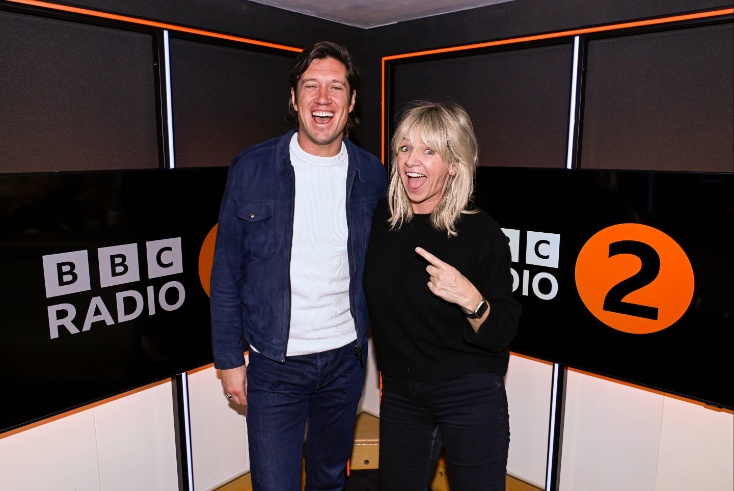
The BBC announced in February its intention to launch four “distinctive digital music stations” as extensions for Radio 1, 2 and 3. The move faced pushback from commercial radio players as “an attempt to directly imitate the recent success of commercial stations”.
Ofcom now requires the BBC to be subject to a full public interest test and regulatory process for its intended BBC Sounds launch of a Radio 2 “pop nostalgia” service.
Separately, the media regulator has allowed the new Radio 1 service covering the 2000s and Radio 3 “chill” station to proceed on BBC Sounds.
Commenting on Ofcom’s decision, Radiocentre CEO Matt Payton said: “This decision represents a significant shift by Ofcom, as it is the first time that it has accepted that an online-only BBC radio service could have a material impact on competition. This stands to reason, considering the rapid growth in online radio listening and the importance of online revenues.
“Obviously, we would have preferred to see all these new BBC services subject to a full public interest test and regulatory process. However, this is an encouraging first step. Hopefully, it signals a greater focus from Ofcom on BBC accountability and market impact, which is something we will also be seeking from the new government.”
Separate regulation
There are separate regulatory processes for streams on BBC Sounds and DAB+ stations.
BBC Sounds streams require the BBC to assess whether they constitute a “material change” that may have “a significant adverse impact on fair and effective competition”. Ofcom then reviews this assessment and decides whether it agrees.
If Ofcom agrees that there is a material change, the BBC will be subject to a public interest test.
DAB+ stations will be required to undertake a public interest test, followed by Ofcom’s competition assessment.
An Ofcom spokesperson told The Media Leader: “We will publish our decision in the coming days on whether the BBC’s plans require a public interest test.”