



Why individual identity is breaking through in sport and what it means for brands
Opinion
Sports stars’ self-expression opens the door to partnerships that feel additive rather than interruptive. But only when it’s an extension of peak performance, not a replacement, writes Mongoose’s COO.
Athletes are no longer known solely for their performances, but also their identity and influence after the whistle’s blown.
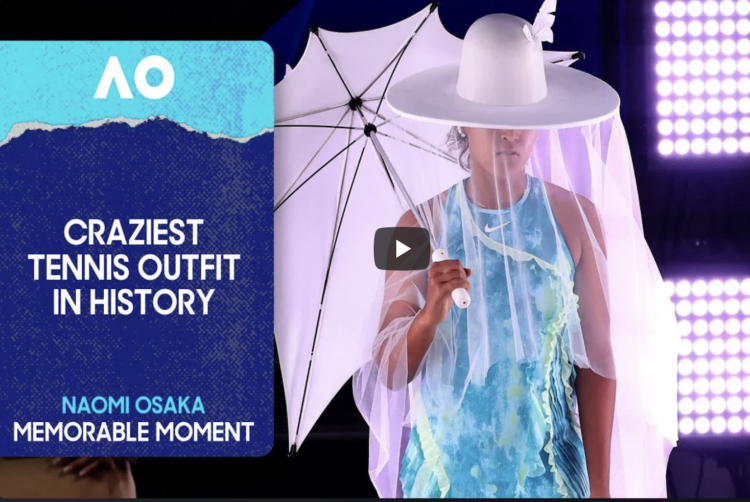
For example, what athletes wear has become a significant part of their personal brand. Naomi Osaka’s Australian Open look (pictured) sparked as much conversation as her tennis, highlighting how fashion now sits naturally within elite performance.
But what’s new is how this dynamic is emerging within traditionally team-first sports.
For instance, this year’s Winter Olympics and Paralympics (held in the fashion capital of the world, Milan) saw numerous countries partner with high-end fashion brands such as Ralph Lauren, Emporio Armani and Lululemon for their team apparel.
Similarly, rugby, which has historically prized conformity, has seen players like Henry Pollock reflect a broader shift in which individuality and self-expression are seen as signals of confidence and authenticity.
When did personality stop becoming a distraction?
For so long, having interests outside your respective sport was seen as a distraction. Take Emma Radacanu, who received criticism across the tabloids for the number of fashion and beauty sponsor events she attended following her 2021 US Open win.
This mindset has shifted, however. We’re now at a time when sport and culture overlap more than ever, allowing athletes to craft their own identities.
And while Naomi Osaka’s outfit may have been an overt version of this, it proves we should give athletes the ability to express themselves and feel comfortable in their appearance.
After all, most athletes are in their mid-twenties. They want to have fun and be themselves while performing to the highest standard. And who are we to judge them?
Building a personal brand allows them to take their career in any direction they like. As we’ve seen with the likes of Jill Scott, Peter Crouch and Danny Care, who started their media careers while playing, when athletes get it right, the brand value for their post-sport career can skyrocket.
Self-expression is naturally easier in individual sports, while team sports like rugby typically lag behind.
However, there has been a gradual shift from “no one player is bigger than the team” to the number of athletes growing the game via their personal platform – Joe Marler, Henry Pollock and Mario Itoje all spring to mind.
Primarily, social media is the driving force behind this, providing a window into those behind-the-scenes moments fans crave to understand how their idols live and train.
Governing bodies are also buying into this. Competitions such as The Hundred and the PGA Tour are allowing player personalities to shine through as they understand it will help grow fan advocacy and create a narrative beyond a matchday.
For brands, it opens the door to partnerships that feel additive rather than interruptive.
Instead of simply borrowing reach, brands can tap into an athlete’s passions, humour, style or social causes to build more authentic collaborations.
And as more athletes stand out, a new wave of brands is eager to invest not just in the game but in the personalities shaping its future.
Just be yourself
The caveat is that personal brand building is only effective when it’s an extension of performance on the pitch, not a replacement.
When performance dips, and athletes lean more into their brand, they can quickly be accused of losing focus. Instead, those who naturally integrate their identity as consistent self-expression are in a much better position than those who rely on attention-seeking stunts.
Just take a look at the Northampton Saints’ TikTok. Players are happy to shed their serious personalities and have some fun. Something probably unimaginable a decade or two ago. It will be interesting to see if this continues, having had a few weeks of poor performance on the pitch.
Once something appears manufactured, it invites criticism and accusations of harming team culture, but when expressed correctly, one player’s personality coming out usually allows others to shine, too.
The strongest teams have always been built on strong characters; we just weren’t typically exposed to them. Some lead on the pitch, some set training standards, while others may drive camaraderie behind the scenes.
From a commercial perspective, that range creates different partnership opportunities. One athlete might align with fashion, another with gaming, or another with grassroots participation. Instead of a single sponsorship narrative, brands can build layered ecosystems around a squad.
From a fan perspective, identity also creates depth
When supporters feel they know someone beyond their position or shirt number, the connection strengthens. You can see this clearly with the Red Roses, where the popularity of Hannah Botterman and Ellie Kildunne has given fans an entry point into the wider team story.
What this creates is a collective narrative built on individuality. A team full of stories rather than a single story that offers little more than just a rights package.
Of course, there’s a balance to strike. If individuality isn’t managed within a strong team culture, there’s a risk of fragmentation. As demonstrated infamously by Kobe Bryant and Shaquille O’Neal, competing personal brands can harm the team.
But when it’s done right, everyone benefits. Players with big personalities like Chloe Kelly can flourish, fans can feel more connected to the team as a whole, and brands can tap into an abundance of commercial avenues to ride on the coattails of success.
 Laura Owen is the COO and co-founder of Mongoose