





Ray Snoddy examines how responsible the journalists who wrote about Jason Arday were for his death.

30 Sep 2026 | Raymond Snoddy
There should be proper discussion about where BBC cuts should fall, rather than well-loved personalities and programmes simply disappearing without a trace.
Ray Snoddy heralds another journalistic investigation but finds The Times wanting in its reporting of the listener figures for its own radio station.
Martyn Ziegler’s exclusive, one of the most significant sports exclusives ever, has put an end to what many saw as an attempt to sell off the soul of football. Ray Snoddy explains.
Less-than-perfect press performances of late fade into nothingness compared with the greatest failure of the media in any age: the failure to communicate the existential threat of climate change.
Several ministers with experience as culture secretary are now in prominent positions in the new-look Government. Surely the future of the BBC is in good hands?
Is the planned split and the sale of the ITV broadcast and streaming business inevitable and a good thing? Ray Snoddy looks at the details.
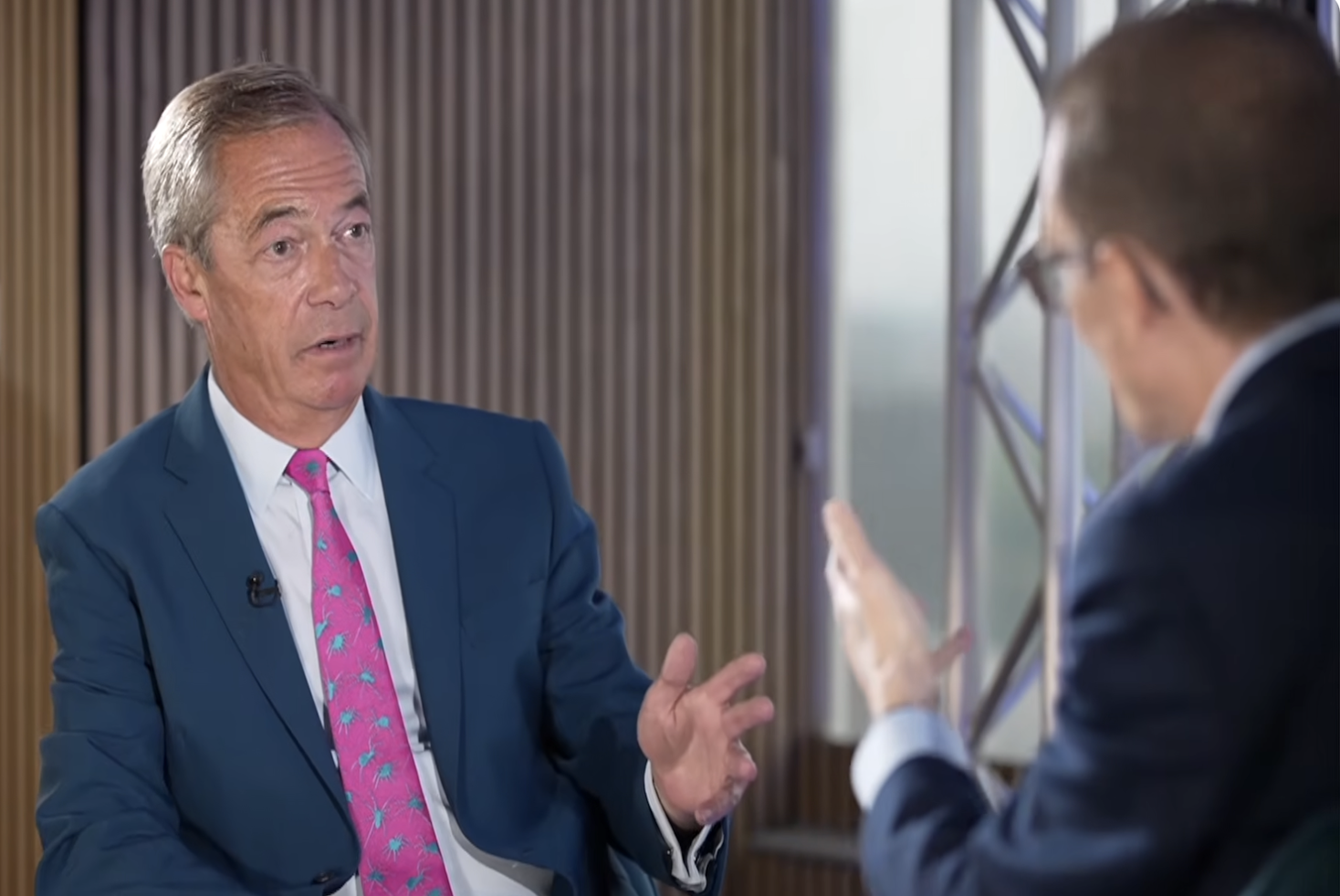
Nigel Farage may be at personal loggerheads with Sky News and Times Newspapers, but by potentially causing a tsunami of media interest in Reform UK, who knows where the biggest waves may land.
Long Wave radio is no more, and a transition from terrestrial broadcasting to internet-delivered TV is expected by 2034. If we are to embrace the future, we should preserve the past, writes Ray Snoddy.
What did for the PM was the lack of a defining story and the inability to articulate it to a public with little interest in the details of politics.
From a local to a global level, trust in news is in decline. The impact may be felt all the way to 10 Downing Street, writes Ray Snoddy.