




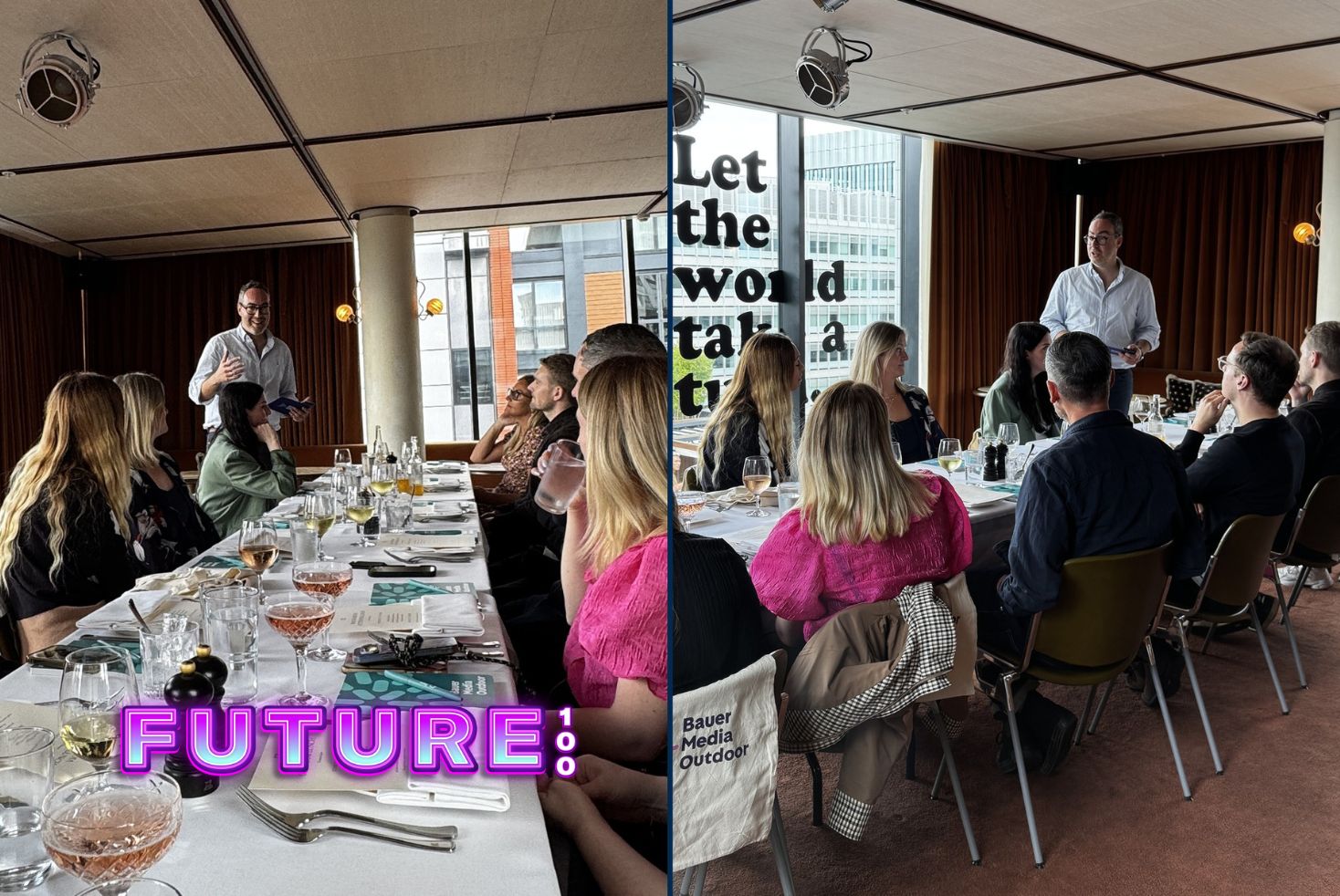
Media planning can feel like an elusive practice to those outside of agencies. In our ongoing series, Ocean Outdoor’s Dan Perry takes us through his daily routine.
23 Oct 2026 | Jack Benjamin and Charli West
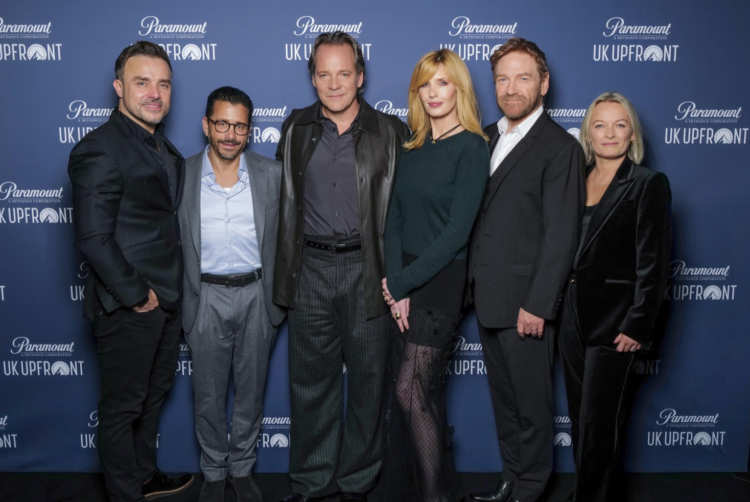
The Media Leader will be publishing news, highlights, and takeaways from media owners’ upfront events this autumn. Among the announcements, Amazon has joined Barb’s CFlight, Mail Metro Media has unveiled new branding, and Netflix made its UK upfront debut.
20 Oct 2026 | Andrew Gibson and Dafs Rhys Woodward
14 Oct 2026 | Charli West
More than a third of programmatic DOOH spend is now flowing through omni-channel DSPs, according to the World Out of Home Organization’s latest report.
Senior media owners on what agencies consistently get wrong when they’re planning, whether outcomes-based planning is making conversations better or worse and how AI is affecting planning today.
Lumen’s Mike Follett shares insights from its recent research with Global Street Art on how strong creative can earn more attention.
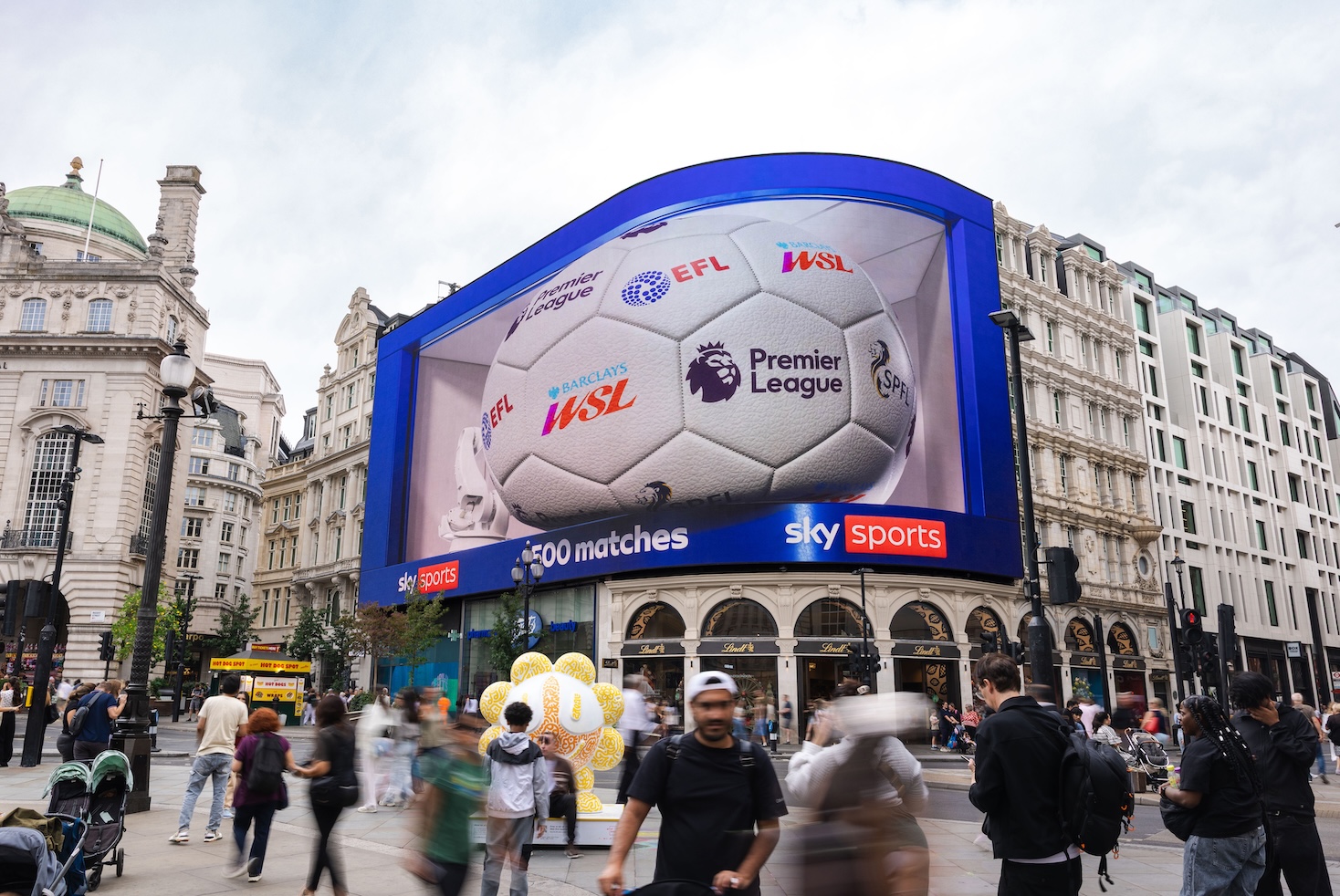
The changes will come into effect in January, with advertisers set to get three times as much domination time on the tourist hotspot.
Director at PwC, Andy Lobo, said DOOH H1 growth is ahead of the global growth of some of the major internet advertising platforms.
When OOH campaigns reach receptive audiences, run in attention-friendly environments, and are supported by transparent reporting, confidence will follow, writes Zoom Media’s MD.
The UK was the second fastest growing market for the media owner.
Speaking at an IAB UK event on 28 July, the panellists said that brands and agencies need to be upskilled on programmatic for the channel to continue to grow.
Burr Smith speaks to The Media Leader about why embracing change is essential for OOH’s future, how automation can unlock growth for the channel, and his main takeaways from the WOO annual summit in London last month.