






Last month Disney+ alerted customers of its updated Subscriber Agreement across Europe, falsely prompting claims that traditional commercial breaks could appear on Disney+’s ad-free tiers.

21 Oct 2026 | Elliott Millard
The CEO of the management firm behind The Sidemen has some opinions about TV. Trouble is, they’re rather misleading, argues Elliott Millard, Thinkbox CSO.
The UK digital ad market grew 13% year-on-year in H1 2026 to £21.6bn, according to IAB UK. The expenditure is greater than £5bn more than was spent on digital channels in all of 2020.
According to the study, teens also have high expectations of advertisers, with 60% saying they would stop using a brand if it ran a misleading ad.
Barb data seen by The Media Leader shows streaming giants’ top UK titles are dwarfed by PSBs in total audience reach, but reach isn’t everything to TV planners.
Analysis: By settling with US state attorneys general, Paramount’s path is clear to acquire Warner Bros Discovery. Has it created a conglomerate to rival the tech and streaming giants? Or will a decline in media plurality and high debt weigh on the new company’s ambitions?
Senior media owners on what agencies consistently get wrong when they’re planning, whether outcomes-based planning is making conversations better or worse and how AI is affecting planning today.
In the latest addition to Adwanted’s Media Pulse suite of reports, the UK SVOD market is examined from both the commercial perspective and the consumer view, taking in the power of good content, subscription models and the likelihood to cancel.
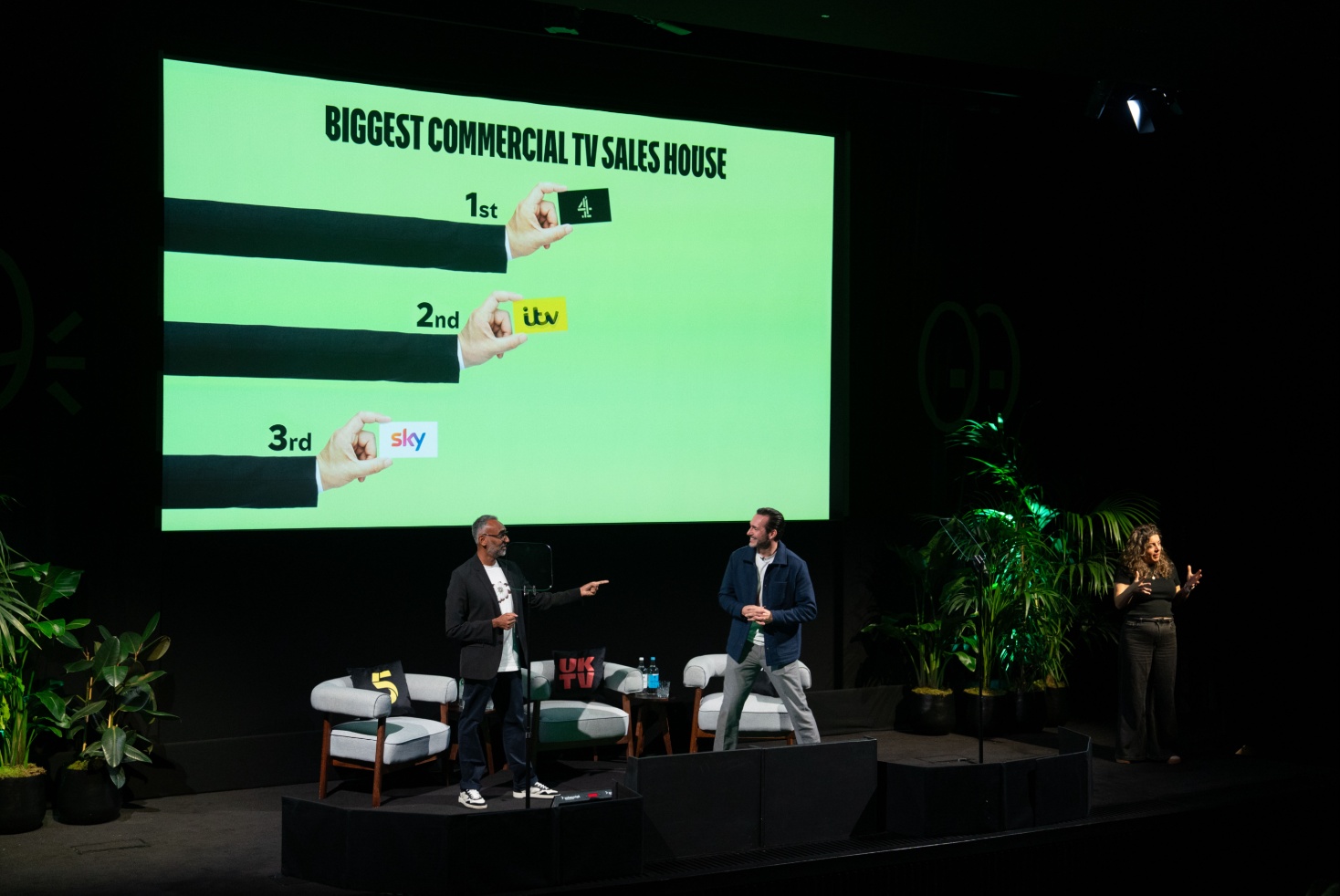
The partnership will take effect next year, and will be the first time advertising for both Channels 4 and 5 is handled under one roof.
Visitors to the Amsterdam expo can see live demonstrations of an end-to-end streaming workflow that uses only European technology, including European sovereign cloud infrastructure.
The broadcaster says the cuts will allow it to direct a greater proportion of revenues towards distinctive British content.