



Up for the cup: Which social ads won the Instagram attention battle
Lumen Research
The Media Leader has partnered with Lumen Research on a series analysing which social media ads garnered the most attention during a given cultural moment. For the second instalment: a selection of football-themed creatives on Instagram.
Amazon Prime and Emirates have produced the most attention-grabbing Instagram ads of the May football season, according to Lumen Research’s latest creative effectiveness study.
May is one of the most attention-rich months in the UK sporting calendar, with the FA Cup final last weekend, plus the Premier League finale and Champions League final in the coming days.
For advertisers, this means millions of viewers at home and in pubs will be glued to the screens in anticipation of the final results.
We analysed how football-themed creative performed in terms of real attention outcomes, measuring whether users meaningfully paused, looked and engaged with the ads.
1. Amazon Prime
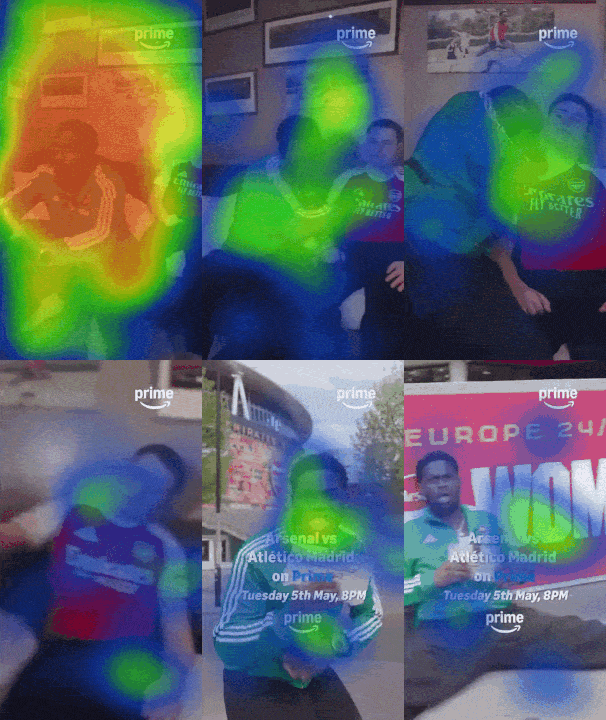
Results: Amazon Prime’s social-first creative delivered a massive 3,932 attentive seconds per 1,000 impressions, comfortably beating the 2,570 APM norm, and generated 48% prompted recall (32% norm). This proves that native content can drive elite engagement without losing brand linkage.
Insights: Adopting a creator-led, street-style interview format, Amazon Prime built anticipation for the Champions League semi-final by making it feel entirely native to the Instagram feed. Heatmapping shows that the conversational human interaction and upbeat energy sustained attention far above platform averages, while prominent on-screen branding ensured that nearly 1 in 2 viewers associated the excitement with the Prime service.
2. Emirates
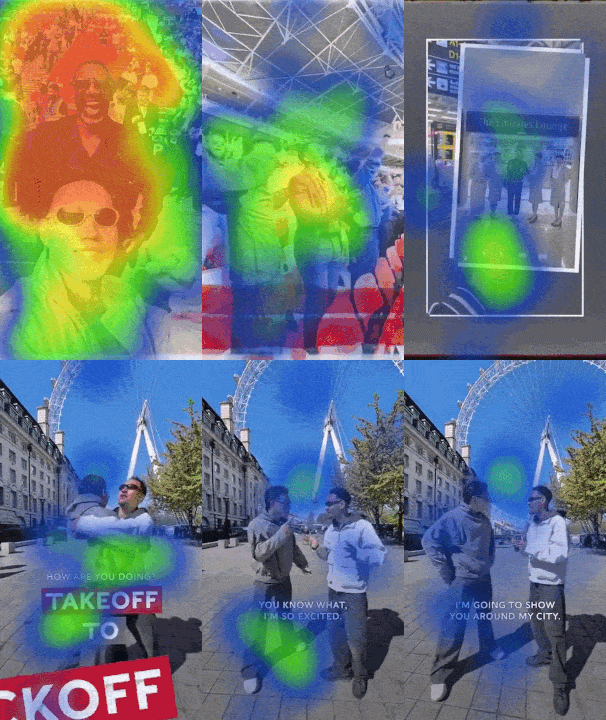
Results: 3,924 APM (norm: 2,570 APM); 32% prompted recall (norm: 32%).
Insights: This was a masterclass in long-form engagement. The longer 104-second vlog-style edit significantly outperformed the platform norm in terms of attention. By combining behind-the-scenes stadium access with authentic reactions, the creator-led storytelling sustained strong engagement throughout the video. However, this immersive focus on the experience slightly reduced brand prominence, resulting in brand recall that matched, rather than exceeded, the standard benchmark.
3. Pepsi
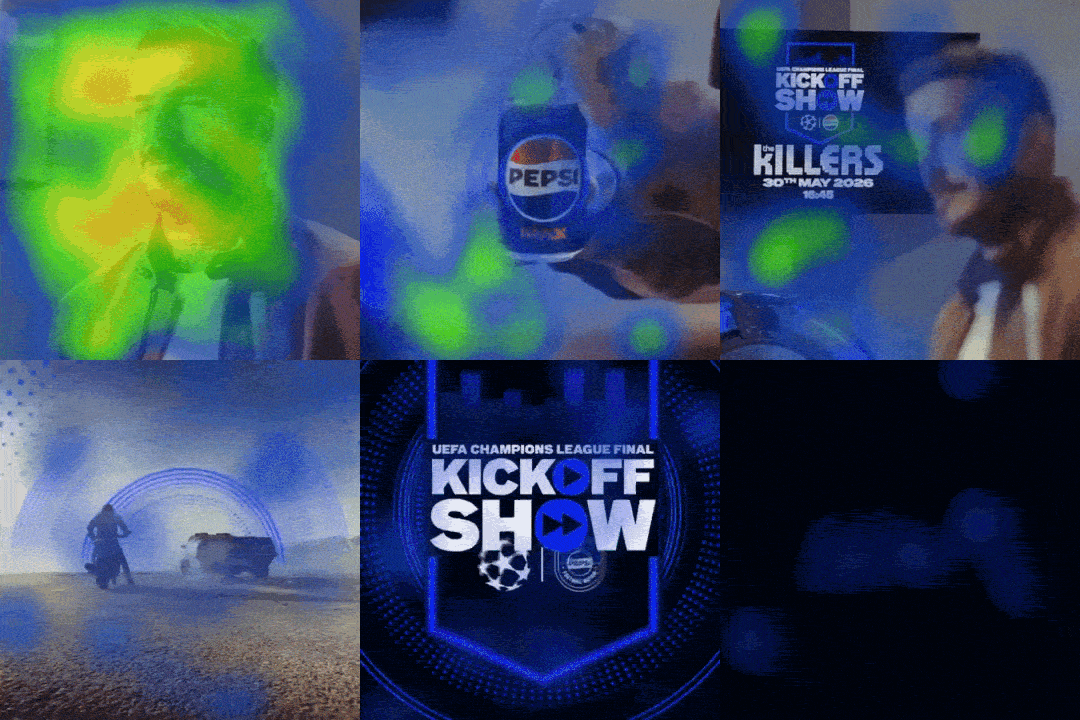
Results: 1,868 APM (norm: 2,570 APM); 44% prompted recall (norm: 32%).
Insights: Pepsi proved that you don’t need to dominate the clock to dominate the memory. Despite below-norm total attention, the ad’s product-led approach, featuring David Beckham and bold blue visuals, delivered a staggering 71% brand recall for those who watched for just 1.5 seconds. It’s a testament to the power of repeated, high-energy brand cues.
4. Heineken
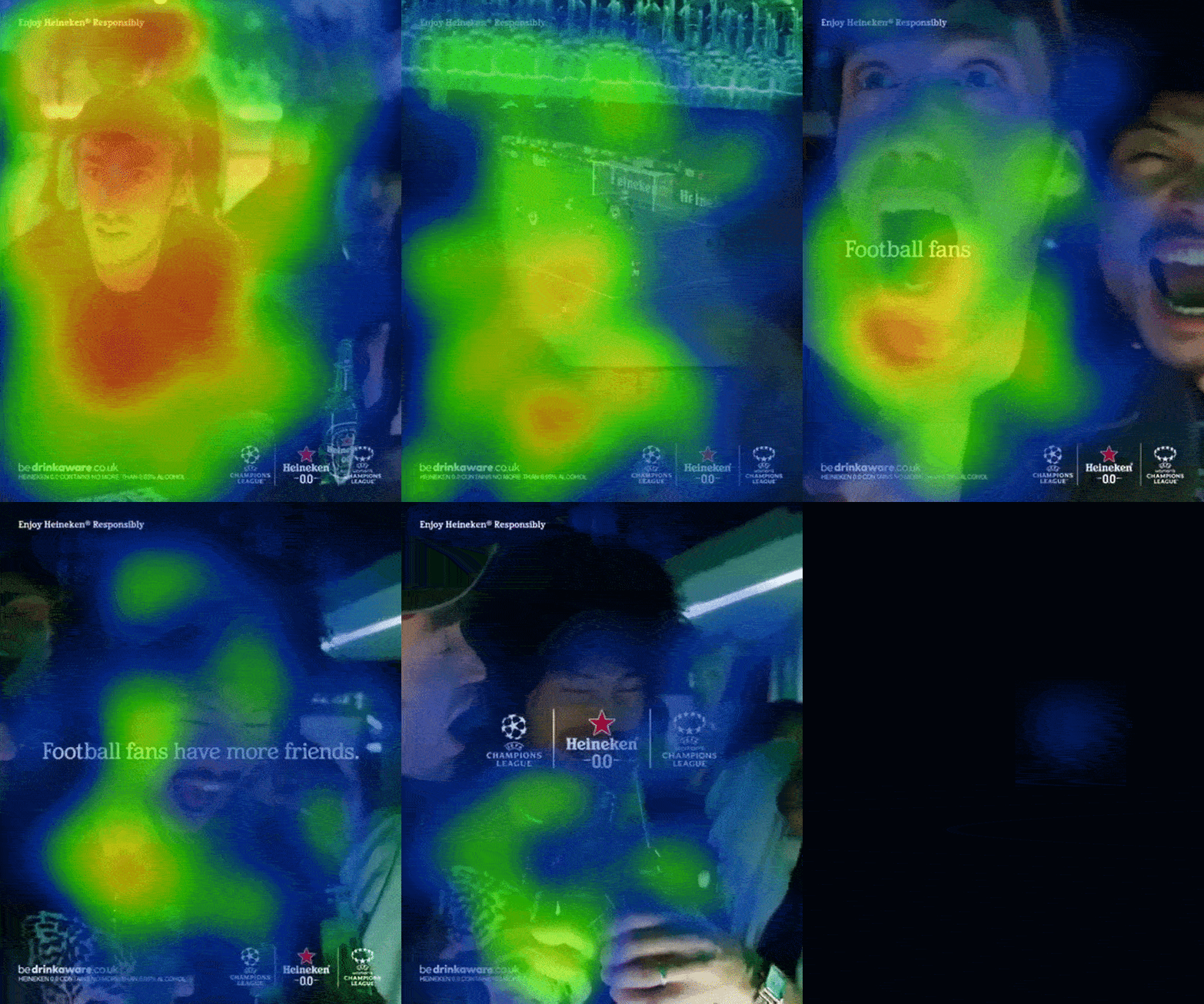
Results: 1,792 APM (norm: 2,570 APM); 43% prompted recall (norm: 32%).
Insights: Heineken captures the shared anticipation of a winning moment, bringing high-energy social atmosphere directly into the feed. By building tension before delivering a celebratory payoff, the ad keeps viewers emotionally and visually engaged. Despite overall attention falling below average, the consistent placement of bottle branding meant 1 in 2 participants could recall the brand within just 1.5 seconds, significantly higher than the Instagram norm.
5. JustPark
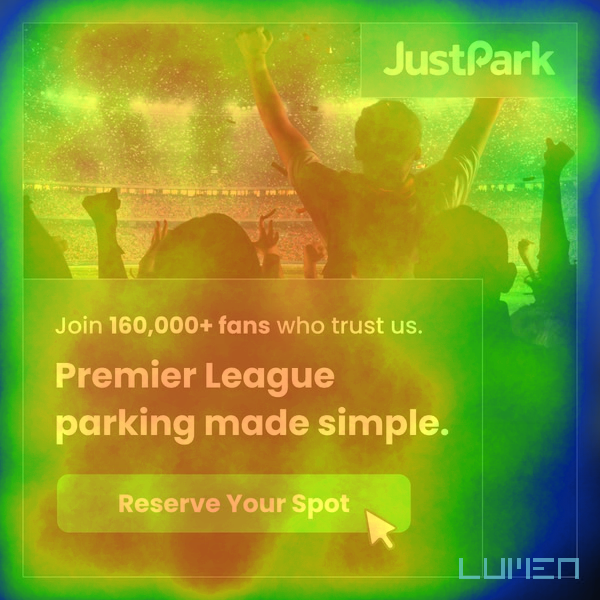
Results: 942 APM (norm: 1,501 APM); 21% prompted recall (norm: 21%).
Insights: This minimalist layout uses a crowd background for context. Legible messaging about trusting fans and simplified parking establishes credibility and ease. While the bold logo and green button provide a clear brand presence, consistent brand colours could further improve recall. Finally, human faces could build the emotional connection required to reach the optimal attention zone.
This study confirms three essential rules for social media success:
- Optimise for attention to increase positive brand outcomes, like recall.
- Ensure that branding is made as salient as possible to aid recall and brand engagement.
- Front-loading ads with branding ensures the majority see the brand, increasing recallability.
To find out more about Lumen Research, you can get in touch here.