



Media lessons from Mr 305
Opinion
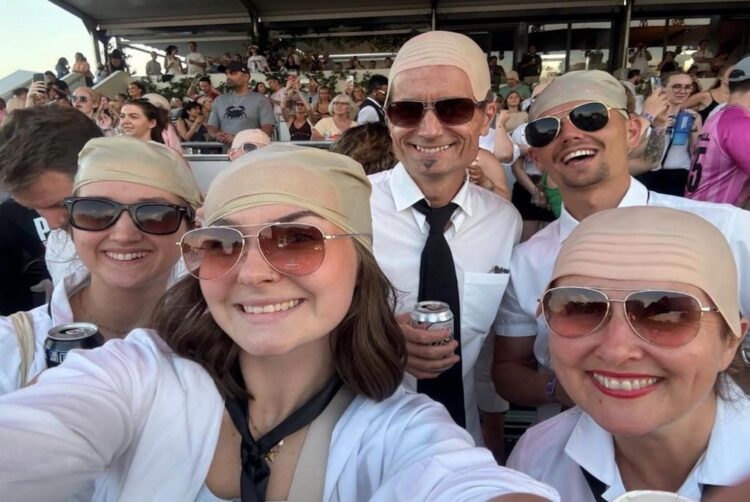
Differentiation is found in new spaces or where people are genuinely engaged and paying attention. Just ask 22,141 people wearing bald caps, white shirts and black ties for Pitbull, says David Wilding.
This summer, I went to see Pitbull in Hyde Park, and I’ve barely stopped talking about it since.
The concert was a genuine joy. The sense of camaraderie, fun and silliness was so good for the soul. We jumped, we danced, we sang, we laughed, we chuckled at his inspirational wisdom (“everyday above ground is a great day, remember that”). It was visceral. It was profound. It was very silly indeed. It was everything.
Oh, and – sorry to do this – it was a celebration of Pitbull’s distinctive assets.
Everywhere the eye could see were bald caps, white shirts, black ties and sunglasses. In fact, we set an official Guinness World Record that evening for the largest gathering of people wearing bald caps (22,141 according to the official counters)
Whose line is it anyway?
You might be relieved to know I didn’t make the “distinctive assets” point at the gig for fear of killing the vibe, but I did reflect on it the next day when looking at my TikTok For You page.
Tucked away among a lot of Pitbull videos from the night before (the algorithm doing what it does) was a video from Asda.
The video showed a watermelon rolling down the conveyor belt at a till, an Asda colleague stopping it with his hand and the camera panning up to show that person along with two other colleagues.
The reveal was that they were all wearing Asda uniforms, Pitbull bald caps, white shirts, and black ties, and miming along to “Fireball”. It was silly, playful, and funny, with very high engagement. It was a perfect fit for TikTok’s ‘dress code’. It had people at its heart. It was culturally relevant. 10/10, no notes.
Ok, some notes. Because here’s the thing. I told a little lie in the paragraph above. It wasn’t an Asda TikTok that I saw. It was Sainsbury’s. Everything else is exactly as I described it.
You can see it here for yourself.
Does it matter that it could so easily have been either brand (or indeed several others)? It’s still achieved its goal of being seen and engaged with. It’s a success in immediately measurable ways. And it’s only a TikTok video. It’s not that deep.
But it’s not too hard to see the problem here. The video was ‘borrowing’ its distinctiveness from Pitbull. And it wasn’t remotely differentiated. Because if you could just replace the Sainsbury’s colleagues with Asda colleagues and get the same result, then how could it be?
Sea of sameness
You don’t need me to tell you that, in recent years, more brands have shifted large parts of their media spend to tech platforms, social feeds, and algorithmic media.
Similar strategies, similar behaviours in similar channels using the same algorithm.
But while we’ve all been busy doing that, we’ve seen a collapse in brand differentiation.
WPP’s brand analytics platform data show that the number of “highly differentiated” brands has rapidly declined in recent years. It doesn’t take a genius to connect the dots.
We’ve been focusing on being distinctive (and, of course, this matters hugely), but in doing so have neglected differentiation, accelerating its decline through our media choices.
This matters because differentiation helps brands stand apart from competitors rather than just look different from them. Highly differentiated brands will often build margin and value more quickly than their competitors.
I’ve talked about Pitbull’s distinctive assets, but they’re only relevant because he’s different to other performers. It’s not either/or; it’s both.
How media can help regain lost differentiation
Media planners chasing differentiation should start by looking in places different from everyone else. The algorithm encourages more of the same, and that’s a very hard place to be different.
That’s not to say it’s impossible to create differentiation in a feed (tip of the hat to Currys), but the features of the feed make it so much harder to do, and if you’re honest with yourself, you’re probably not doing it.
Differentiation is much more likely to be found in new spaces or where people are genuinely engaged and paying attention. Look there first.
Secondly, measure it. Platforms provide us with an overwhelming number of immediate metrics, and we can spend all our energy optimising those, but they don’t generally tell us if we’re doing things differently to our competition. If that matters (spoiler: it does), find a way to measure it.
Finally, work at it. Jet2’s differentiation didn’t happen overnight. It took years of turning up in the right place and reinforcing the same message. If you’re jumping on the same trends as everyone else, you’re unlikely to become your own trend.
As a very wise man once said: “Patience, passion and perseverance = success”
(ok, yes, that was Pitbull. I told you he was good).
 David Wilding is EVP strategy at WPP Media and writes a monthly column for The Media Leader.