



News brands: The beating heart of the FIFA World Cup
Opinion
News brands have done England proud with their FIFA World Cup coverage. Newsworks’ Rupert Smith takes a look at the highlights.
As the dust begins to settle on England’s impressive FIFA World Cup run — that final was in touching distance — one thing has become increasingly clear. News brands have not simply reported on the tournament. They have been helping audiences experience it. To understand it. To feel it. (And boy, do we feel it right now).
From the pre-tournament build-up to that first whistle, the early Scottish and Cape Verde heroics to last week’s painful semi-final defeat against our old foes Argentina (no hand of God this time around, just a player touched by God), news brands have been at the heart of the action, bringing all the drama to life across every imaginable format.
This tournament has felt different. And not just because it has been the biggest tournament in the game’s history. But because it has unfolded as a World Cup when digital felt truly part of the experience — whether following live late at night or checking first thing in the morning.
Today’s audiences move seamlessly between platforms, formats and devices, and news brands have been there with them for every twist and turn.
The depth, breadth and original storytelling on display have been remarkable.
At its heart has been well-considered, crafted and creative journalism. The Independent took readers inside Thomas Tuchel’s halftime team talk during England’s opening game, the Mirror followed the story of England’s stolen kit, and the Daily Star captured Erling Haaland’s defence of friend Jude Bellingham after England’s victory over Norway.
Alongside this now sits an entirely new layer of rich tournament coverage. Podcasts such as The Guardian‘s ‘World Cup Daily’, The Times‘ ‘The Game’, Reach’s ‘All Out Football’ and the Daily Mail‘s ‘It’s All Kicking Off!’ have extended the conversation far beyond the final whistle.
Then there’s news brands’ social feeds, where the emotion and atmosphere of the tournament were brought to life in real time. Reels and TikToks have transported audiences from stadiums to fan zones, from dressing-room speculation to celebrations in the streets.
Video has become equally important. News brands are innovating and finding fresh ways to engage audiences wherever they choose to spend their time. From The Telegraph wiring Francis Dearnley up to medical equipment before watching England in a pub, to the Daily Mail delivering fast-turnaround explainers around the tournament’s biggest talking points, publishers are proving that trusted journalism is thriving in every format.
Audiences have lapped it up. They responded. In their droves.
As England progressed to the semi-finals, engagement numbers swelled — whether they were readers, viewers or listeners.
England’s quarter-final victory over Norway delivered the tournament’s biggest weekend, while the week as a whole saw football readership hit 12.8m people and 77m page views (massive thanks to our friends at Ozone for access to their digital audience data).
Fans were consuming match reports and tactical analysis, following live updates as games unfolded and engaging with wider stories around the tournament. In other words, audiences have been turning to news brands for the full cultural experience of the FIFA World Cup.
That is what makes news brands so powerful. They connect stories, audiences and moments, taking fans from a long-form feature to a podcast, from a live blog to an Instagram Reel, from breaking news to cultural commentary, all within environments built on trust.
Advertiser opportunities
For advertisers, this creates extraordinary opportunities. At a time when audience attention is fragmented, news brands provide something increasingly valuable: scale, engagement, and credibility, with all the drama of the FIFA World Cup wrapped up in one place.
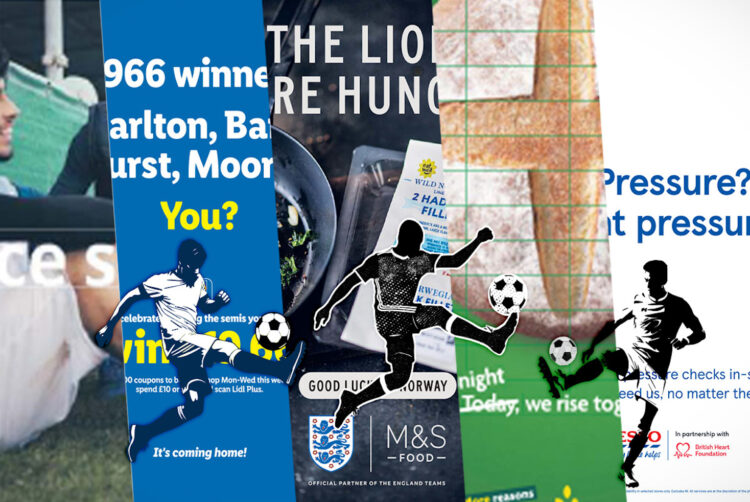
From reactive executions that respond to on-pitch drama to creative campaigns that tap into the wider cultural conversation surrounding the tournament, advertisers have used news brands to be part of the moments that matter. Our World Cup ads gallery showcases just some of these examples.
The FIFA World Cup has become a powerful demonstration of how modern news brands operate: dynamic, innovative and relentlessly audience-focused.
News brands are not simply the beating heart of the FIFA World Cup. They are the beating heart of culture itself. That’s why news environments provide brands with the perfect stage on which to perform.
Like the England team, news brands have done us proud this tournament and have shown why more brands should want to play there.
 Rupert Smith is director of communications at Newsworks