



The difference between showing up and being welcome
Opinion – Cannes Lions preview
There’s a level beyond reach, one where brands create a genuine connection that people remember and welcome. It takes more effort and more creative risk, but it’s worth it. Amazon Ads’ Kate McCagg will be looking out for it at Cannes Lions.
Cannes Lions arrives this year in the middle of a World Cup summer. Brands are everywhere — on screens, in feeds, wrapped around stadiums — and the sheer volume of brand activity around a moment like this raises the question I keep coming back to ahead of the festival: the industry has solved how to reach people, but do those people care once you have their attention?
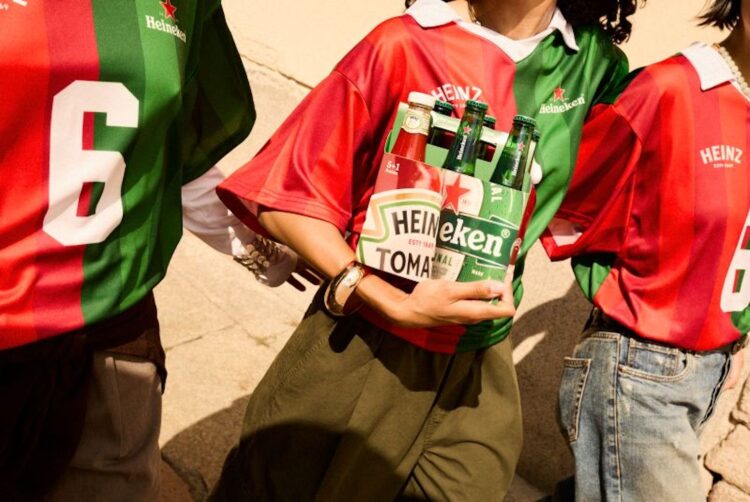
I saw Heinz and Heineken do something small and brilliant ahead of the football tournament. No new product, no elaborate activation. Just a six-pack with the sixth bottle swapped for a Heinz ketchup, a pun about “the match we’ve all been waiting for,” and a collab social post.
Two things that already live in the same fridge, photographed together. It works because it doesn’t try too hard, and it earns a smile because it feels like it belongs in the moment rather than interrupting it.
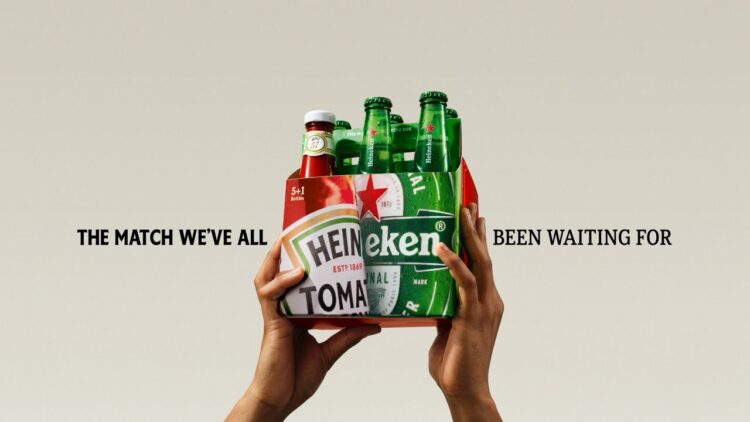
That’s the distinction I’ll be thinking about at the Croisette next week: the difference between a brand that shows up next to something interesting and one that contributes to it.
From proximity to participation
Brands have unprecedented access to cultural moments right now — live sports, creators, music, entertainment — and the infrastructure exists to reach almost anyone, almost anywhere.
Reaching the right audience matters, and it always will. But there’s another level beyond reach, one where brands create a genuine connection that people remember and welcome. It takes more effort and more creative risk, but it’s worth it.
The test I keep coming back to is whether a brand campaign or partnership is additive to the experience, something that enhances the moment for the viewer, the listener, the fan, or whether it’s something people scroll past or tune out.
When a brand goes deeper, it becomes part of what people showed up for. That’s harder to do, but it builds something longer lasting.
Consider what happened with SharkNinja’s ChillPill at Coachella this year. A portable cooling device launched in partnership with Justin Bieber’s SKYLRK brand, dropped in a custom “desert heat” colourway right as fans were baking in 90-degree temperatures.
It wasn’t an ad — it was a product people genuinely needed in that moment, wrapped in a cultural collaboration that made it something they wanted to show off. Fans were clipping them to bags, sharing them on social media, and treating them as part of the festival experience rather than something separate from it. The brand didn’t sponsor Coachella from the outside. It became part of what made being there better.
Or look at P&G’s approach to the Olympics. Rather than simply plastering logos around venues, it set up a Champions Clubhouse inside the Olympic Village itself — offering athletes free grooming and self-care services from brands like Gillette, Venus, and Head & Shoulders.
It transformed a sponsorship into active participation, showing up in a way that genuinely served the people at the heart of the moment rather than just borrowing their spotlight.
In streaming entertainment, Liquid I.V. recently partnered with Prime Video’s Off Campus — a series based on a hugely popular BookTok novel with a built-in, passionate fanbase. The brand was integrated into the show itself, creating custom content featuring the lead actors in character that extended the story fans were already invested in rather than interrupting it. The fandom didn’t just tolerate it; they welcomed it, because it gave them more of what they came for.
The question I want Cannes to ask
What these examples share is that the brands invested in genuine connection – not only reaching the right audience, but understanding what that audience actually cared about and finding a way to enhance it rather than extract from it.
Audiences can tell the difference, and they reward it. They’re craving authenticity, real connection, and content they can actively shape. The brands that invest in creating those moments build something that compounds over time.
This is what I’d like to see more of the Cannes conversation devoted to. Not just “how do we reach this audience?” but “would this audience be glad we showed up?”
It’s a harder question, one that requires more creative ambition, more cultural sensitivity, and more willingness to let the moment shape the work rather than the other way around. It takes more effort, but the brands willing to do that work are the ones building long-term value.
In a World Cup summer, with the Croisette about to fill up with brands making their case for cultural relevance, I’m looking forward to seeing which ones are going deeper — creating moments people genuinely welcome rather than simply tolerate.
I know which conversations I’ll be seeking out.
 Kate McCagg is the global head of Amazon Ads Brand Innovation Lab