



Why advertising needs to think like a blockbuster film
Opinion
Audiences no longer judge an advert against another advert; they compare it with everything else they watch. That’s raised the bar for creativity, quality, and storytelling, writes Brian LaBrec.
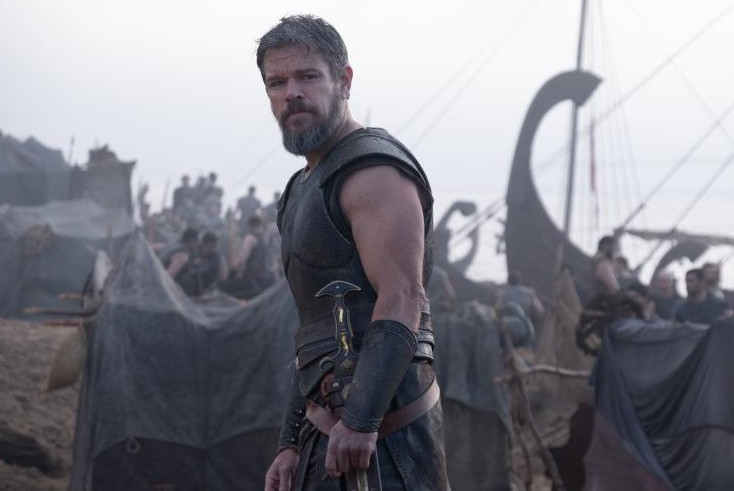
Today’s audiences are surrounded by blockbuster visuals, from the sweeping vistas of Christopher Nolan’s The Odyssey to Super Bowl campaigns inspired by the classic black-and-white films of yesteryear; cinematic content is available everywhere.
Seeing these worlds arrive to audiences is a favourite part of my role, and as I’ve spent more time behind the scenes, I’ve also seen a growing convergence between film production and the advertising industry.
In addition to scanning superheroes and spaceships for the next feature-length blockbuster, I increasingly find myself managing projects for brands and ad agencies, capturing talent likenesses and environments for high-end advertising campaigns, all rooted in cinematic ambition.
From where I sit, premium advertising today competes for attention alongside films, streaming, and social media. Audiences no longer judge an advert against another advert; they compare it with everything else they watch. That’s raised the bar for creativity, quality, and storytelling, and it’s bringing advertising and cinema closer together than ever.
Realism, authenticity, and visual credibility
And it’s clear why. 92% of audiences want to see storytelling in their advertisements, and filmmaking elements bring these storytelling campaigns to life as audiences gravitate to campaigns that place realism, authenticity, and visual credibility at the centre.
Both industries are trying to solve the same problem: audience attention, which has become harder to earn as audiences are fragmented across channels and devices. As audiences seek entertainment in the film, TV, and short-form video content they consume, they expect the same from their favourite advertisements.
The benefit for brands is that serving this audience doesn’t stop at entertainment. Entertaining advertising also creates opportunities to build brand equity by aligning high-end storytelling and production quality with a premium brand.
Believability matters across all advertising mediums, from short-form reels to brand campaigns that resemble a short film.
Fictional or otherwise, audiences need to connect with what’s on screen; as Budweiser showed in this year’s celebrated American Icons campaign, consumers gain brand affinity with believable characters and subjects.
For decades, film production has focused on entertaining audiences by making on-screen content believable, engaging, and easy to empathise with, even when those characters and locations exist at the depths of oceans or the vast reaches of space! These same production techniques and mindsets can be applied to brands as creative visual ambition continues to grow.
Today’s audience has grown a lot in terms of audience literacy, and anything that feels inauthentic, rushed, or lacks credibility is instantly noticed. As a result, brands with creative ambition and budgets have started using the same production disciplines as those of films, and with the latest developments in VFX and tech, it only gets better.
Creating lasting impact
That said, I don’t mean all campaigns have to look like blockbuster movies; it’s about recognising that audiences reward quality, originality, and authenticity, whether they are watching a movie or a 30-second advert. The real focus should be on creating lasting impact.
Whether you’re a VFX pro or a brand strategist, there’s a shared opportunity here to service this increasing audience demand with advertisements that gain attention and sit even with their silver screen counterparts. It’s about ensuring that audiences feel transported and deeply engaged in the content they consume.
Academics have proposed several theories that highlight the power of storytelling in boosting engagement and immersion – Narrative Transportation Theory is just one example of many. But the simpler fact is, when audiences believe what they see on screen, they’re more likely to be engaged, moved, and emotionally invested; all qualities that can inspire one to take action.
It’s no surprise then that audience attention is at its peak in the pre-roll ads while sitting in a cinema, the perfect environment for watching a story unfold.
In a feature film, every visual decision, from planning and capture through to post-production, is considered as part of a larger creative vision. These production standards now largely influence how premium advertising is approached, especially for brands investing in campaigns designed to live across multiple channels and build long-term brand recall.
A cinematic mindset should also extend beyond IMAXs, multiplexes, and the blockbuster budgets required to bring these campaigns to life! Cinematic production techniques, workflow advances, and capture technologies are becoming more commercially accessible as vendors with a history in film production expand their services into more verticals. This means brands can focus on storytelling, brand strategy, and campaign narrative, while filmmakers ensure the visuals match the creative vision.
Today, a brand campaign is rarely just one commercial. It lives across streaming, social media, digital, retail and countless other touchpoints, often for months or even years. That makes long-term value more important than ever. It’s also where advertising can learn from filmmaking. Rather than treating each advert as a one-off production, brands are beginning to think more like filmmakers, viewing production not simply as creating one advert but as the foundation for an entire content ecosystem.
Ultimately, as premium advertising and film production continue to converge, we’re seeing more collaboration across talent, technology, and production workflows, with skills and methods moving more freely between film and advertising.
The future of premium advertising will be shaped by the production standards, creative discipline and collaborative thinking that can capture audience imagination. Let’s make unbelievable campaigns from the believable.
 Brian LaBrec is the US head of capture at Clear Angle Studios