



‘Why not’ is the most powerful question brands can build into campaigns to fuel growth
Opinion
Tracking brand sentiment uncovers conversion obstacles that brands can use to become super relevant to cohorts waiting to be convinced.
The relevance versus reach debate has been rumbling for years, but as brands weigh the pros and cons of each approach, they’re missing a fundamental point. Relevance has become mere table stakes. To grow their customer bases, companies and their media execs need to move on and embrace ‘super relevance’.
It’s no longer enough to have a message and an idea of whom you want to reach. This may have been considered a targeted approach when the benefits of digital marketing were first being explored. Now that the field has matured, media execs know several problems all too well.
Brand communications are never received in isolation. Consumers have past experiences with a company and its products that influence how they receive messaging. Often, brands are simply unlucky and reach people who aren’t currently in the market for a particular product.
When they do reach someone who is a potential customer and ready to buy, those past interactions will have formed trust and pricing perceptions that need to be addressed. These can vary from one cohort to another and from one geography to another.
Asking the why not questions
To get to the bottom of these issues, brands must stop only telling people ‘why’ they should buy their product and instead listen to and address the ‘why not’ reasons that are blocking the path to conversion.
Rather than constantly telling them you’re the best, switching attention to brand sentiment tracking reveals what customers truly think and shows what the barriers are. That insight is incredibly useful.
By using tracking wisely and building in those ‘why not’ reasons for not purchasing, brands can start asking questions some may fear posing. It may feel uncomfortable, but it’s worth finding out why you are reaching a target audience but still not influencing behaviour.
We find the reasons behind conversion obstacles can vary. For some, the challenge might be that it’s too expensive compared to their generally preferred option. For others, it might be a lack of features or concerns about performance or quality. Poor service in the past often features in tracking studies.
One interesting pattern we’re seeing is that these views are shared by cohorts from similar demographics, and they can appear in some geographic areas but not others.
Once you know a customer group you’re trying to reach in a particular area has a perception problem around price or, say, performance, campaigns can then address their concerns head-on.
For example, Unilever wanted to increase use of liquid laundry detergent in the Philippines. It didn’t just run a generic ad boasting about its own performance. Instead, it conducted research showing people traditionally used laundry powder, and to get them to switch, it needed to reach three groups: bargain hunters, sceptics, and laggards. Unilever targeted these cohorts with video adverts relevant to each group’s concerns about cost or performance. The result was a 30% lift in sales during the campaign month, with sales up 50% the following year compared to the previous year.
Add context for super relevance
Asking the ‘why not’ questions and getting the right ad to the right cohort is a big step forward. Getting that message seen within the right setting at the right time is even better.
This extra layer of context helps move people seamlessly to the next stage of the purchase journey because it makes the choice feel natural. Tapping into context can also mean running campaigns around cultural events, such as the FIFA World Cup, or reaching someone when they are likely to be in a receptive frame of mind.
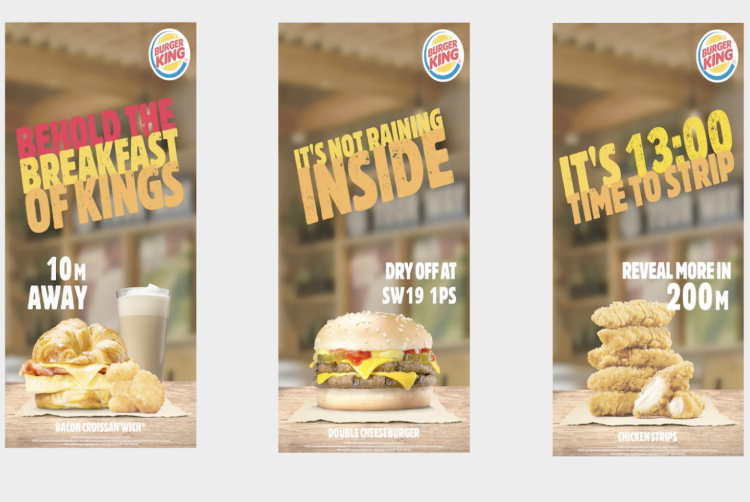
Adding this layer of context empowers brands to target cohorts with messaging that uses outside data to make messaging super relevant. Burger King, for example, prompted a 6% rise in sales by using outdoor digital screens to showcase breakfast, lunch and dinner offers at the relevant time of day, with directions to the nearest restaurant.
A recent Adidas outdoor campaign targeted commuters with suggestions for clothing and sports shoes suited to current weather conditions.
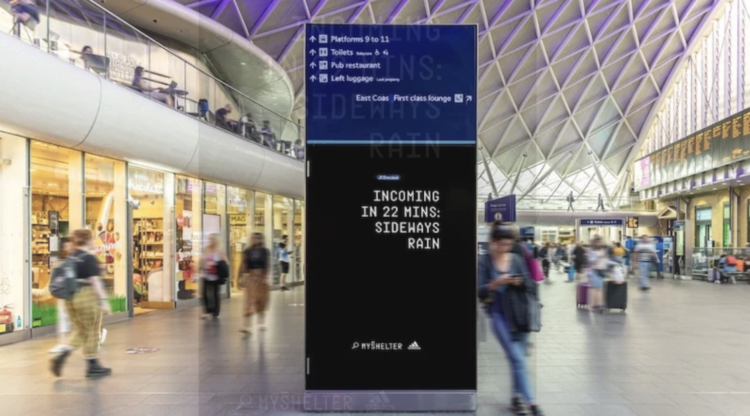
Uber did the same in Brazil using weather triggers to remind passengers that when temperatures soared, an air-conditioned ride was just a click away.
Measuring success
As with any listening exercise, switching from telling to building a two-way dialogue brings multiple benefits.
Campaign metrics will show improvements in footfall, sales and recall. Brand sentiment tracking also adds the insight to assess wider brand impact. This can be done by running qualitative panels with people exposed to the super relevant campaign and those who have not.
We’re finding brands get great results when they understand which barriers they need to overcome to move consumers from awareness to consideration and preference.
Using sentiment tracking to inform a campaign and then measure its impact is a virtuous circle. It tells the brand which obstacles to address and then feeds back on progress. Meanwhile, sentiment tracking reveals which obstacles to tackle next, so the improvement process continues.
It’s the brands that are committed to continually asking these challenging questions and then addressing the answers that we find are delivering encouraging growth.
It all starts with an acceptance that conventional relevance is simply not enough. A deeper connection to customers is needed to build super relevance that meets customers where they are, not where the brand hopes to find them.
 Helen Brown is the strategy director at Hall & Partners