



The implications of TV OS market fragmentation on TV and advertising
Analysis – The Future of TV: Global Series
Omdia’s Maria Rua Aguete and David Tett write that TV brands are increasingly prioritising advertising revenue over hardware sales. As emerging TV OS platforms gain traction, the implications for advertisers are significant.
The television industry is undergoing a profound transformation, driven by the fragmentation of TV operating systems (TV OS). This shift is reshaping the competitive dynamics for manufacturers, advertisers, and streaming platforms alike.
As emerging TV OS platforms gain traction, the implications for advertisers seeking premium placements within streaming and connected TV (CTV) environments are significant.
The rise of TV OS fragmentation
Omdia’s latest research highlights that newer TV operating systems are forecast to capture 30% of the European market by 2030, up from 21% in 2025.
This rapid growth underscores how TV brands are increasingly prioritising advertising revenue from TV OS platforms over traditional hardware sales. Platforms like VIDAA, Titan OS, and TiVo are leading this charge, challenging established players like Google TV.
These independent operating systems share a common philosophy: empowering TV manufacturers with revenue-sharing models that allow them to earn from home-screen ads and FAST (Free Ad-Supported TV) channels long after the initial hardware sale.
This approach is particularly appealing in Europe, where slim hardware margins and rising memory prices have made cost-effective solutions essential.
Challenges and opportunities for advertisers
For advertisers, the fragmentation of TV OS platforms presents both challenges and opportunities.
On one hand, the diversity of platforms enables more targeted advertising strategies, leveraging the unique user data and capabilities of each OS. On the other hand, it complicates the process of reaching audiences at scale.
Advertisers must navigate a patchwork of ecosystems, each with its own standards, metrics, and ad formats.
Premium streaming and CTV environments are particularly affected. Advertisers seeking placements within these spaces must contend with varying levels of access to inventory, differing audience measurement tools, and inconsistent ad delivery mechanisms.
This fragmentation can lead to inefficiencies and higher costs, as campaigns must be tailored to multiple platforms rather than a unified standard.
The impact on the TV market
The fragmentation of TV OS platforms is also reshaping the broader TV market. Manufacturers are increasingly leveraging their proprietary operating systems to differentiate their products and build brand loyalty.
This strategy is driving innovation, with features like personalised content recommendations, integrated smart home controls, and enhanced gaming experiences becoming standard.
However, it also raises questions about interoperability and consumer choice.
As manufacturers prioritise their own ecosystems, the risk of vendor lock-in grows, potentially limiting the ability of consumers to access content across platforms.
This could lead to a bifurcation of the market, where consumers must choose between competing ecosystems rather than enjoying seamless access to content.
The European perspective
In Europe, platforms like Titan OS and TiVo are gaining traction by focusing on local content integration and user experience.
Titan OS, being European-built, and TiVo have focused heavily on integrating local European broadcasters into a unified homepage. This content-first approach resonates with traditional European viewing habits and provides advertisers with a more cohesive platform for reaching audiences.
Omdia’s research projects that Europe will reach an inflection point in 2028, when combined shipments of VIDAA, Titan OS, and TiVo reach 12.4 million units.
By 2030, VIDAA alone is expected to account for 7.5 million units in Europe, reflecting its rapid expansion and growing influence.
Collaboration as the path forward
To address the challenges of fragmentation, collaboration between TV OS providers, advertisers, and content creators is essential.
Standardising metrics and ad formats across platforms could help reduce inefficiencies and improve the scalability of advertising campaigns.
Additionally, partnerships between manufacturers and streaming platforms could enhance interoperability, ensuring that consumers can access content regardless of the operating system they choose.
Omdia’s research suggests that the future of the TV OS market will be defined by the balance between competition and collaboration. While fragmentation is likely to persist, efforts to create a more cohesive ecosystem could unlock new opportunities for growth and innovation.
Conclusion
The fragmentation of TV OS platforms is reshaping the television industry. Stakeholders must navigate this complex landscape with a focus on collaboration and innovation.
By leveraging the unique strengths of each platform while working towards greater interoperability, the industry can ensure that the benefits of fragmentation outweigh the drawbacks.
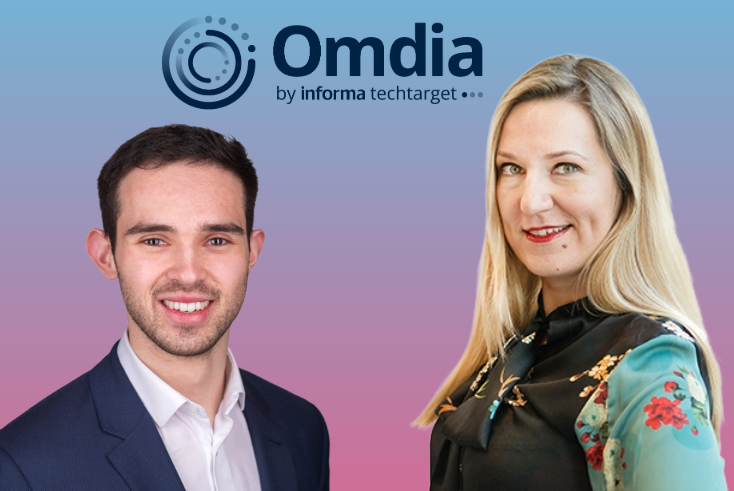
Written by Maria Rua Aguete (above, right), senior research director at Omdia, and David Tett (also pictured), principal analyst at Omdia.