



What is a podcast? Six specialists have their say
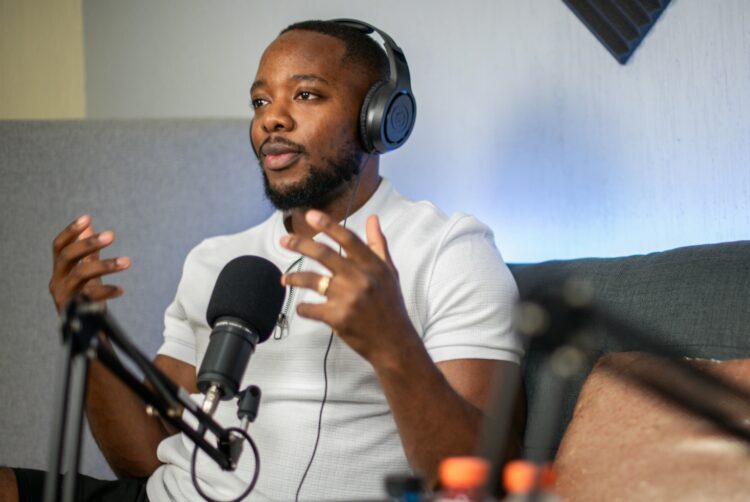
Podcasting is transforming at a rapid pace. Once defined by audio-only content, the medium has expanded into a whole ecosystem encompassing video, live events and communities.
As these formats become increasingly integral to the podcast experience, the industry’s definition of what constitutes a podcast is becoming less clear.
To kick off a three-part series examining the future of podcasting, The Media Leader speaks to industry leaders about the opportunities and challenges facing this evolving channel.
Contributors include:
- Stuart Last, CEO of Audioboom
- Greg Glenday, CEO of Acast
- Ed Washington, head of digital strategy at Reach Studio
- Bryan Barletta, partner at Sounds Profitable and president of Podcast Movement
- Dan Box, head of podcasts at The Times and The Sunday Times
- Lucie Cave, chief creative officer of podcasts and commercial content at Bauer Media Group
What defines a ‘podcast’ now that the medium has heavily migrated towards video content?
The podcast is the anchor. The ecosystem is the business
Greg Glenday, Acast: “At its core, a podcast is defined by the intimate, host-driven relationship it creates with the audience. It’s conversational, long-form, and completely flexible. It simply takes the shape of whatever format the audience prefers – whether that’s audio listened to at the gym or video watched on the morning commute.”
Dan Box, The Times and The Sunday Times: “What defines a podcast is its informality and authenticity. A good podcast should feel like the conversation with your friends in the pub, that’s so engaging you just want to lean into it. That’s true whatever the format – audio, video, social, live show or all of those at once.
“The shift to video production has forced us to question the fundamental value of audio though. What we’re starting to realise is that audio still does things video cannot. It’s an intensely personal medium – you listen mostly on your own; just you and the person talking at that moment. We’ve seen that people typically listen to the audio version of our shows for much longer than they watch the video version. So it’s a hugely engaging medium, for both the audience and for advertisers.
“And I still don’t think there is a more powerful way of doing journalism than by podcast. We’ve seen it in reporting that has gone out in text, video and audio – often it’s the audio that people talk about after. The simple power of hearing someone describe something that happened to them in their own words, so you can hear the emotion, and it feels like you are the only person listening. Nothing else can do that.
“So the shift to video podcasting is important, and is driving our audience growth like nothing else, but at the same time it has actually convinced me of the power of audio all along.”
Lucie Cave, Bauer Media: “I think definition matters less than the behaviour. A podcast earns a place in somebody’s life – it creates habit and loyalty – people actively miss it when it disappears.
“Video has fundamentally changed the landscape, mostly for the better. It’s improved discovery massively and opened podcasting up to audiences who might never have deliberately searched for an audio show.
“But framing this as audio versus video misses the point. Someone might discover a clip on TikTok, watch full interviews on YouTube, listen while walking the dog, then engage through live events or community. The podcast is the anchor. The ecosystem is the business.”
With successful podcasts moving to community platforms via live events, subscriptions and extensions, has it become integral to a podcast’s success, and is that likely to continue?
Community building has shifted from a nice-to-have to a genuine differentiator
Stuart Last, Audioboom: “Absolutely. One of podcasting’s biggest strengths is the depth of creator loyalty and audience attention it generates. People spend hours every week with podcast hosts, often in very personal listening environments, so the relationship becomes incredibly strong.
“That naturally creates opportunities beyond advertising alone, whether that’s live events, memberships, premium content, merchandise or wider brand extensions.
“More broadly, it also taps into this idea that as the world becomes more and more digital, humans are craving real connection and community – either online or off. In an increasingly fragmented media landscape, podcasts often help to give audiences a sense of belonging.
“Today’s podcasts are consumed across multiple formats and platforms – audio, YouTube, TV, clips on TikTok and so on and this means audiences either want a sense of real belonging – through memberships, subscriptions etc. or to feel the same experience in the ‘real world’ too through live events. I think this is something that we will see to grow even more over the next few years.”
Bryan Barletta, Sounds Profitable: “Community is one of the most important growth and retention drivers in modern podcasting, and that trend will likely continue accelerating.
“As media becomes more fragmented and algorithmically personalised, audiences are increasingly gravitating toward creators, shows, and communities that give them a stronger sense of identity and belonging.
“That’s especially true among younger audiences and where the future of all media is headed. Research shows up to 90% of Gen Alpha and Gen Z participate in niche fandoms and highly individualised interest communities. What’s most interesting though is that in many cases, two people within the same friend group may consume entirely different ecosystems of content.
“That behaviour creates a major opportunity for podcasting because podcasts naturally lend themselves to long-form engagement, recurring relationships, and community formation. The strongest podcast brands today increasingly function less like standalone shows and more like community-driven media ecosystems.
“That’s also where podcasting has a competitive advantage over many forms of passive media. Podcasts create unusually high levels of intimacy and trust because audiences spend extended and consistent time with their favorite hosts. That relationship often translates naturally into deeper fandom, higher retention, and stronger willingness to engage beyond the episode itself.”
Ed Washington, Reach Studio: “Community building has shifted from nice-to-have to a genuine differentiator, particularly for personality-driven shows competing in crowded categories. The economics are also driving this. Ad revenue concentrates at the top, pushing mid-tier shows toward hybrid models, live events, subscriptions, merchandise. We’ve focused on this recently as we look to go beyond advertising.
“Community isn’t universally essential, however. Informational and news-focused podcasts can thrive. This applies to conversational formats where social connection is the product. That said, as discovery shifts to social platforms, hosts with genuine audience relationships have defensible advantages against algorithm changes and platform dependency. Community becomes both the monetisation strategy and competitive advantage.”
For more insights into the podcast market, Adwanted Consulting has released its updated Media Pulse: Podcasts report, examining the UK podcast market from both the commercial perspective and the consumer view.