



When it comes to the attention debate, enough is enough

Opinion
The most difficult task for any planner is buying precisely enough attention to achieve the desired result – and not a second more. Lumen’s Mike Follett explores the objective of ‘enough’.
One of the most enjoyable moments at Cannes this year was watching two exceptionally intelligent people disagree with each other using remarkably similar evidence.
On one side stood Adrian Adaramoye of TikTok, arguing for the power of “Lots of Littles” — the proposition that brand memories can be built through the accumulation of many small, attentive moments, driven by a myriad of influencers.
On the other side stood Les Binet, of, well, Les Binet fame, defending a “Go Big or Go Home” philosophy rooted in the importance of scale, fame and memory-building reach. The discussion was ably moderated by Mel Arrow, CEO of McCann London.
The intellectual quality of the debate was unusually high, which is another way of saying that everybody left with their original opinions only slightly modified.
What made the occasion particularly gratifying was that both sides were drawing upon work that has emerged from the attention community.
The Havas, Lumen, and Brand Metrics research on Aggregate Attention supports Adaramoye’s contention that there’s more to brand building than TV advertising.
Binet quoted from Dentsu’s Brand Reset Report, citing the need for significant chunks of attention to drive meaningful shifts in brand outcomes.
For those of us who have spent years arguing that attention matters, there was something deeply satisfying about seeing attention become the common language through which serious disagreements are now conducted.
And yet I found myself wondering whether the debate contained a hidden assumption.
Both sides appeared to be answering the question: how should advertisers buy attention?
But perhaps the more important question is:
How much attention should advertisers buy?
Suppose I ask how much water is required to fill a bath. One person recommends a bucket. Another a hosepipe. A third advocates repeated journeys carrying small containers from the kitchen sink. We can have a lively debate about methods, but the bath remains stubbornly indifferent. The tub is full when it is full.
The same may be true of advertising.
Adaramoye is surely right that memories can be built through accumulation. Small attentive exposures add up. Attention accumulates. A memory formed through twenty single-second exposures is still a memory.
But accumulation is a method, not an objective.
Equally, Binet is right to warn against thinking too small. Brands are not built through timidity. The history of marketing is littered with organisations that became so obsessed with efficiency that they efficiently disappeared. Scale matters. Fame matters. Salience matters.
But scale is also a method, not an objective.
The objective is ‘enough‘
Enough attention to create memory. Enough memory to influence behaviour. Enough behaviour to generate growth.
Once we recognise this, the apparent contradiction dissolves. “Lots of Littles” and “Go Big or Go Home” are not competing theories of effectiveness. They are competing theories about the most efficient route towards the same destination.
This sounds less exciting than it really is.
Indeed, “achieving sufficient aggregate attention to drive action within a fixed budget over a defined period” sounds less like a Cannes presentation than a paragraph extracted from a Victorian sewerage report.
But that is only because we have become accustomed to confusing excitement with extravagance.
There is nothing inherently clever about buying the most attention. More and bigger ads mean more and better attention, but also more expensive bills for the client to pay at the end of the campaign.
They say that the road of excess leads to the palace of wisdom – but you still have to explain yourself to the CFO on the way. The genuinely difficult task is buying precisely enough attention to achieve the desired result – and not a second more.
The modern media planner sits before an absurd cornucopia of possibilities: television, social, online video, outdoor, audio, search, content creators, retail media. Our media cup overfloweth.
The challenge is not deciding whether these things work. The challenge is deciding which – and in which combination – is most likely to deliver the required outcome for the available budget within the available time.
This is why I have always liked Neil Borden’s idea of the “media mix”, inspired by the Manhattan bartenders who made his favourite cocktails in the 1950s.
Nowadays they are known as “mixologists”. The word “mix” implies judgement, proportion, balance. It suggests that different ingredients possess distinct qualities and that value emerges not from any single ingredient but from the relationships among them.
The same question sits at the heart of every media plan. How much reach? How much frequency? How much video? How much search? The answer is almost never “more”. It is almost always “enough”.
Far from ending the debate, the doctrine of ‘enough’ elevates it. Once we stop arguing about whether attention matters and start asking how best to acquire sufficient attention, we move from ideology to planning.
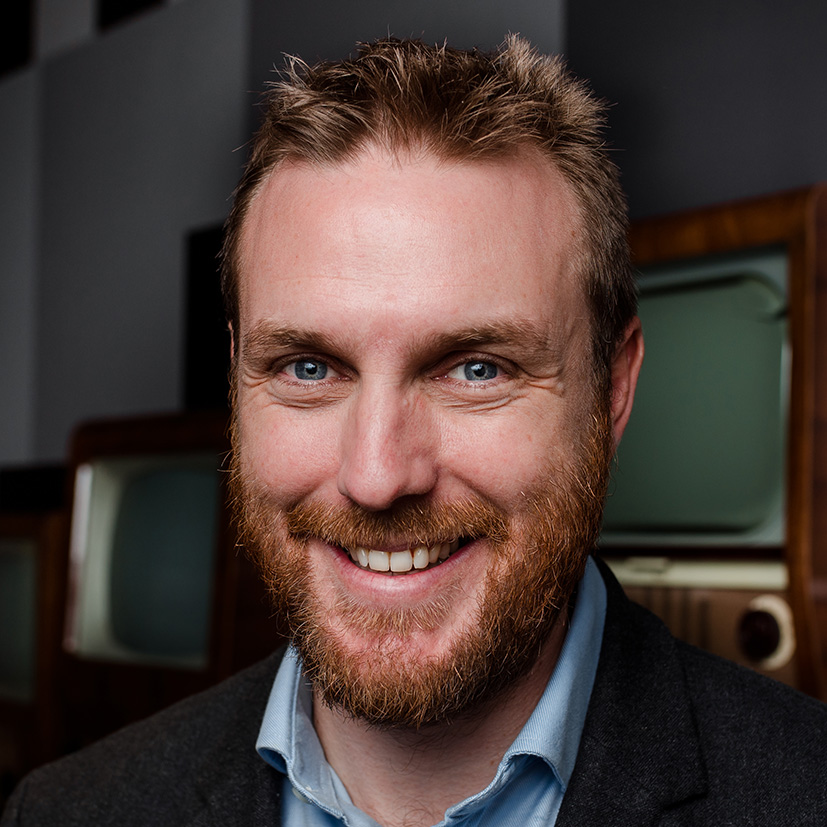 Mike Follett is the founder and CEO of Lumen Research.