



Campaign success depends on cultural relevance, say Media Business Course speakers
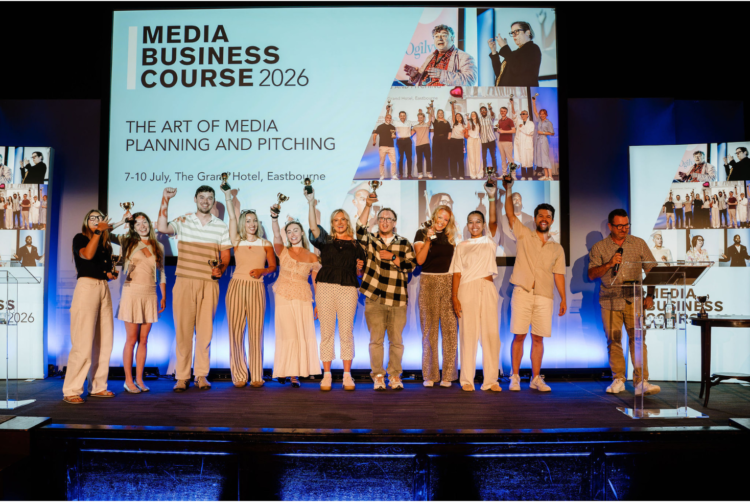
There was one key thread running through day two of the Media Business Course (MBC) on 8 July: brands must be culturally relevant if they want to succeed.
Run by the Advertising Association, the MBC returned to the Grand Hotel in Eastbourne from 7-10 July, bringing together mid-level industry professionals for a chance to further develop their expertise in media planning and pitching.
Founded in 1964, the course mirrors a media landscape that has changed beyond recognition. Rachel McClenahan, sales director for agency & client at JCDecaux UK, reflected on taking the course herself in 2005, joking that attendees then had only “four or five channels” to consider. Today’s delegates face a far more fragmented and complex media ecosystem.
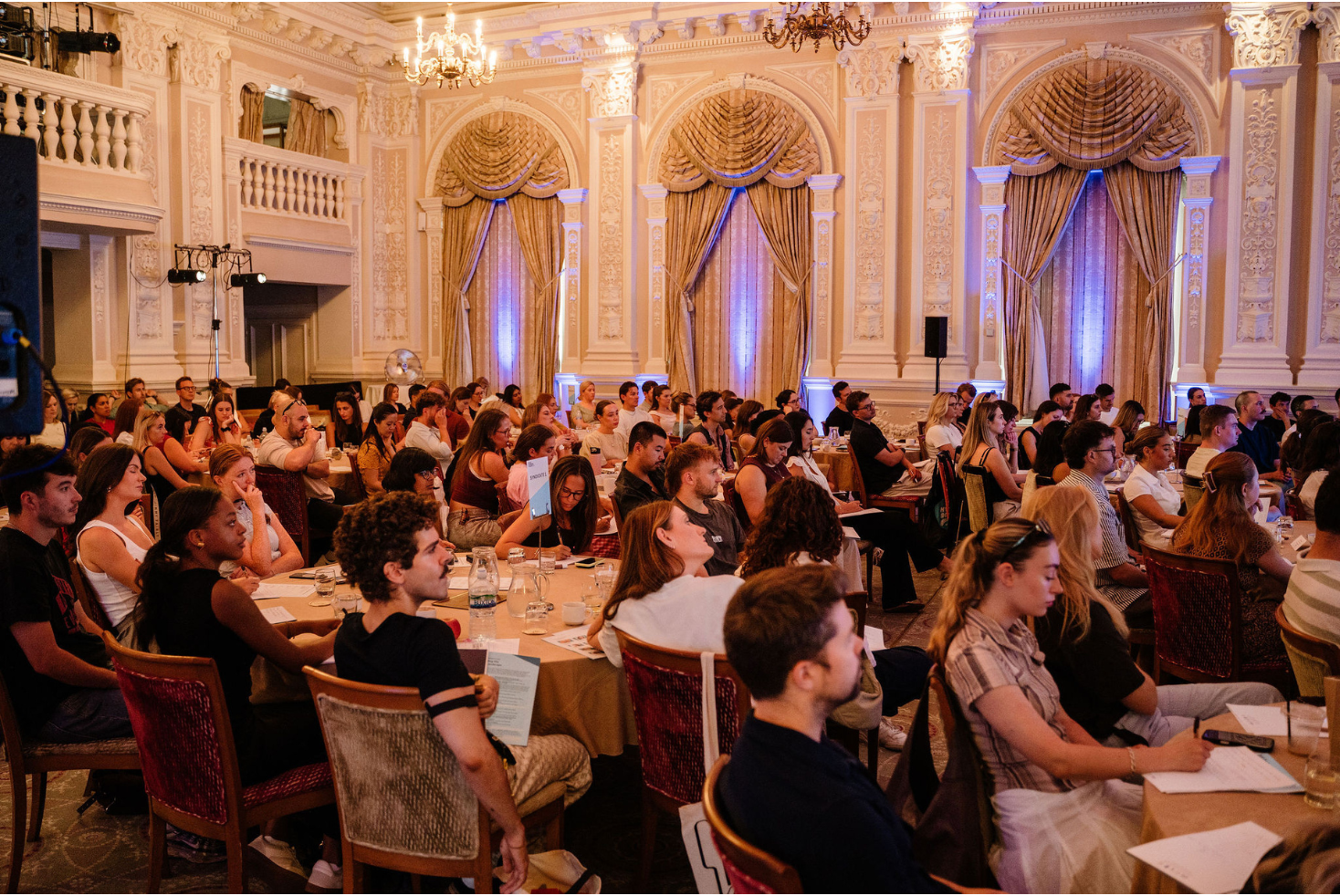
Delegates spent the week developing responses to a brief from The National Lottery aimed at engaging Gen Z. The Media Leader attended day two of the course, where representatives from across the media landscape outlined the role their respective channels can play in modern media planning.
What does ‘culturally relevant’ actually mean?
For many of the speakers, the phrase ‘culturally relevant’ has become quite elusive and is often misunderstood by brands to be synonymous with chasing viral trends.
Elliott Millard, chief strategy officer at Thinkbox, argued that marketers too often confuse virality with genuine cultural significance.
To illustrate the point, Millard referenced the ‘Japanese cheesecake’ trend: a dessert combining Greek yoghurt with crumbled Biscoff that generated 750m social media views globally. He noted that it’s easy to get “distracted” by such big numbers, but contrasted its Google search data with interest in the television series Rivals, which attracted a much larger and more sustained level of public attention.
“It is substantially more interesting,” he argued, suggesting brands should focus less on fleeting internet moments and more on cultural phenomena that can last.
The distinction between trends and culture was echoed by Imogen Coles, Ogilvy’s head of influence for EMEA, during her session on influencer marketing.
Creators, she argued, “hold the keys to culture”, giving brands the opportunity to build genuine cultural relevance rather than simply accumulate impressions.
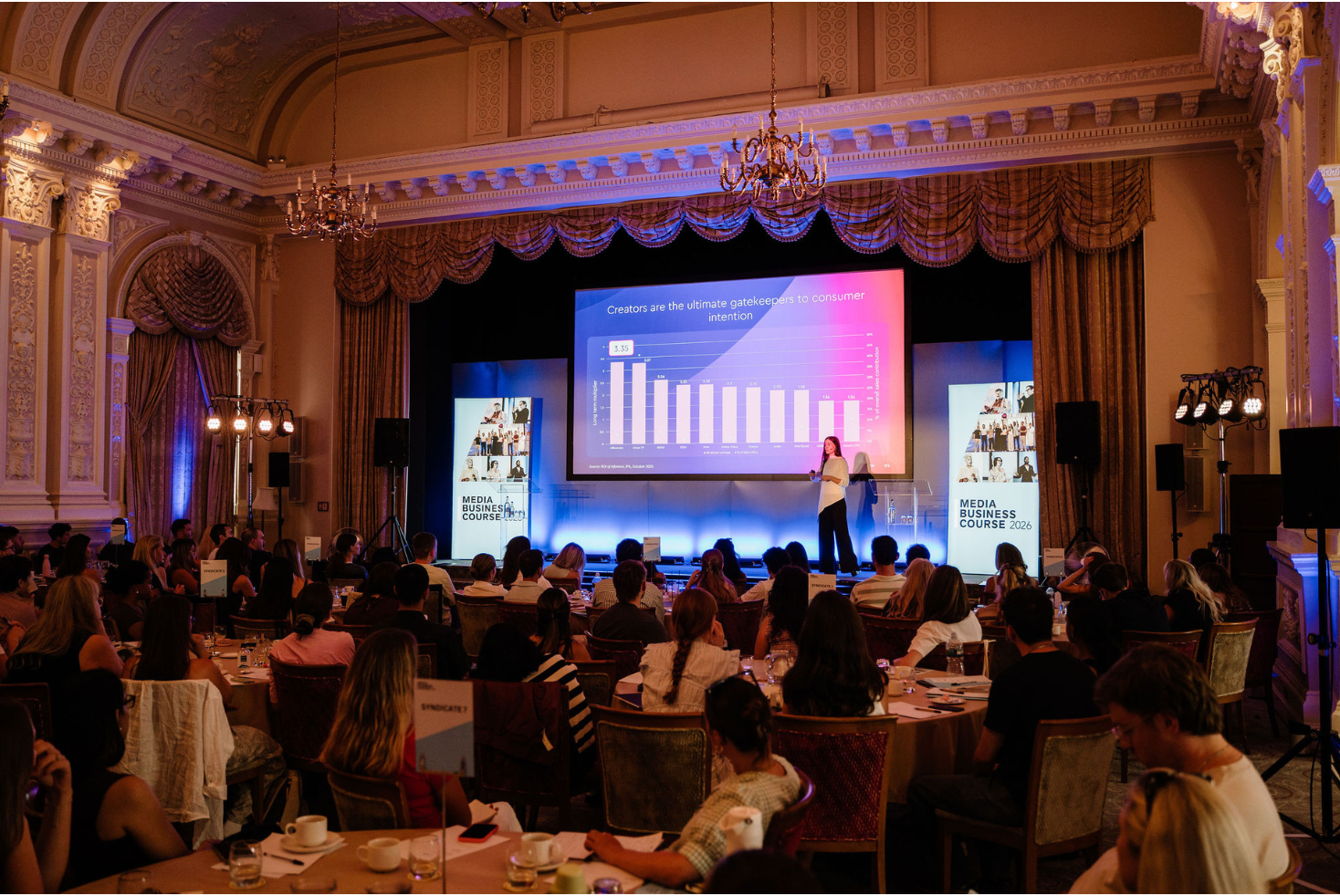
That said, she acknowledged there are occasions when reacting to a viral moment can be highly effective – provided brands have the infrastructure to respond quickly.
Using Heinz’s response after Taylor Swift was spotted eating ketchup and ranch together at an American football game, Coles explained how the brand was able to capitalise on the unexpected moment because they were already working with creators who were contracted, pre-vetted, and ready to activate.
“For a modern marketing campaign, you need to be able to respond at speed to what is happening in culture,” she said. “Not only to make sure that you’re relevant, but also to ensure that you are consistently popping up in the minds of your consumers.”
Coles was clear: “If you get it right in culture, you succeed.”
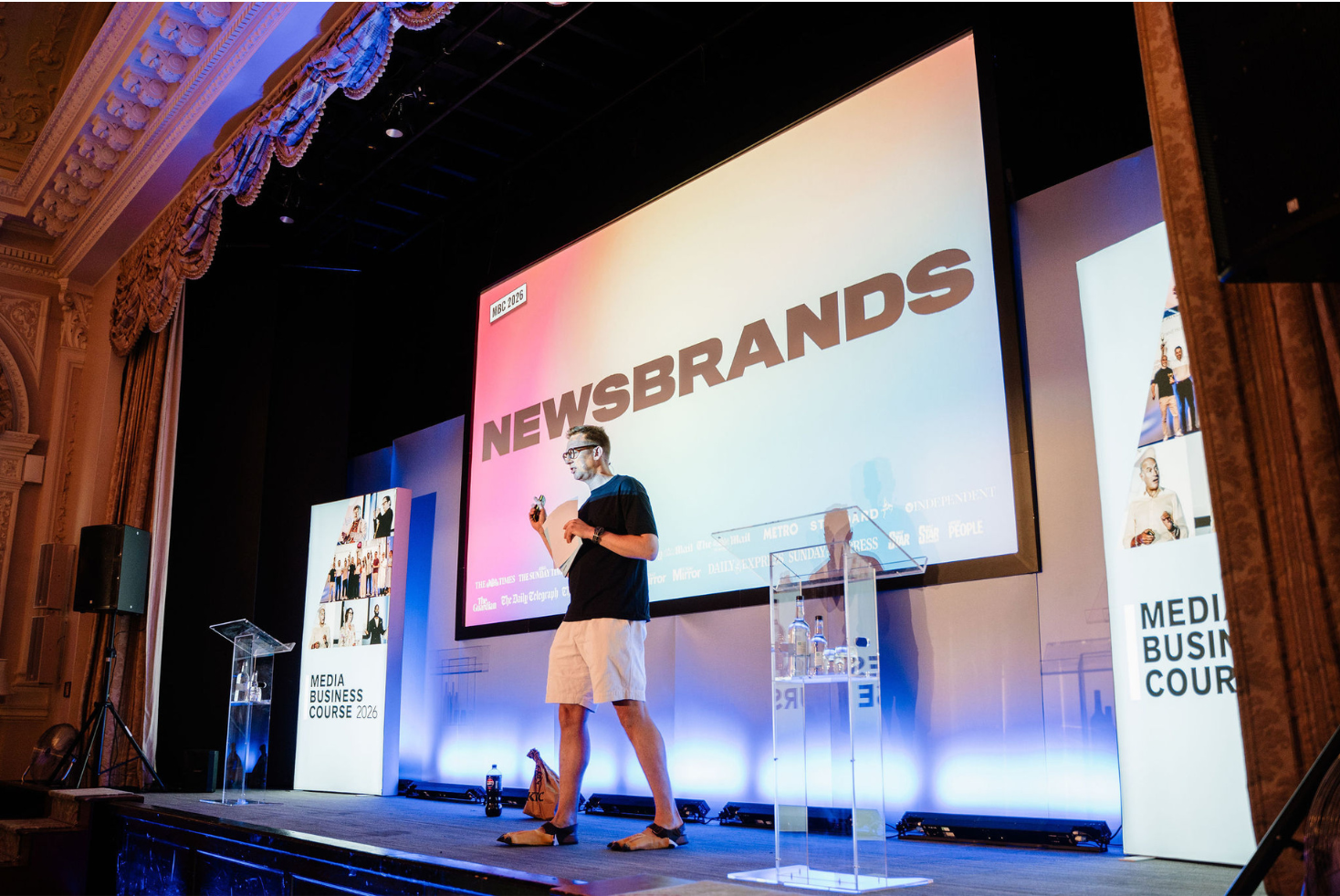
James Fleetham, commercial director at The Guardian also argued that understanding culture is fundamental to effective advertising.
“Quite frankly, you’re not able to make good advertising if you don’t understand what’s going on in culture”.
Advertising alongside trusted journalism, he argued, places brands in an environment where audiences actively engage with the issues shaping society and are open to having their perspectives challenged.
Creating culture rather than following it
For McClenahan, the objective can go even further. To be culturally relevant, “brands shouldn’t jump onto culture, they should create the culture themselves,” she argued.
Out of home, she said, sits “right at the heart of culture”, giving brands the opportunity to show up “in the real world” where people naturally gather and interact.
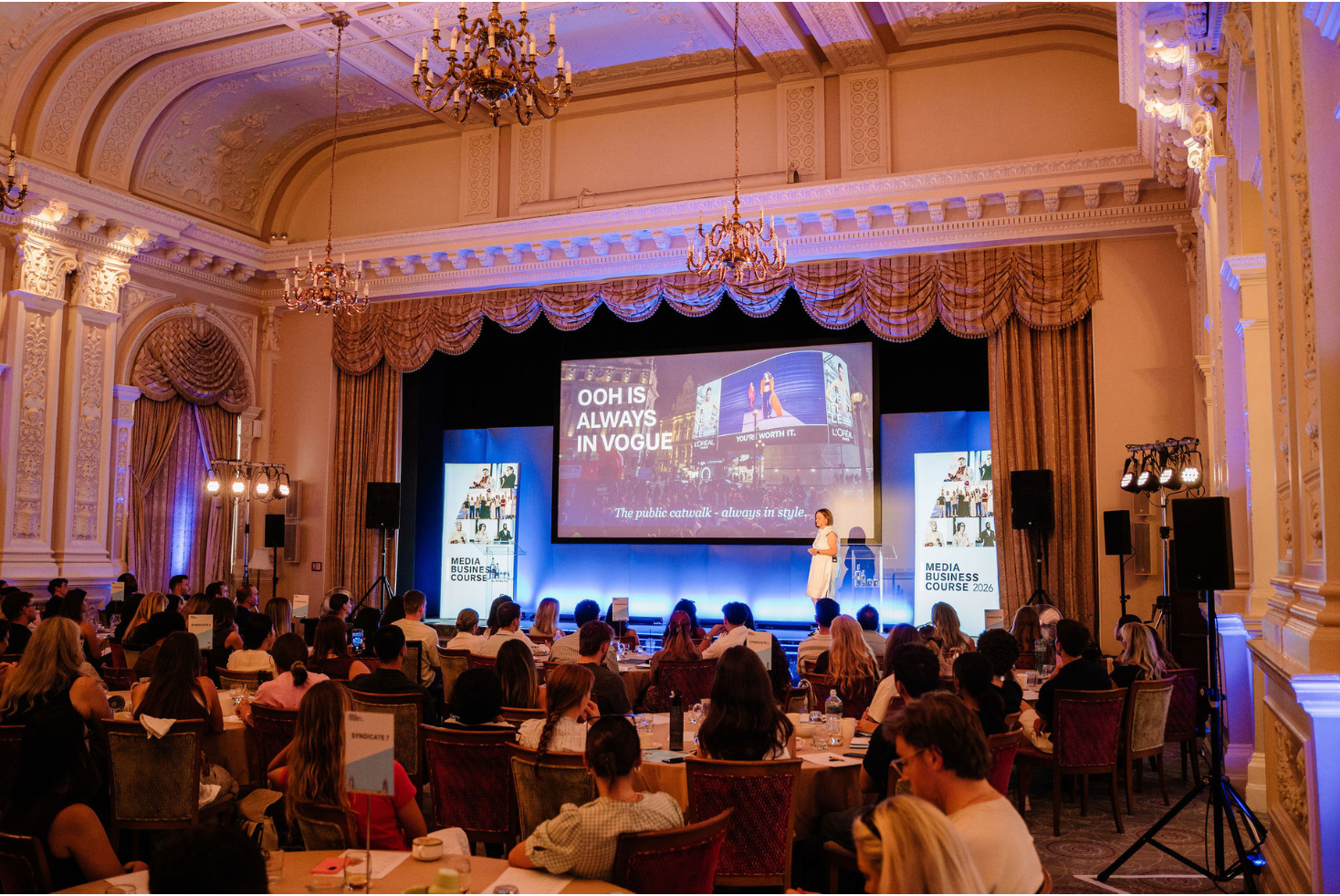
She argued that out of home can “mirror and amplify what people are talking about every day” and, as a result, “companies become experiences that people photograph, post, and turn into trends”.
She also pointed to music and film releases as examples of cultural moments that out of home advertising can amplify. Davina Barker made a similar case for cinema, arguing that the channel naturally aligns brands with major cultural events through blockbuster releases such as Toy Story 5 and The Odyssey. She cited research showing cinema advertising increases a brand’s cultural relevance by 46%.
Like out of home, Global’s commercial agency director, Lauren Angel – who took the MBC in 2019 – echoed a similar sentiment about creating cultural moments, but through audio.
“Audio has become a destination for culture, community, and conversation,” she said.
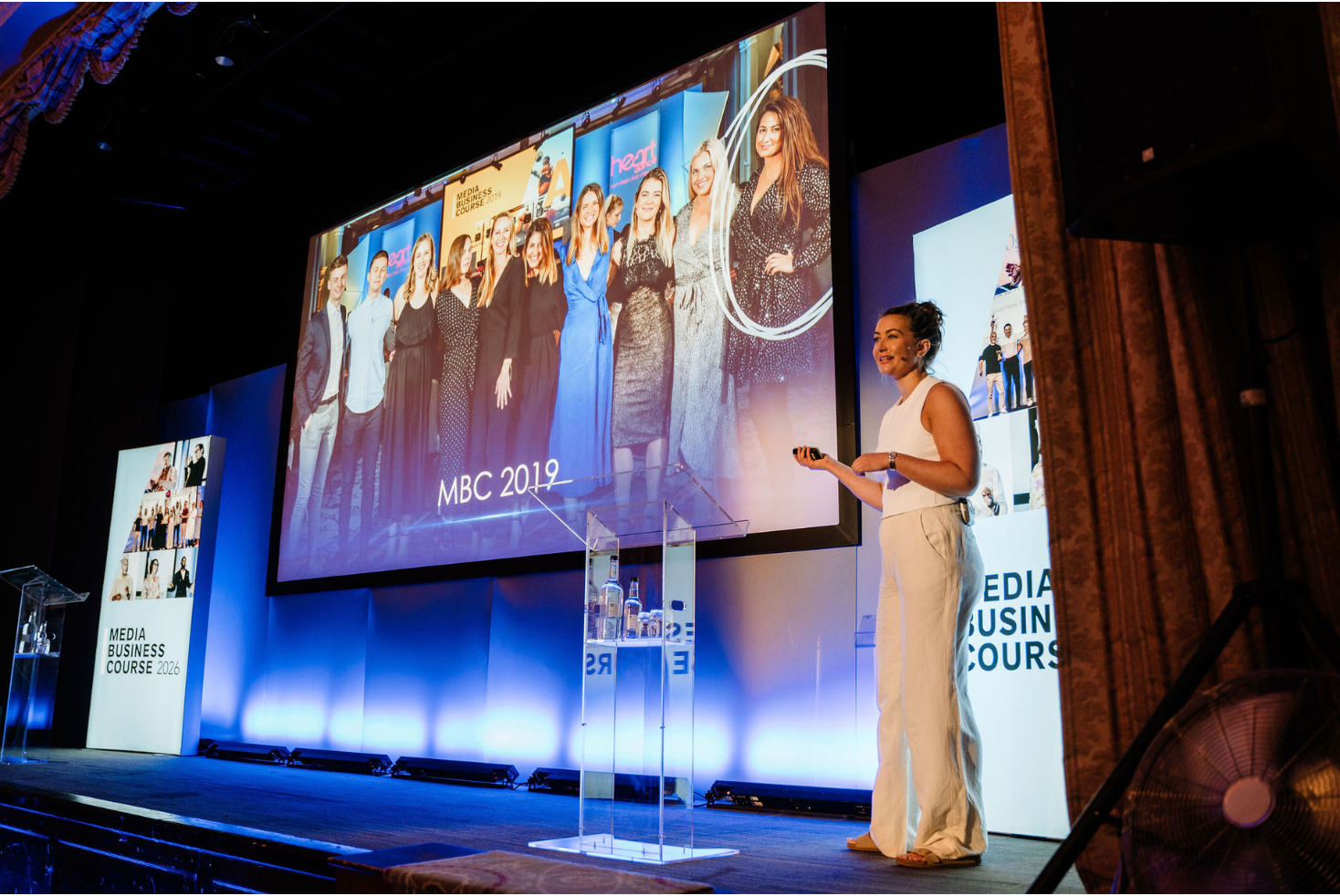
While the creator economy may be relatively new, she noted that radio presenters have been building loyal communities around their personalities for decades. That relationship allows brands to become part of authentic cultural conversations, particularly around sport, music and entertainment.
As an example, Angel recalled Capital Breakfast host Jordan North discussing his favourite breakfast roll – bacon, ketchup, brown sauce and mustard – on air, calling it ‘The Jordan’. Listeners embraced the unusual combination by trying it themselves in the days after the initial conversation. By the end of the week, the hosts persuaded Greggs to sell it for a day.
“What started as a throwaway conversation quickly transcended across social, live events and in-store activation,” she explained.
Taken together, the presentations highlighted both the opportunities and the complexity of today’s media landscape. Each channel made the case for its unique role in shaping or reflecting culture, but the variety of perspectives also underscored the challenge facing media planners trying to reach increasingly fragmented audiences.
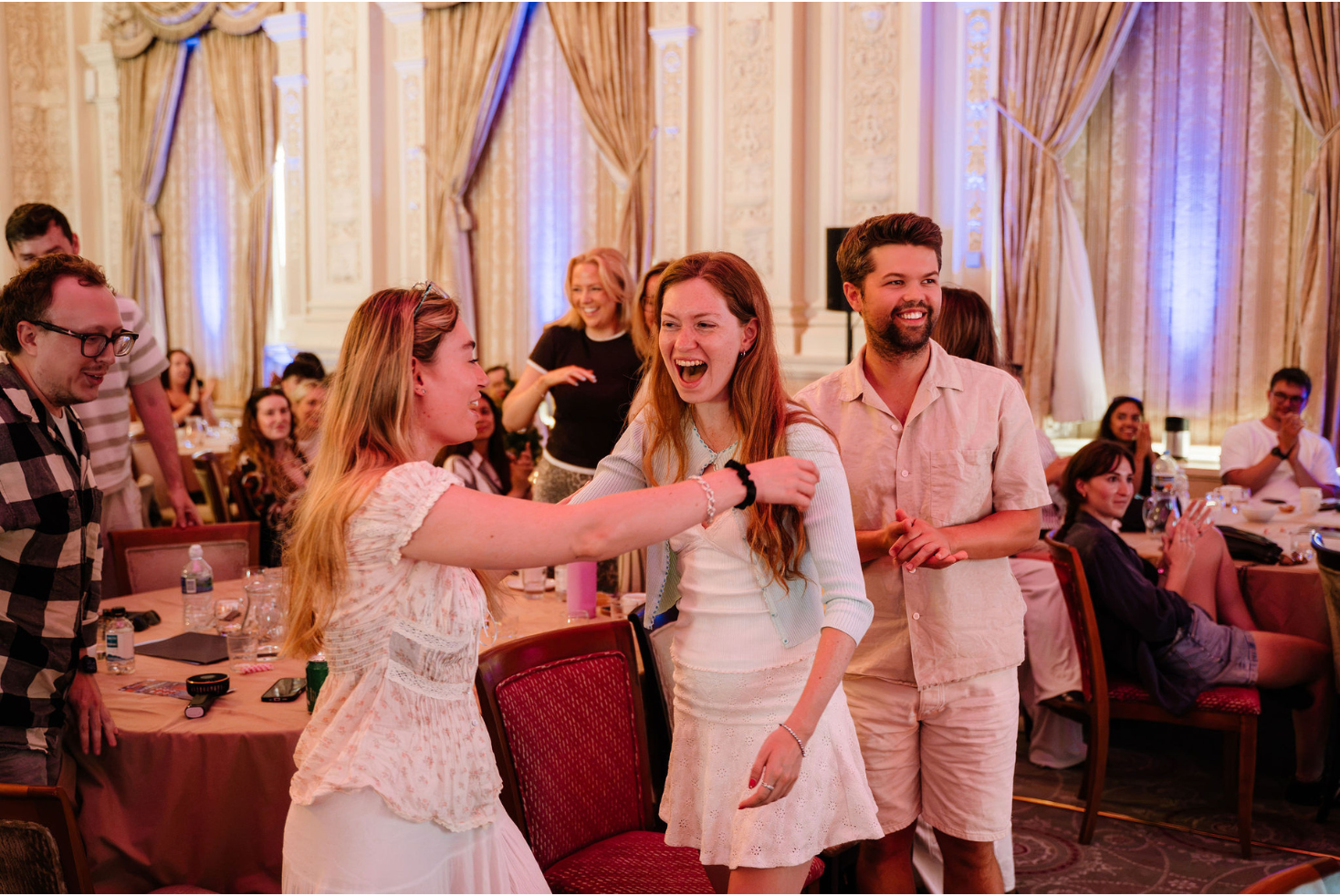
That challenge was reflected in the MBC’s winning response to The National Lottery brief, with Syndicate 8 emerging victorious after seeking to make the brand more culturally relevant to Gen Z by placing relatability at the heart of its pitch.
The team comprised Harriet Matthews (iProspect), Poppy Allan-Spoto (Sky Media UK), Daisy Stockwell (JCDecaux UK), Jamila Crosskill (Ocean Outdoor UK), Logan Hunter (MG OMD), Adam Pavey (Channel 4 Sales), Rory B (JAA Media), Harriet Sumner (Craft Media London), Meg Bass (Unilever), and Libby Darcy (News UK).