



Publisher case study: The stop-motion video that launched the UK’s best-selling electric vehicle
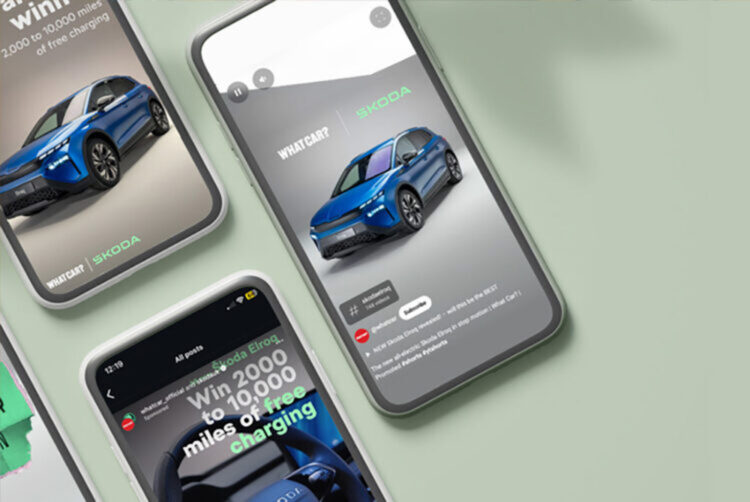
The stop-motion solution that helped launch the UK’s best-selling electric vehicle
The electric vehicle (EV) market has rarely been harder to break into. Slowing demand and an ever-growing number of new models mean that launching a car and earning genuine cut-through is an increasingly steep task.
Škoda challenged Haymarket Automotive Studio to raise awareness of the all-new Elroq ahead of its launch, demonstrating the car’s appeal to prospective buyers as a practical, stylish EV with competitive range and advanced technology. Then came an eleventh-hour hurdle: the Elroq provided for the shoot could not legally be used on the road as originally planned.
The dynamic driving content that had underpinned the brief was no longer possible. With a static car and days to respond, the team needed a highly engaging creative solution — built from scratch — that could still deliver the commercial objectives.
Haymarket Automotive Studio rejected the obvious fallback of a generic studio walkaround. Instead, the team spent three days capturing 800 photographs, moving the car just a few millimetres between each shot to create a stop-motion showcase. No AI, no computer-generated imagery. Even the on-screen feature labels were physically crafted and shot in stop-motion.
The format was a natural fit for Škoda’s brand personality — playful, precise, unexpectedly human — and became the cornerstone of a multichannel campaign across Meta, YouTube and web. To maximise return on investment, the studio atomised the bespoke stop-motion video across every available platform, keeping the timeline strictly on track despite the sudden change in brief.
Watch the stop-motion film →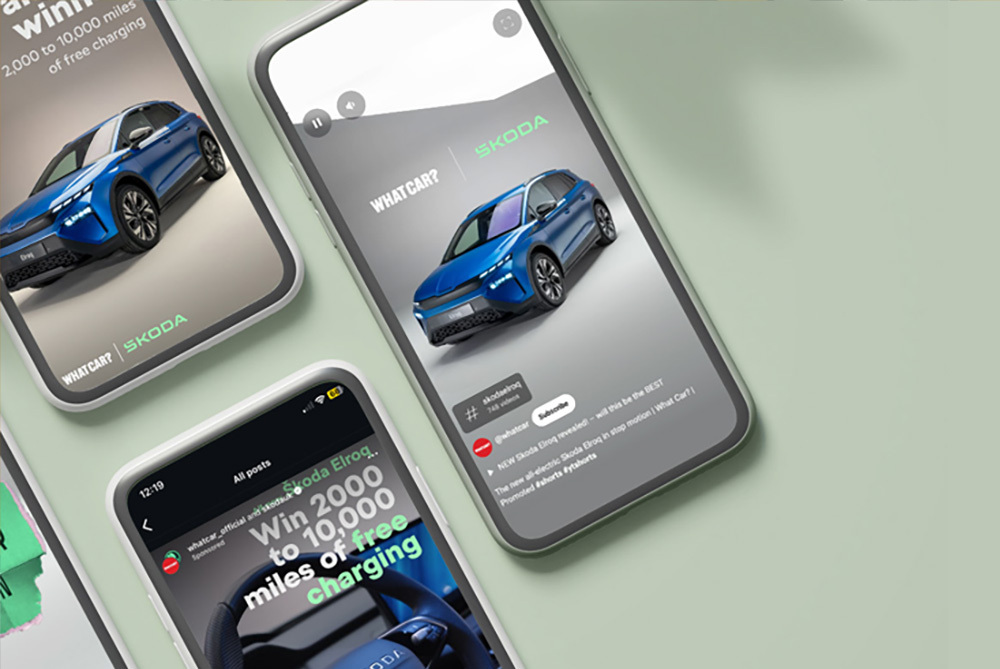

The social creative reached 487,000 people, generating 32,000 video views and 473 hours spent with the brand. Meta creatives achieved a 7.07% click-through rate (CTR), while the stop-motion film on YouTube secured 25,000 views at a 79.1% average view percentage, significantly above channel averages.
Beyond reach, the campaign demonstrably shifted behaviour. Exposed audiences were 2.7 times more likely to visit the Elroq webpage, 3.2 times more likely to use the car configurator, and twice as likely to request a brochure or visit a dealership. Brand perception shifted substantially too: 82% of viewers found the car practical, against 53% of the control group, while 62% agreed it had suitable range, against 35%.
People who saw the campaign were 3.6 times more likely to consider purchasing the Elroq and 5.9 times more likely to recommend it. The Elroq went on to become the UK’s best-selling electric vehicle in April 2025, a month after launch.
A production crisis became the conditions for a more distinctive idea.
At a time when automotive marketing increasingly relies on AI and computer-generated imagery, this campaign shows that tactile, original creativity can still cut through. The constraint — a static car that couldn’t be driven — forced a departure from the expected and produced something audiences genuinely wanted to watch.
The broader principle is about correctly matching creative format to brand personality and publisher audience simultaneously. When those elements align, content earns attention rather than competing for it, and commercial results, from configurator visits to dealership enquiries, follow.
Working with Automotive Studio was a fantastic experience from start to finish. They grasped our requirements immediately and, despite not having access to a drivable car, showed remarkable agility and creativity, delivering outstanding creative solutions that truly resonated with the audience.
This was a genuinely fun project that really pushed Automotive Studio creatively (and logistically). It showed that proper, original, creative solutions still resonate with audiences.