



How Israel’s broadcasters made a shared buying platform work
Analysis – The Future of TV: Global Series
The adtech vendor IDX has hailed the impact of its self-serve ad sales platform in Israel, where leading broadcasters are using the tech stack to provide a single point of entry to their streaming inventory.
The platform gives agencies and advertisers a unified view of cross-broadcaster inventory, with de-duplicated reach and frequency.
It enables cross-broadcaster guaranteed buys with consistent audience targeting.
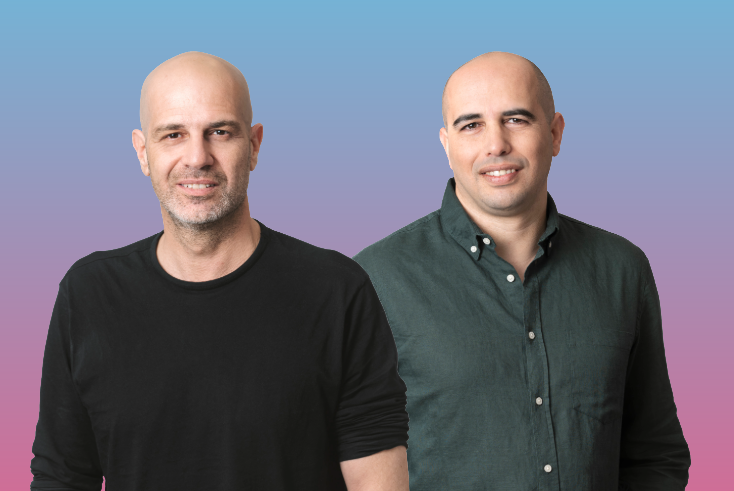
As Amit Ohayon, founder & chief product officer at IDX (above, left), points out, “Buyers do not need to log into ten different platforms to reach their audiences.
“Agencies love the idea of a single platform where they can buy everything.”
The leading Israeli commercial free-to-air broadcasters, Keshet12 and Reshet13, which account for a large share of broadcaster streaming in Israel, are members of what IDX describes as a consortium.
The other broadcast members are Channel 14, i24NEWS, Sport 5, and ONE.
Leading publisher inventory can also be bought through the IDX platform from outlets such as Ynet, Walla, Globes, Haaretz, Maariv, and Israel Hayom.
Advertisers can also buy direct from individual broadcasters. Except for Keshet, all are using the same IDX technology to provide access to their own inventory outside of the consortium.
IDX acts as the demand source for these media owners, with exclusive inventory access drawing buyers to the platform when it first introduced digital inventory (ten years ago) and premium video (six years ago).
According to Ohayon, “We encouraged publishers to create exclusivity for their inventory. Buyers must come to the IDX platform.
“To make that work, the publishers do need market power – the ability to influence how the market operates.”
Taking the platform tech overseas
IDX is now looking to take this technology outside Israel, supporting both the use cases seen in that country.
As a single broadcaster, a streamlined programmatic sales solution could support efforts to attract small and medium-sized businesses through self-serve capabilities, the company points out.
Eli Asulin, IDX’s CEO (also pictured), sees opportunities for the shared collaborative platform model in international markets as well.
“The market has moved towards us,” he suggests.
He believes a consortium model is realistic when there are mature broadcasters and publishers with enough market power to ask buyers to access them differently, steering away from existing SSPs and DSPs.
He reckons agencies will get on board.
“In Israel, the agencies love self-serve. Some marketers globally are looking for a more efficient economic route to inventory.”
The IDX platform combines the functionality of a DMP (data management platform) and a DSP (demand-side platform) and includes an integrated brand lift survey tool to track outcomes.
The non-broadcaster publisher inventory includes display, and the platform is expanding to include DOOH and cinema.
For broadcaster streaming, agencies or advertisers upload campaign parameters to the IDX platform, whether they want to buy from an individual broadcaster or pursue a unified buy across the consortium.
Under the consortium model, multi-broadcaster inventory is surfaced to match audience targets, with the IDX system connected to the ad server.
No external DSPs are used. “The inventory does not go to any exchange,” Ohayon emphasises.
Buyers see how the campaign will be divided between the broadcasters (or other publishers) and receive content-level impression reports.
Data transparency important
Broadcasters see which part of the campaign they fulfilled.
“Data transparency is an important feature,” notes Ohayon.
Asulin says: “We have solved a lot of the complicated problems around allocating a campaign efficiently across different broadcasters in a consortium model, and how to report back to them.”
There is also a creative studio where advertisers can create rich media assets and convert formats. A finance module supports agency requirements like rebates and discounts.
No broadcaster has ever joined and then left the consortium model in Israel.
“The collaboration is underpinned by an understanding that broadcasters are competing with global players who have lots of reach, like Facebook or YouTube,” explains Ohayon.
“By joining forces, you can compete with what big media technology offers.”