



How to bridge the measurement gap when cross-media ‘utopia’ remains elusive
Partner content | Roundtable | AudienceProject
Accurate and transparent media measurement would likely have a material impact on how media budgets are allocated across channels and platforms.
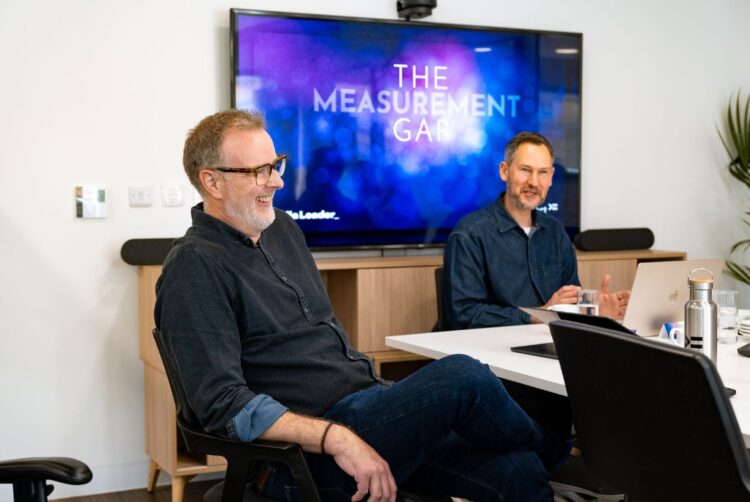
That was one takeaway from a roundtable hosted last month by The Media Leader under the Chatham House Rule, with support from the independent cross-media measurement company AudienceProject.
The roundtable featured a mix of brand marketers, media agency strategists and planners, and leadership from AudienceProject.
One agency planner frankly acknowledged that, if perfect audience measurement existed, “the money would flow to different places.”
“Less transparent platforms” that “overclaim effectiveness” would see a “minimum swing of 20%” of media budgets moving to other channels, this person said, adding: “It’s amazing how much money leaves the building without much thought or consequence.”
A brand marketer agreed that investment would inevitably shift in this way, but only if alternative platforms offered shorter-term measurement options to aid brands’ agility to shift investment.
Needing ammunition
The brands’ lack of ammunition to push back against short-termism in the boardroom was a common thread through the conversation, which took place over a full morning. While most CFOs acknowledge that media contributes to sales, one CPG brand marketer noted that it is difficult to isolate media’s impact relative to other factors, let alone identify which specific channel was the winner for a given campaign.
A lack of data directly linking media to long-term outcomes creates challenges between marketing officers and finance officers, with CFOs described as likely to “default to what’s worked in the past”, leading to conservative media and creative decisions and, therefore, blander, less attention-grabbing advertising.
Taking the wheel: Data ownership and the future of TV measurement
One agency planner said it’s often hard to reconcile that so few campaigns deliver big growth for brands. “We’re not really taking big swings,” they said, warning that “measurement keeps us small sometimes”. Often, they added, great creative isn’t placed in the right places to have a big cultural impact.
On the other hand, a media plan can be perfectly crafted, but poor creative can tank the effort.
“We got attention wrong,” the planner continued, noting that advertisers shifted to short-form advertising placements because the platforms introduced that inventory and because measurement data indicated most people were not paying attention to most ads for an extended period of time.
But consumers “will pay attention to a 20-second ad if it’s a good ad,” they said.
One brand marketer agreed that creative decisioning has not kept up with media decisioning. “We’re making modern decisions on how we buy our media, but we’re not making modern decisions on how we sort our creative out.”
‘A slave to ROI’
While marketing mix modelling (MMM) is once again en vogue after years of “relying on platform attribution”, one media director for a CPG brand warned that it is currently leading brands down the “wrong path” of short-termism, with an emphasis on using econometrics to prove shorter-term outcomes.
The media director said this is forcing them to have “really difficult conversations with our finance people”, most of whom have “become a slave to the ROI numbers.”
A director of insights and effectiveness at a media solutions business within a holding group further warned that brands face a “what you see is all there is” fallacy, arguing that just because something can’t be measured doesn’t mean it isn’t working. Indeed, media decisions that are known to work in the long term might not appear in MMMs.
This is true of OOH, for example, for which the channel’s joint industry currency, Route, has said it is working to rectify.
Overlapping reach comes at a cost ‘worse than wasting money’, says Audience Project’s CPTO
MMM has become more popular as media fragmentation has worsened in recent years. As one attendee noted, fragmentation is not only occurring across channels but also within individual platforms. YouTube, for example, now has long-form and short-form feeds, with videos accessible on everything from low-attention mobile devices to high-attention big-screen TVs.
“It’s still a massive issue” not to have one unified, cross-media view, a media director for a major CPG brand said.
Even so, as cross-media solutions develop to meet that demand, they added that it’s one thing to know where audiences duplicate, but another altogether to know which channel offers the best reach and which is worth reducing from the plan to avoid that overlap.
Calls to action
The roundtable concluded by settling on several calls to action for industry practitioners to move the needle on the measurement gap.
These included a desire for broadcasters to “come into the fold” on cross-media measurement efforts, even as the group acknowledged “equivalence” in measurement is “holding back unification”, with different media channels disagreeing on what should qualify as a view.
Platforms, one member added, should also provide greater details about share of voice to allow marketers to make more informed decisions on how they show up in walled garden environments.
Ultimately, though, the group agreed that it is the brands and their boardrooms that must become more comfortable “embracing uncertainty” in measurement, with one participant candidly stating: “There is a limitation to all measurement. Embrace it as an opportunity to learn about your consumers, not an end-all-be-all.”
An agency planner chimed in: “There won’t be measurement utopia. Be okay not having the right answer every time. Try just to have a better answer.”