



Inclusive advertising is a ‘commercial superpower’, says new Outvertising CEO
The Media Leader Interview
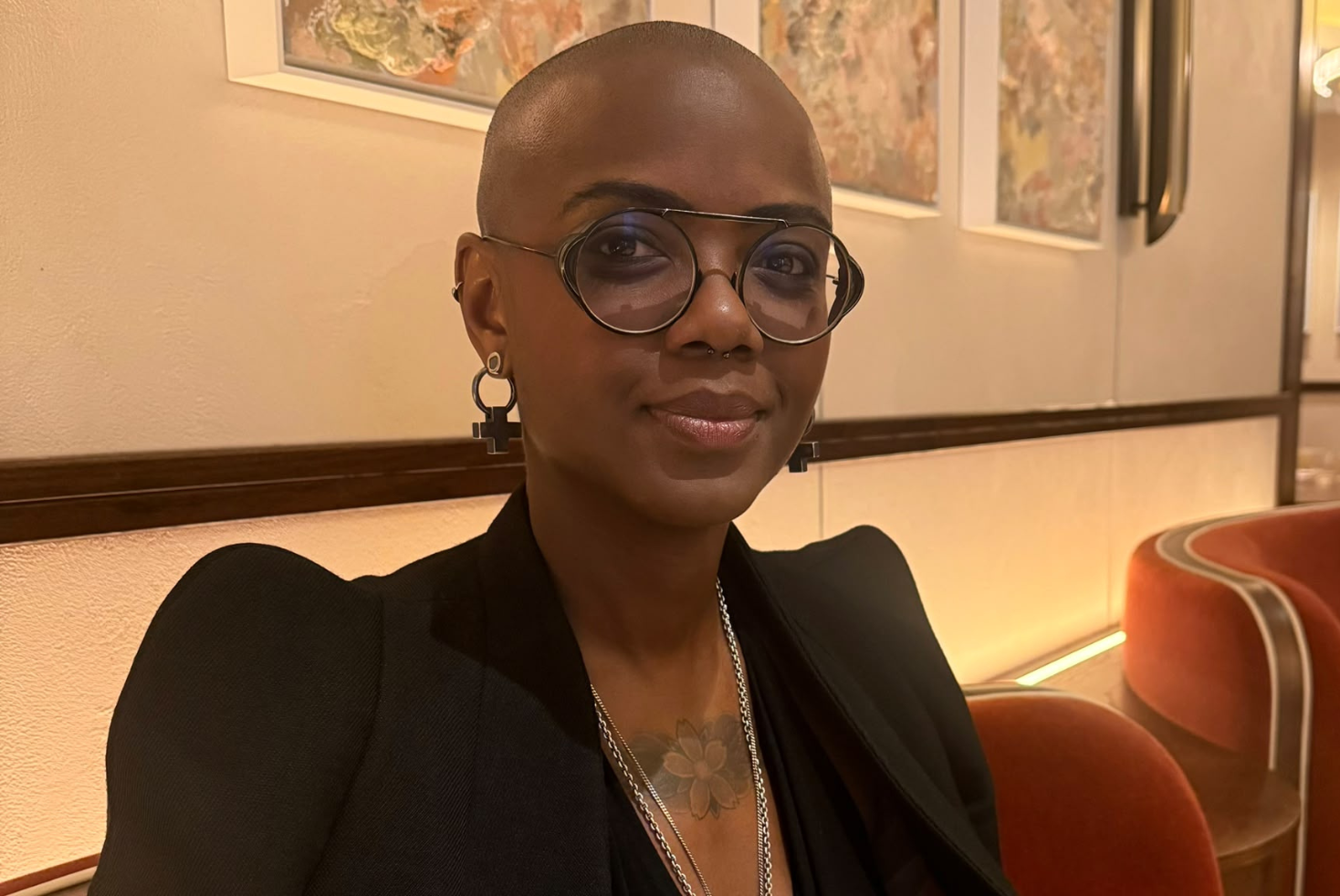
Inclusive advertising is good for business. That’s according to Tash Beecher, the new CEO of LGBTQIA+ advocacy group Outvertising, who stepped into the role last week.
Having taken over from Chris Dunne after his two-year tenure, Beecher wants intersectionality to be at the heart of the organisation’s work, arguing that brands and the advertising industry need to move beyond treating the queer community as a monolith.
She says she wants Outvertising’s work to “really authentically reflect the lives and experiences of queer people as a whole, including people of colour”.
As such, increasing Black and Brown queer representation and ensuring Outvertising reflects the breadth of queer experiences will be among her priorities as CEO.
She added: “Intersectional, inclusive advertising isn’t just a moral imperative; it’s a commercial superpower for brands, and we’re in a unique position to be able to help them realise that.”
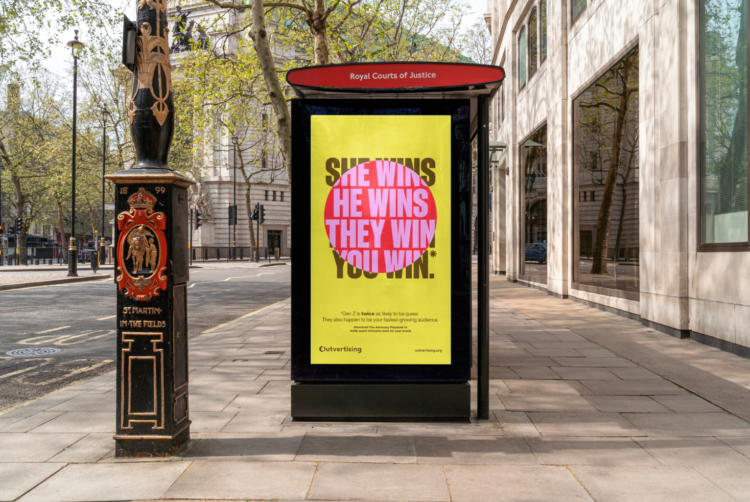
Outvertising is communicating that business imperative through its latest campaign, which launched on Monday to mark National Inclusion Week (14-18 September).
Developed with creative agency Hijinks, the four posters use assertive, playful statements including, “she wins, he wins, they win, you win”, to make the commercial case for LGBTQIA+ inclusion.
Beecher says the campaign is designed to be almost “provocative”, while remaining “fun and sassy”. The statements, she explains, “should be a given […] and so we’re presenting it as though it is a given, like obviously you would do this.”
Making the business case for inclusion
The campaign comes at a time when diversity, equity and inclusion efforts and policies have faced a global backlash, with some businesses scaling back their commitments.
Upon returning to the White House in January 2025, US President Donald Trump called for the stripping back of DEI initiatives. Companies including Google, Goldman Sachs and McDonald’s subsequently ended or reduced some of their DEI policies.
However, reporting from The Guardian last month found that companies that kept their DEI initiatives performed just as well as competitors who pulled back.
For Outvertising, there is a clear commercial argument for brands to continue investing in LGBTQIA+ inclusion.
As part of the new campaign, the advocacy group cites Kantar research finding that the spending power of the LGBTQIA+ community is over £33bn in the UK.
Outvertising’s campaign also refers to data showing that Gen Z – brands’ fastest-growing audience – is twice as likely to be queer, while one in five UK workers wouldn’t work somewhere that doesn’t support LGBTQIA+ employees.
Additionally, 65% of employees said they would leave if they couldn’t be openly out at work.
For Beecher, these figures reinforce the idea that inclusion is “essential for businesses making money”.
A creative direction
Before becoming CEO, Beecher spent two years as Outvertising’s creative co-director, working alongside Marc Allenby of Hijinks. Outside Outvertising, she is global & EMEA creative director at Syneos Health Communications.
The creative vision she and Allenby developed for the latest campaign, which uses bold, bright colours, is something Beecher now wants to bring into her wider work as CEO.
“As a visible creative leader, I want to use my voice to make advertising a beacon of best-in-class, authentic storytelling, which we know brands benefit from,” she says.
Prioritising creativity and amplifying its effectiveness will be among Beecher’s goals. She believes the industry has been having this conversation for some time, but hasn’t done enough to act on it.
Where brands can improve
Beecher argues that diversity and inclusion can’t be limited to who appears on a campaign poster or TV ad. The people making the work and making decisions about it “also need to reflect the people that you’re trying to sell to.”
She acknowledges that brands can often be nervous about getting inclusion “wrong”, which can lead them to hesitate to take part in more ambitious or visible inclusive advertising. But that nervousness, Beecher suggests, can “be a barrier to actually doing the right thing”.
For brands looking for guidance, Beecher points to Outvertising’s Playbook. More broadly, she says brands should be willing to speak to and listen to the people they represent.
“Your audience, your stakeholders, are going to, in my experience, appreciate it more if you’re trying,” she says.
Another common mistake, she argues, is treating LGBTQIA+ inclusion as something that only needs to happen during Pride. For inclusive advertising to truly resonate, it should be present year-round.
Beecher also believes agencies have a role in challenging brands to be more inclusive, and they currently aren’t doing enough to push clients. She acknowledges that doing so can be difficult, but says that is precisely why Outvertising exists: to help the industry understand the value of inclusion and to communicate that to brands.
What does success look like?
Ultimately, Beecher will measure progress by whether that change can be seen across the industry.
Working with more brands and getting more people engaged in the conversation are among her ambitions. But she also wants to see more tangible change in who is represented across the industry.
She talks about having “that almost visible metric of different kinds of queer people that we’re able to see represented behind the camera, in front of the camera, and at senior levels within brands as well.”
More broadly, the need to keep having these conversations has become increasingly urgent.
“It’s a really tough time for queer people globally, and Black and Brown people globally as well,” she says.
“Being able to have those conversations and almost acknowledge that it’s difficult, I think that’s something that’s being swept under the carpet because of fear and because of a fear of repercussions and because of a fear of not meeting a return on investment as well.
“We need to have those conversations, because I think it’s going to be very, very quickly too late.”