



Leading Questions with David Bradford – Bloomberg Media
Leading Questions
Bloomberg’s European MD for advertising, David Bradford, is in the hot seat for our probing and quick-fire Leading Questions.
Trust, consistency and the confidence to make clear decisions in complexity: these are the qualities David Bradford believes will define the next generation of media leaders.
As European MD for advertising at Bloomberg Media, he oversees the commercial team across the region, working with global brands on paid content and sponsorships across a portfolio that spans live TV, digital video, podcasts and events. High-stakes moments, he argues, are precisely when trusted editorial environments prove their worth most.
In this edition of Leading Questions, he talks building teams that feel motivated and valued and the limits and possibilities of AI in a newsroom-led business.

Leadership
What principles guide your leadership approach?
Leadership is about building the right type of team: from hiring the right people to creating an environment where they can thrive. Teams that succeed are consistent, collaborative, and work hard – so those three factors define my leadership principles, as you have to be what you want to see in your team.
After all: media is a people business. You can have the best strategy in the world, but it only works if people feel motivated, trusted and clear on what they are trying to achieve. I try to create that kind of environment: high standards, but with enough openness for people to challenge, contribute and bring ideas forward.
At a more granular level, we’re the Europe team in a global organisation – so it’s also about building confidence that we can really grow in our region and contribute to the business overall. I want them to feel their work is seen and valued, every day.
How do you define success as a leader in today’s media landscape?
Success is building a team that knows where it is going, feels trusted to get there, and delivers work that matters. Part of that means building the right solutions with and for clients. In an increasingly complex media landscape, we have to cut through that noise to deliver exceptional outcomes for clients. So I think successful leaders are good at thinking through a problem and applying a deep understanding of their audience to create something really special. Or, they’re good at finding and hiring the right people to help them to do that.
People and Culture
How do you build and maintain a strong company culture in times of rapid change?
Company culture is, in my view, shaped by how people feel about a business and how they talk about it with friends, peers and clients. It shows up in everything, from the way teams collaborate, to the standards they set for their work, to the environment you create around them.
At Bloomberg Media, our culture is anchored in excellence. That means a commitment to trusted, high-quality journalism, underpinned by Bloomberg’s unique data, insight and intelligence. In a period of rapid change, that clarity of purpose matters more than ever. It gives teams a shared mission: to connect deeply with our audiences and help clients engage them in meaningful and credible ways.
The media and advertising landscape is naturally fast-moving. We bring campaigns to life across global platforms, from live news and digital video to podcasts, events and social. The channels may be different but the standard must remain consistent. People come to Bloomberg because they want to work in an environment where quality matters, where journalism has real influence, and where the work is seen and felt by highly engaged audiences every day. The value of trusted news and a truly global perspective has never been higher – and we try to make sure people feel that and the benefit of being part of it.
How do you inspire your teams when uncertainty is the norm?
I lead the Bloomberg Media commercial team in Europe, which includes paid content and sponsorships across our consumer-facing platforms. That means we get to work with fantastic global brands on a daily basis and do fun, creative things with them.
That’s inspiring on its own, but creative inspiration can come from a lot of places. Personally, I find it incredibly humbling to work with some of the incredible talent we have delivering our news every day through Bloomberg Media’s platforms – from TV to podcasts and every other platform. Look at Mishal Husain and Francine Lacqua to name just two of our outstanding journalists.
While uncertainty can create confusion in many organisations, for an editorially led business, such periods highlight the value of what we do even more. High-stakes moments are when audiences turn to us for trusted information, analysis and context, and that is when our audience is most engaged. So for our teams, that creates a clear sense of purpose: helping brands show up credibly and meaningfully in the moments that matter.
If you work in this industry, you thrive on that evolution. You get to be part of the growth story for how these brands speak to their audiences, and we get to help them level up.
AI, Innovation and Skills
How is AI changing the way you lead and make decisions?
It’s certainly making some of our work processes faster and more efficient, which is empowering in actually going for big projects that may have laboured under too much menial work previously to be worth it. For example, it means that we can leverage the closed captioning we’ve always had on our live Bloomberg TV shows to create a really rich dataset, ultimately meaning advertisers benefit from more precise contextual video targeting across our properties. So our contextual offering is more powerful than ever, and this is a huge insight that can empower decision-making.
AI is a fantastic tool to help power and inform this strategy, but in itself, it’s not the strategy. As we integrate AI technologies into our workflows, we are focused on accuracy and transparency, are privacy-forward, and emphasise always having a human mind using the tools.
What skills will define successful media leaders in the next decade?
The most successful media leaders will be those who can make clear, confident decisions in an increasingly complex environment. With the pace of change across media, technology and advertising, knowing where to find expertise, data and trustworthy insights is the real skill. Leaders need to interpret the right information, understand what the data is really telling them, and use that to guide their teams and clients.
Trust is going to become an even more desirable resource. With the rise of both AI and misinformation in an increasingly fragmented media world, the companies and leaders that will win out are those that can instil trust. So creating a product or service that is both trustworthy and reliable to clients will be key to successful future business.
What’s your advice for aspiring media leaders?
My advice would be to stay curious, listen carefully and get comfortable with change. Media moves quickly, and great leaders need to make sense of complexity while remembering the goals of your organisation – in our case, delivering quality journalism as effectively as possible.
Above all, focus on trust. Whether with teams, clients or audiences, trust is built through clarity, consistency and follow-through.
The Quick-fire Round
Which book would you make required reading for all media leaders?
The Everything Store by Brad Stone. Brad is a colleague, so I am biased, but it is a brilliant read on ambition, customer obsession and reinvention.
Which leader from TV, film, or literature most inspires you?
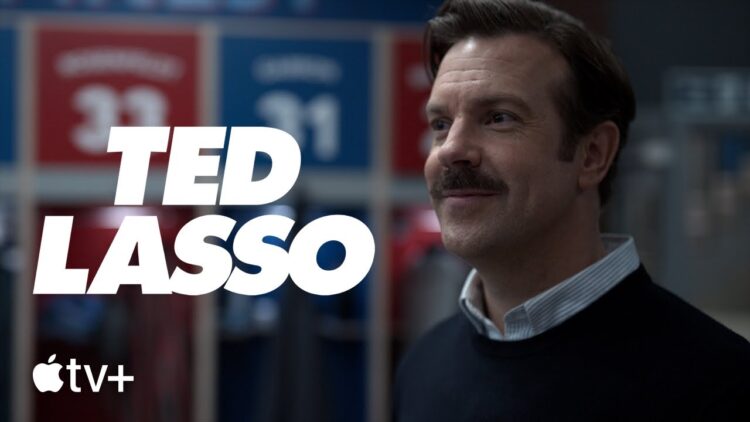
Ted Lasso. Not because leadership is always about being relentlessly positive, but because he understands people. He builds belief, creates a strong team culture, and gets people to perform by making them feel valued.
What’s your go-to source for inspiration when you need it — work or otherwise?
People are my biggest source of inspiration – especially high-energy people who are curious, opinionated and switched on to what is happening in the world. I find that infectious. Working in the media, the best conversations are often the ones that leave you with a new angle, a better question or a different way of looking at something.
Media lunch or media breakfast meeting and why?
I am happy with either – the real value is being face-to-face. That feels like a gift now.
Which media leader would you like to answer Leading Questions next?
Rob Gold, EMEA president, Trilliad
Leading Questions is published by The Media Leader every Friday.