



Reach to cut 13% of commercial roles as part of wider restructure
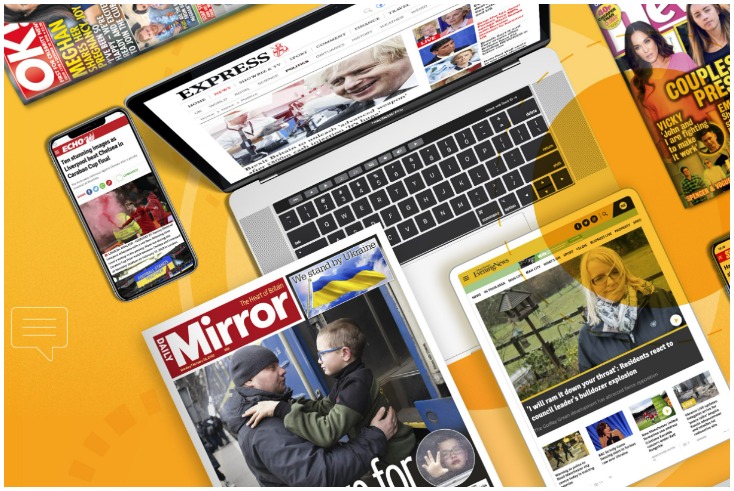
Reach, the UK’s largest news publisher, is planning to cut 13% of commercial staff — equivalent to around 65 roles — following a collapse of referral traffic from AI search and social media.
The company also told staff on Wednesday it would cut 160 roles from its editorial teams and shut down three online-only news titles: Aberdeen Live, Galway Beo, and Kent Live.
The Media Leader understands that commercial roles will initially be placed at risk as affected staff go through a consultation process. It also understands sales roles have generally been prioritised.
In its half-year earnings update, Reach reported revenue had fallen 9% year-on-year to £232.9m, with both print (-8.3%) and digital revenues (-11.3%) declining significantly. The decline in print was viewed as resilient given a 22% drop in print circulation volumes, while the downturn in digital revenues was attributed to lower referral volumes, “mainly from Google”.
Page views, Reach reported, declined a staggering 40% year-on-year, causing volume-sensitive indirect revenues to decline 16.2%.
In response, CEO Piers North signalled the publisher would begin to focus “less about volume and more about original content” with the expressed goal of securing “greater independence from referral traffic”.
In a memo to staff circulated on Wednesday, chief content officer David Higgerson described that the company is “in the middle of a mammoth shift in how audiences want content and journalism.”
He continued: “To ensure a sustainable future for our journalism, we must focus our investment in the areas where our audiences spend the most time and where our revenue reflects the value of our work.”
Higgerson outlined that Reach will cut 220 roles from its editorial structure and create more than 60 new editorial roles, primarily to drive subscriptions and long-form video production.
By the end of the year, Higgerson said, Reach will prioritise “active engaged time” as its “north star metric”, rather than page views. The publisher, he outlined, is seeking to enhance its brand reputation through “well-read journalism which creates loyalty”.
It is a remarkable strategic shift for a business that has long prided itself on its advertising model and criticised the wider publishing industry for embracing paywalls.
Writing for The Media Leader in 2024, Higgerson argued that the idea that “journalism’s future sits with expecting readers to pay doesn’t stack up to real-world scrutiny”, adding that paid subscriptions “convert the super-fans and passionate advocates” but not necessarily others.
“Telling people they can get the truth only if they pay for it is only going to make the polarisation we feel on both sides of the Atlantic, and the risk of ill-informed resentment taking society to a much darker place, all the more likely,” Higgerson wrote. “That’s why free-to-access news and information, that is reliable and trusted, is so important. This sort of bedrock journalism is worth fighting for, even if it means dealing with challenges around user experience and ad load and ever-moving tech platform algorithms.”
But the latest pivot amounts to an admission that a wholly ad-funded model for journalism — one that measures digital success by page views and audience reach — is not sustainable in an era when clickthrough rates have plummeted and non-original reporting has been devalued.
Reach finally conceded the need to launch a subscription tier last November, subsequently rolling out premium subscription options for national titles including the Mirror, Express, Daily Star, and Daily Record, and local titles like The Manchester Evening News and Hull Live.
In August, the publisher announced it had collectively surpassed 50,000 paid digital subscribers, with a target of 75,000 subscribers by year-end. Subscriptions cost between £3.99 and £6.99 a month, with the majority priced at £4.99.
Enticing readers to pay for content that was previously free has required investment in higher-quality journalism. That has included restoring dedicated business sections in some of its leading websites and investing in multimedia content production; in August, Reach hired Immediate’s director of video strategy and delivery, Paul Doyle, as the company’s first editorial director overseeing audio and video output.
How publishers are fighting to protect their copyright from AI companies