



PSBs and streaming giants: apples and pears?
The top shows from streaming giants Netflix and Amazon Prime Video reach substantially smaller ad-supported audiences than programmes from the UK’s major public-service broadcasters, Barb data seen by The Media Leader shows.
The data compares streaming video-on-demand (SVOD) ad-tier reach with broadcaster reach, including both streaming and linear viewing; effectively comparing reach across available ad inventory between streamers and public-service broadcasters (PSBs).
According to the figures, Netflix’s top programme in the UK so far this year is Run Away. Compared with audiences for the top 400 programmes across ITV, Channel 4 and Five, however, it would rank 306th. By broadcaster sales house, Run Away would rank 122nd in a list of the top 200 programmes within Channel 4’s portfolio alone, albeit likely with a different audience profile.
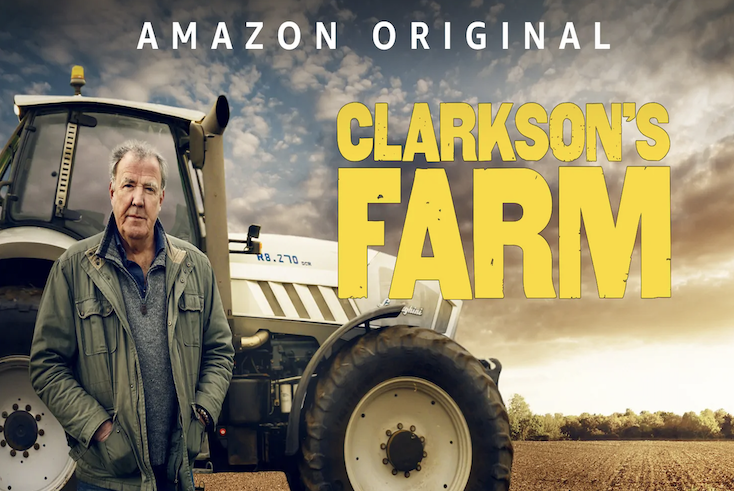
Meanwhile, Amazon Prime Video’s top title, Clarkson’s Farm, would rank 120th in a list inclusive of the same PSBs’ programming. This puts the show’s audience roughly in line with ITV’s coverage of this year’s Soccer Aid and Channel 4’s Naked Attraction.
On a monthly basis, streaming services’ top titles rank higher. In August, for example, Amazon Prime Video’s Reacher, which premiered its fourth series during the month, ranked as the 54th most-watched programme in the UK. Netflix’s top August title, The Last House, ranked 175th.
This suggests ad-tier viewing of streaming titles can spike when popular new shows and episodes are released, but live and on-demand viewing at broadcaster properties consistently dominates UK ad-supported reach over the course of the year.
Thinkbox has previously explained that, despite new entrants into the TV market, overall viewing has remained broadly stable, with consumers “still watching the same programmes” as they did a decade ago — and in “reasonably similar” numbers.
This is in part because public-service broadcasters remain free to access for TV licence holders, with linear audiences overindexing among older cohorts. Broadcasters also benefit from mass reach via news and sport, compared to the on-demand drama, comedy and documentary output of streamers.
The Media Leader was unable to access relevant demographic data.
What Paramount’s takeover of Warner Bros Discovery means for global TV and cinema
Ian Daly, head of AV at independent agency the7stars, told The Media Leader programme scale generally “varies by audience”, with the over-65 demographic likely “doing a lot of heavy lifting” with public-service broadcasters. Splitting out viewership by 16-34s, he suggested, “would show the streamer ad tiers in a better light”.
Media buyers, he continued, are aware of the different value propositions for broadcasters and streamers, with the former maintaining an advantage in mass reach while the latter offer smaller but more targeted opportunities with high viewing times.
Daly added that TV planners have been able to use Barb data to break out ad tier viewing from total viewing on streaming platforms “for a while now”, with such data enabling planners to “cut through the vague household viewing and penetration numbers cited in earnings reports or elsewhere”. He added: “Credit to the streamers for leaning into Barb and Thinkbox, in that respect.”
According to Barb’s latest Establishment Survey, Netflix is the biggest streamer in the UK, reaching 18m homes (equivalent to 60.4% of households). As of Q2, 41% of those households (7.3m, or 24.6% of total households) were on its ad tier.
Amazon Prime Video is the second-largest service, reaching 13.6m homes (45.9% of UK households). Given Amazon’s streaming approach of defaulting users to its ad tier, the service’s ad-tier take-up is significantly higher (89% of subscribers, equivalent to 12.1m UK households, or 40.6% of households).
This is followed by Disney+, which reaches 8.9m UK households (29.9%), 40% of which are on its ad tier (3.6m households).
Paramount+ (4m households), Discovery+ (3.7m), Apple TV+ (2.8m) and NOW (2m) round out the UK non-PSB streaming market. Overall, ad tiers across services have grown in popularity, with consumers opting for cheaper ad-supported options amid substantial price hikes for premium tiers.
Netflix shares are down 20% year-to-date amid greater scrutiny of subscribers’ consumption habits. Reports this summer revealed that Netflix is struggling to retain viewers for shows past their first season. One Piece, one of the service’s most-watched titles in 2023, reportedly lost more than 30% of its audience for its second series. Series two of Beef reportedly saw audiences decline 70% from its first series, while The Night Agent shed 50% of its audience from season one to two, and another 35% for season three.
Critics have speculated about several explanations for the reduced audience loyalty. These include longer gaps between seasons, fewer episodes released all at once rather than weekly, increased consumer willingness to churn through subscriptions, and a business model historically centred on driving subscriptions rather than viewership.
Netflix will host its annual UK upfront event on Thursday in London, followed by Disney on 6 October and Amazon on 7 October.