



Opportunity or data trade-off? Tubi and the shift towards AI-led streaming

Opinion – Week in Focus
Tubi may be the first streaming platform integrated into ChatGPT, but it won’t be the last. As the model scales, competition will shift to how platforms are surfaced within AI environments, writes Matt Wilkinson.
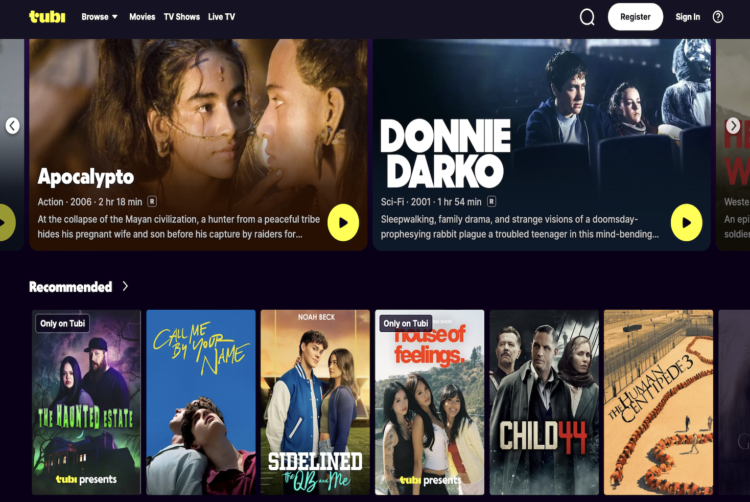
Tubi, the FAST (Free Ad-supported Streaming Television) service, made headlines recently, announcing that it would be the first-ever streamer to launch a native app within ChatGPT, an interesting move that pushes AVOD into AI-driven, conversational environments.
This is an inevitability for the streaming landscape. An integration with ChatGPT helps to solve some of consumers’ biggest gripes with streaming platforms – namely, endless scrolling and the paradox of choice.
With an integration like this, content discovery becomes driven by genuine user intent rather than passive browsing. When viewers ask ChatGPT what to watch, Tubi gains access to far richer, real-time signals, capturing exactly what audiences are looking for, rather than interpreting preferences from scattered clicks.
And this isn’t the only advantage for Tubi. It reflects a broader shift in how audiences interact with digital services. Increasingly, discovery is moving away from traditional app-based navigation towards more conversational, intent-driven interfaces, where users ask rather than browse.
This recent move from Tubi seems to be proof that we are edging closer to that future. And while it certainly offers exciting opportunities, it also presents a set of considerations that must be carefully managed as the model evolves.
The data conundrum
One key consideration is the ownership and accessibility of first-party data. In many AI-mediated environments, insight into user intent may be partially abstracted from content providers. That means Tubi may see what people watch, but not fully understand why they chose it or what influenced that decision.
Insight doesn’t travel
This is a long-standing issue in other industries, too. Online travel agents (OTAs), for example, often don’t fully pass booking and behavioural signals back to hotel operators, which highlights how intermediated platforms can create similar gaps in ownership and visibility.
This also poses measurement challenges, particularly around attribution, where it becomes harder to determine the value each touchpoint in the journey delivers.
Why is this a huge problem? It all lies in the underlying infrastructure. In Tubi’s case, ChatGPT operates through its close partnership with Microsoft, primarily on Microsoft Azure, while streaming platforms are widely understood to run on Amazon Web Services.
When signals are generated in one cloud environment and accessed in another, there’s an added layer of complexity. Ensuring that data flows reliably, securely and completely between these systems becomes critical, and any gaps in that flow could limit how effectively Tubi can leverage its own user data and also use it for cross-platform measurement, particularly as viewing signals become fragmented across multiple environments.
The way forward
It’s evident that this dynamic signals a new phase in how digital ecosystems evolve, one that combines search, streaming discovery, programmatic-style activation and, over time, even connected TV-style inventory.
With that comes many new challenges, including brand safety, as platforms will need to ensure content is surfaced in environments that remain appropriate and commercially suitable for advertisers.
As discovery shifts toward conversational interfaces, platforms like Tubi need to ensure they are not reduced to passive content suppliers but remain active participants in how audience intent is captured, interpreted, and monetised.
This isn’t an impossible feat. However, it will require compromise and coordination across platforms.
The first step is strengthening first-party relationships. In Tubi’s case, this should be with both its direct viewers and AI platforms like ChatGPT, so even if discovery starts in an AI environment, Tubi retains visibility of the viewing journey, rather than losing that insight to an intermediary.
This, in turn, should lead to frameworks around how information is shared and attributed. Without this, media owners will risk losing sight of the full audience journey, making it harder to understand audiences, optimise content and build effective advertising strategies.
The final consideration is differentiation
Tubi may be the first streaming platform integrated into ChatGPT, but it won’t be the last. As this model scales, competition will shift to how platforms are surfaced within AI environments, where the interface itself becomes the gatekeeper.
Success will depend on being the clear first choice when something is recommended, not just being included in its recommendations.
Tubi’s integration with ChatGPT is an early sign of where streaming is heading. However, this pioneering development also sets the terms of the challenge ahead.
As AI increasingly becomes the new front door to content, media owners will need to rethink how they operate within these environments. It’s a fine balance between understanding how far they can do so on their own terms while still maintaining control and value in systems they no longer fully own.
Those that don’t adapt risk losing differentiation.
 Matt Wilkinson is the co-founder and chief commercial officer at AUDIENCES