



Hope, not horror, is where behaviour change happens
Opinion
Those fear-inducing public-service ads don’t work as well as we thought they did. Instead, invite people to believe.
We all grew up with them, didn’t we? Those slightly traumatising public service ads — the ones that seared themselves into your brain and made you think twice about everything from getting into the family car to cooking a sausage at the family BBQ.
For decades, this was the playbook: if you want people to change their behaviour, scare them into submission.
But whilst these campaigns certainly stick in the mind, they don’t always stick where they need to: in behaviour change.
In fact, sometimes they backfire completely — the intended audience shrugs, tunes out or, worse, quietly rebels (younger audiences especially are Olympic-level rebels).
More recent research shows that hope, not horror, is where real change happens. This is demonstrated by a 2022 study into vaccine messaging that found fear could raise awareness, but it rarely shifted behaviour.
Unless you pair the message with self-belief and a clear “what’s next”, people freeze. Or worse — they scroll on.
Hope vs harm
By late 2024, the Office for National Statistics reported that 22.6% of UK adults were experiencing high levels of anxiety. And, honestly, who can blame us? Rising costs, global political chaos, climate headlines — it’s a lot.
Against that backdrop, layering more fear into behaviour-change campaigns risks tipping people from “concerned” into “completely overwhelmed”.
Behavioural science explains why. Fear grabs attention, but it can also trigger disengagement, denial or full-on avoidance.
Hope, by contrast, builds agency. It invites people to believe they can do something — and that belief is half the battle.
Ogilvy’s behavioural science team has been proving this for years. At Nudgestock, they showcased campaigns where trauma-informed, supportive-messaging frameworks consistently outperformed fear-based tactics when it came to lasting engagement.
People don’t like being preached at. Or guilted. Or shamed. They want to feel spoken with, not to. That’s where the longer-term impact lies.
Take Stoptober. It doesn’t shy away from the risks of smoking — we all know the harms are real — but it doesn’t only dwell there, trying to guilt smokers into quitting. It reframes the act entirely: as a fresh start. It celebrates health, wealth and the pride of going smoke-free.
That balance matters. If you only talk about the dangers, people shut down. If you only talk about the benefits, it can feel naïve. It acknowledges the stakes while painting a hopeful picture of what life could look like without cigarettes.
How opaque algorithms are influencing communication — with Lea Karam and Patrick Fagan
Flipping the script
New findings from the Advertising Association show that 44% of UK adults now believe advertising drives positive social change, up 29% since 2021. Among 18-34s, that number jumps to 57%.
The appetite for optimism is clear. The challenge is delivering it without tipping into empty platitudes.
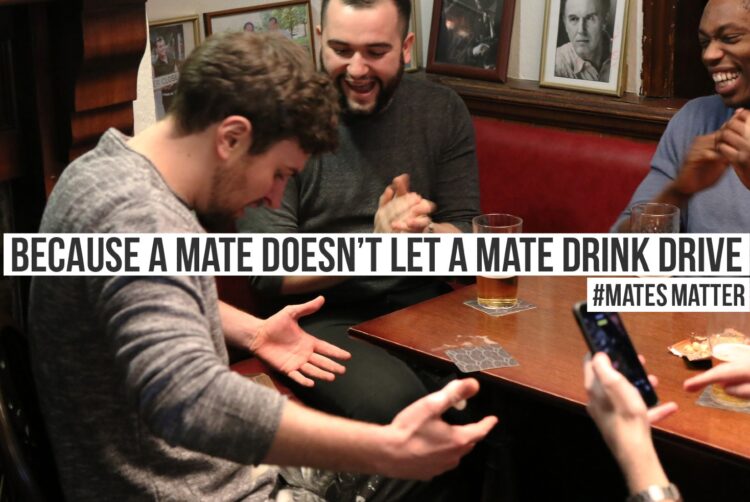
The Think! “Mates” campaign from the Department for Transport gets this balance right. Instead of hammering young men with grim drink-driving statistics they’re likely to disengage from, it taps into something far more influential: peer approval.
With developing brains and strong social pressures, this audience is naturally inclined to resist overly directive messages — a response known as psychological reactance.
Think! uses this insight to its advantage. Research shows young men value being seen as a trusted source of advice within their friendship groups and the campaign leans in to that dynamic.
By flipping peer pressure into a positive force, it encourages safer choices without lecturing or shaming — making the message far more likely to stick.
Highlighting the good stuff
And this isn’t just about younger audiences. Public-health campaigns like the Department of Health and Social Care’s Better Health succeed because they focus on the benefits — more energy, improved mood, longer life — rather than lecturing people about the risks of doing nothing.
Crucially, they also recognise the role of community and provide the practical tools and support to help people make lasting changes.
Axa’s recent “Keep on Kicking” campaign takes a similar tack, showing women of all ages embracing movement and strength, without shame or intimidation.
These campaigns don’t gloss over hard truths; they project a vision people actually want to be part of. And that invitation matters.
From preaching to partnership
Ultimately, the most effective behaviour-change work doesn’t command; it collaborates. It doesn’t guilt-trip; it guides. It shows people a future they want to belong to — and, crucially, makes them believe they can get there.
Positivity isn’t about ignoring harms or problems. It’s about framing solutions in a way that feels human, hopeful and achievable.
Fear wins attention. But hope wins hearts. And hearts ultimately drive action.
 Emily Rich is strategy partner at Wavemaker