



LHF restrictions: How cinema is adapting
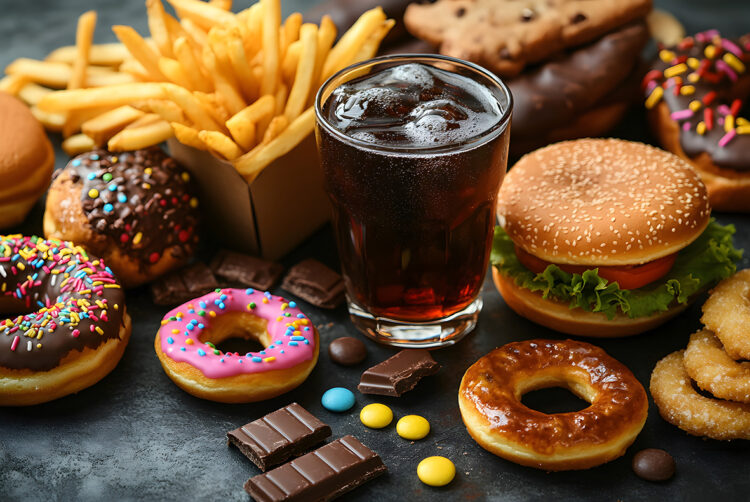
The restrictions banning ads for ‘less healthy foods’ online and on TV before the watershed (between 5:30am and 9:00pm) came into force on 1 October.
However, cinema remains out of the scope of the ban and an LHF product can still be advertised with feature films that achieve a national audience profile of 25% or less under-16s.
These films are confirmed by the CAA (Cinema Advertising Association) using comparative film audience data, and its updated every two months.
Despite this, the CAA, which self-regulates cinema advertising, introduced a measure on 1 October to mandate that LHF brands will be limited to 40% of the cinema advertising reel, which matches the existing limit in place for alcohol advertising.
Analysis: An attractive alternative
With LHF restrictions meaning digital and TV options are narrowed, cinema offers a compliant, high-attention and high-impact space for LHF brands.
There is no time-of-day restrictions for this medium, and aside from restricted films, brand and product advertising is still allowed.
However, to ensure cinema remains an accountable channel that prioritises its audiences, balance is required.
Davina Barker, sales director at Digital Cinema Media, says: “On the one hand, we’re exempt from current legislation, but on the other, we have a genuine responsibility to look after our audience.
“Cinemagoers skew young and we arguably have the most captive and attentive viewers in media. We expect planners to up send, but the last thing we want is to become an LHF dominated space.”
Barker highlights the firm 11-minute ad reel which has been in place for more than a decade.
“It’s vital that we maintain a balance of content,” she adds.
Barker further underlines this is the reason why the CAA took a proactive stance on the 40% cap on LHF brands advertising in pre film reels, arguing, “self-regulation is key to protecting our audience and maintaining trust.”
Clare Turner, chief commercial officer, Pearl & Dean echoes this: “By introducing a 40% cap on Less Healthy Food & Drink advertising, we’re ensuring that cinema remains a balanced and responsible channel while still offering brands the chance to harness the unique impact of the big screen.”
To the big screen
With cinema being a medium that is outside of the scope of restrictions, planners will assess it in allocating budgets.
However, Barker underlines how it is not as simple as shifting from TV and display to other mediums.
She says: “There are still ways of getting brands on screen without directly advertising LHF products, so I think we’ll see greater creativity in both content and placement.
“What’s really important is collaboration between media owners and planners. The closer we can work together, the easier it will be for planners to navigate the legislation and advertise effectively.”
Despite the requirement of careful planning, Barker identifies there had been “a notable uptick in interest” from LHF brands considering cinema.
“It’s peak season, Christmas is around the corner, and we’ve still got Wicked and Avatar to be released,” she concludes.
Cinema’s continued value as a channel can be reflected in the announcement that the CAA has committed to integrate cinema data into Isba’s cross-media measurement platform, Origin, by the end of 2026.
The official legally enforceable date for restrictions banning ads for ‘less healthy foods’ is 5 January 2026.