The restrictions banning ads for ‘less healthy foods’ online and on TV before the watershed (between 5:30am and 9:00pm) comes officially into force in January 2026.
Publishers will need to shift focus onto brand-only advertisements, with the “Countdown to October 1” campaign from the Advertising Association, Isba, the IPA and IAB UK, confirming brand advertising was outside the scope of the ban.
However, despite the impact, the ban has had for online and the need for publishers working with LHF brands to amend strategies, the restrictions are creating opportunities for publishers with print titles and who have multiple platforms.
Analysis: A new moment for other channels
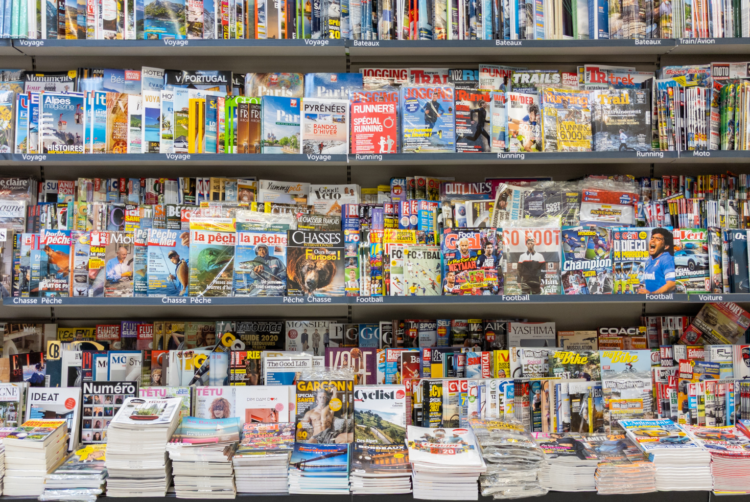
In the wake of limited options, LHF brands seeking new placements has meant print titles have had more opportunities.
Cath Waller, Professional Publisher Association (PPA) Magnetic chair, MD advertising Immediate, echoed this: “The LHF restrictions are actually creating new opportunities for print titles in our sector, where scaled reach and high engagement continue to deliver real impact for advertisers.
“Iconic festive issues of trusted editorial brands such as Radio Times, TV Times, Stylist and Good Housekeeping are proving especially powerful environments for in-scope products.”
Arguably, the restrictions have put publishing back on the agenda for advertisers who are waking up to the medium’s reach, impact, high attention levels and high-performing ROI.
Jo Coltman, director of retail, Mail Metro Media, says: “We’ve seen a resurgence in interest in print from advertisers, including many new to the medium.
“Our multi-platform offerings spanning audio, digital, video and social products are also seeing greater demand, as impacted brands shift strategies towards more brand-building activities.”
Publishers with multi-platform businesses are also reporting growth across other channels out of scope under the ban, including podcasts and live events.
The growing consensus among brands to be part of communities and mediums where people choose to engage means LHF brands can benefit from this consumer behaviour shift.
Rob Biagioni, CEO, Time Out Media, says: “As tighter advertising regulations reshape how some brands can show up, we’re seeing a real shift towards experiences that people actively choose to be a part of.
“In a landscape where traditional routes are narrowing, creating something people feel, remember and talk about is the most powerful form of marketing there is.”
Publishing’s agility
Issues such as price inflation around channels included in the ban pose an additional layer of complexity for brands to navigate.
Coltman underlines: “These advertisers need agile media partners who can respond to frequently changing prices with speed and flexibility, which is one of our USPs.”
The adaptability of publishing, along with its engaged and loyal audience bases, is what makes it an ideal alternative for LHF brands to focus on.