



Sports marketing has a platform problem, not an attention problem

Opinion
Dom Mernock, director at specialist marketing agency Engage, explores the world of sport marketing and how an evolving approach is the only way to truly ensure meaningful fan engagement.
Traditionally, live sport has been a guaranteed marketing safe space – mass live audiences, predictable reach, cultural moments that capture huge attention. If marketers need scale and opportunities for brand engagement, live sport has long been the answer.
The main pitfall for marketers working on behalf of a sports organisation or brand is focusing solely on live performances. If the only engagement is directly linked to an event or game, the commercial value resets as soon as the game ends. The audience was borrowed, not built.
To unlock repetitive brand engagement and build a loyal base, marketers must understand the behaviour shift and role across different platforms.
Now more than ever, viewers are watching highlights on TikTok, following athletes on Instagram, engaging across fantasy league platforms and debating on platforms such as Reddit.
The interest in sporting events is still prevalent, but it’s now fragmented across platforms rather than in one large burst. Fantasy Premier League now has more than 12m players and doesn’t rely on matchday interest; a habitual, logged-in engagement opportunity has been created across the full season.
The implication is clear – marketers need to consider activation beyond large-reach moments, such as the Super Bowl, and instead focus on harnessing existing audiences and moving them into environments where they can be retargeted.
Shifting audience trends
Digital-first fans often encounter sport in short-form, social media environments. The challenge is turning casual attention into a relationship. How do you guide fans from social discovery to registration, membership, or active participation?
If the future of sports marketing is pinned on owned relationships, rather than rented reach, the most important work is often not a campaign. It is infrastructure.
That’s the thinking behind our work with Motorsport UK, the governing body of four-wheeled sport. With 60,000 members spanning grassroots clubs to elite competition, the challenge is not a lack of passion but how that passion is engaged, surfaced and sustained digitally.
For organisations like Motorsport UK, the website is not a shop window but the operational core of the sport. It issues licences, communicates regulations, supports volunteers, connects clubs and provides a front door for prospective participants.
It is where attention needs to turn into action. The opportunity is not simply to modernise the look and feel; it’s to rethink the platform’s role in the ecosystem.
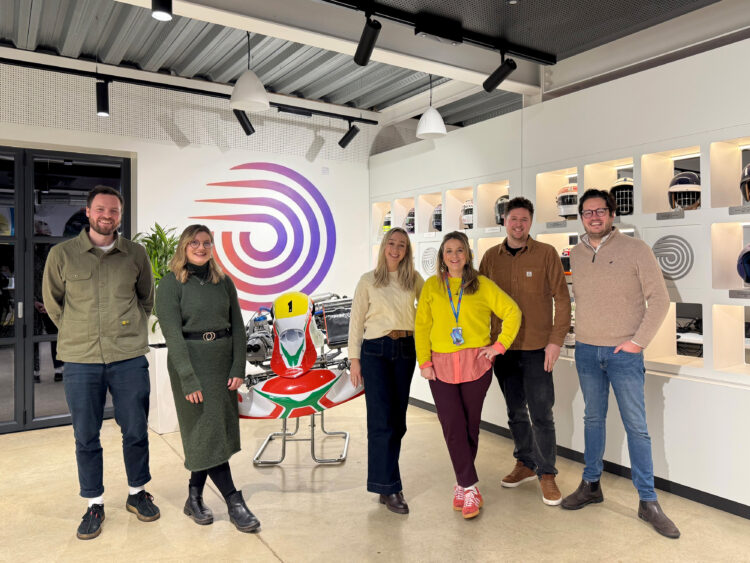
Further questions for marketers include: How do you make membership more appealing? How do you make pathways into participation clearer? How do you balance heritage with accessibility to inspire new, more diverse audiences? These are the questions that drive sustainable growth.
The answer? A more accessible, member-centred platform that focuses on activation and offers something exclusive that builds loyalty and re-engagement.
Long-term growth depends on something structural – building platforms and apps that promote participation year-round. An impression might spike during a major event, but a membership renewal, licence application or returning volunteer tells you something far more valuable.
Turning moments into membership
Long-term growth in sport marketing will not be driven by bigger broadcast peaks. It will be driven by the quality of the spaces built for audiences – engagement now grows across a digital ecosystem.
When Wimbledom, in partnership with IBM, evolved its online platforms to offer match insights, deeper statistics, and tailored content that extended the fan experience beyond the court, it created strategic value in an environment that fans actively chose to return to.
As organisations invest in platforms, apps and websites designed around participation, rather than promotion, engagement becomes second nature. A fixture might spark fleeting interest, but a member portal, fantasy league, club hub or exclusive content space converts that attention into belonging.
This is the structural shift facing sports marketing in 2026. The question is no longer how to maximise reach around live moments – it is how to build owned environments that turn fleeting interest into long-term relationships.
For governing bodies, rights holders and brands alike, the focus is clear – create a digital space that rewards contribution and encourages commitment.
 Dom Mernock is the director at Engage