



Streamers to come under stricter regulation in UK – but does it go far enough?
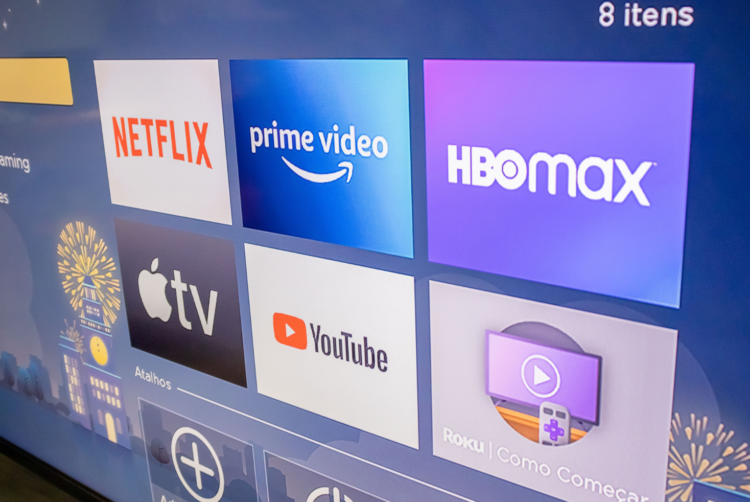
Streaming platforms and public service broadcaster (PBS) video-on-demand (VOD) services like ITVX and Channel 4 are to come under “enhanced regulation” by the UK media regulator, Ofcom, making them subject to the same scrutiny as traditional broadcasters such as the BBC and ITV.
The likes of Netflix, Disney+ and Prime Video will have to adhere to regulations on accurate and impartial news and on protecting audiences from harmful or offensive material.
Viewers will be able to make complaints to Ofcom over any content they believe is inappropriate, and the regulator has the powers to impose fines of up to £250,000 or 5% of revenue generated in the UK for each breach.
Until this point, streaming services have not been regulated to the same level as traditional, licensed TV channels, and Netflix has not been regulated in the UK at all, as its European headquarters are in Amsterdam.
These new regulations are being implemented as part of the Media Act 2024 and will apply to video-on-demand service which have more than 500,000 UK viewers, which will be designated as “Tier 1” services.
The regulations are designed to reflect how TV is consumed, with two-thirds of UK households now subscribing to at least one of Netflix, Amazon Prime Video or Disney+.
Culture secretary, Lisa Nandy said: “By bringing the most popular video-on-demand services under enhanced regulation by Ofcom, we are strengthening protections for audiences, creating a level playing field for industry and supporting our vibrant media sector that continues to innovate and drive growth across the UK.”
While the regulation will be a welcome leveller for traditional broadcasters, the question is whether it is too little, too late and whether it goes far enough.
Analysis: Levelling the field
The regulation undoubtedly creates greater fairness between streamers and traditional broadcasters, as streamers had previously been exempt from this kind of scrutiny.
It also marks progress by the regulator in catching up with viewing habits.
As media analyst Alex DeGroote outlined: “You can’t have one rule for one subset and one rule for another.”
It will also force streamers to bring in-house competition and regulatory counsel, which may mark the extent of the impact.
This is because the rules around impartiality and accuracy are traditionally siloed to news content, which isn’t typically streamers’ bag.
They are generally more interested in content that fuels the algorithm, which tends not to cover news.
DeGroote also highlighted: “People who work within media think that streaming is three to five years ahead of the regulator, and consumers are also years ahead of the regulator.”
Happy advertisers
Although not much may change in terms of content for streamers, for advertisers, the new regulation may tie up loose ends.
“It’s a good hygiene factor,” DeGroote said, outlining how advertisers will be a lot happier now that all the channels are equally regulated.
It means issues around brand safety are less likely to occur and creates an extra layer of security.
The YouTube hole
Popular platforms like YouTube and TikTok were not mentioned within the regulations, raising concerns around a potential gap.
Ofcom considers these “video-sharing platforms” (VSPs) rather than traditional or curated on-demand broadcasters.
They are primarily regulated under the Online Safety Act 2023, which focuses on user safety, illegal content, and protecting children, rather than on editorial content standards introduced by the Media Act 2024.
However, these platforms are increasingly being used among younger demographics for news consumption.
An Ofcom report from 2024 found Instagram, YouTube, Facebook, TikTok and X comprised as the top five news sources used by 16-24-year-olds.
For 12-15-year-olds, TikTok was the most-used single source of news across all platforms, followed by YouTube, Facebook and Instagram.
Therefore, omitting these platforms from editorial standards creates a “gaping hole” in regulation, given their prominence among younger generations for news consumption.
YouTube also claims to be TV and wants a share of the advertiser pie.
Ian Whittaker, media analyst highlighted: “While the lack of enhanced regulation gives YouTube flexibility, it may not help its ‘YouTube is TV’ case.”
This article has been updated with comments from media analyst, Ian Whittaker.