



The algorithm is rewriting your creator brief
Opinion
Algorithms are today’s casting directors, so offer them better auditions. Use the ‘Hook → proof → trust’ formula to find the right people for your brand.
If your creator plan starts with the biggest name you can afford, you’re already behind.
Gen Z’s obsessions are now cast by algorithms, not advertisers, and the winners are insider voices who feel “for us, by us”.
Last year, I opened TikTok “just to check a notification” and somehow surfaced four hours later deep in glow-in-the-dark slime. I’d gone in to find a Christmas present for my niece; I came out pricing neon glue for myself. I didn’t pick slime. The feed did.
It turns out I’m not unique. In a UK study we ran with just under 1,500 Gen Z, 72% told us their latest obsession found them. Not through search. Not through their friends. Through the feed.
That’s the first uncomfortable truth for marketers: social isn’t especially social any more.
Platforms now mine a global pool of clips and reward whatever makes you hesitate. If you pause for two or three seconds, the machine reads: “More of this.” Then it floods you with near-matches. It’s a media marketplace that optimises for the fastest emotional click, not who you follow.
‘Misaligned expectations’ between brands and influencers hamper creator economy
3-step route
Inside those rabbit holes, the voices that move people aren’t always the biggest. They’re niche-feeling insiders: creators who speak the community’s language and make you feel included.
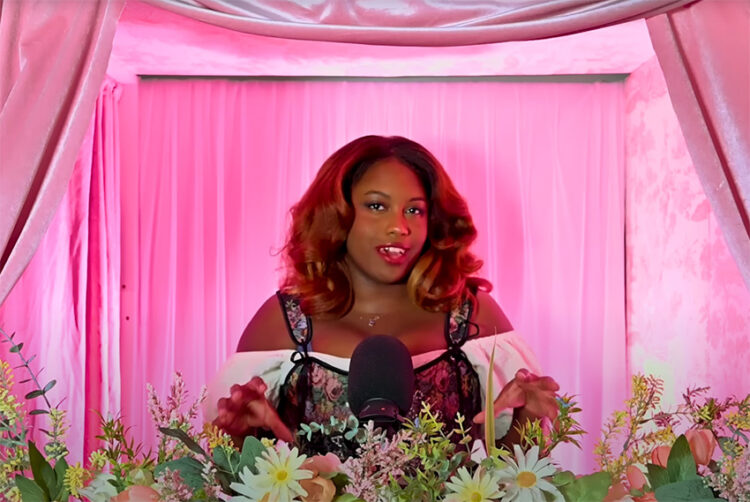
Think Miniminuteman making archaeological history feel like a scoop; Shanspeare unpacking social issues in Elizabethan costume; Becca’s Journey to Health cooking everyday food with her hubby Big Simon, ensuring people feel no shame in an Iceland-style dinner.
Meanwhile, many of the megastars of the last few years are still broadly loved, yes, but not niche-feeling; anyone can “get” their content at first glance.
This matters because hyper-engagement and, indeed, action tend to follow creators who generate insider energy rather than broad familiarity.
Across hundreds of responses and real campaigns we analysed, the same pattern kept appearing. When something takes off, it tends to travel a simple three-beat route:
• Hook: A quick emotional spark. You watch content that gives you a laugh, a gasp or a “that’s so me” moment that buys you three seconds.
• Proof: Context that makes it make sense for this audience (a quick example, outcome, comment thread, lived experience or stat). It’s not just demos; it’s context that lands.
• Trust: An insider voice giving the cultural nod in their own style. You can sell trainers, recruit nurses or mobilise voters with the same rhythm.
The trick is to cast by job, not size: an entertainer to win the pause, a contextualiser to show relevance and an insider to seal belief.
Can brands become influencers? With Jungle Creations’ Melissa Chapman
Machine logic
Once you see that pattern, a lot of today’s confusion falls away. We argue less about reach versus resonance, long form versus short form or macro versus micro — and we start casting by job.
Who’s our entertainer to stop the scroll? Who’s our contextualiser to make it make sense in real life? Who’s our insider to seal belief?
There’s a practical reason this works. Algorithms allocate attention. They reward content that triggers a fast click (that gut “ooh, this is for me”), sustains repeat exposure (rewatches, saves, comments) and earns credible validation (from people the audience already trusts).
“Hook → proof → trust” is simply the human version of that machine logic — and it’s much easier to brief than “go viral”.
Implications for brands
What does this mean for brands in plain English?
Stop casting by follower count. Size is not a strategy. A big name can be perfect for “hook” but often the “trust” beat belongs to a creator who feels from the inside, even if they’re smaller.
Commission creators by role. An entertainer to win attention; a contextualiser to show usefulness; an insider to give the cultural nod. One creator can do two jobs, but skipping a job usually leaks momentum or credibility.
Map to real moments. Pick two or three “entry moments” in your category — pre-match fuel, desk to gym, late-night study — and place each role where it’s most natural.
Measure the right thing at the right step. Don’t ask a three-second “hook” to drive sign-ups. Track a “hook” on holds and reach; “proof” on saves, comments and click-through rate; “trust” on code use, sign-ups or branded search.
Most of all, you’ve got to sound like the room you’re entering. Insider creators aren’t valuable because they’re obscure; they’re valuable because they’re fluent. They translate your brand into a dialect the community hears as “us”, not “them”.
News, analysis, comment and community — Join The Media Leader
All about the feed
This doesn’t mean abandoning big creators or long-term stars. It means contextual fit first. A beta squad-scale name can deliver a brilliant “hook”; someone like Shanspeare or Miniminuteman is often stronger at “trust”. Cast accordingly.
Marketers have always chased culture. The shift now is who does the casting. If algorithms are today’s casting directors, our job is to offer them better auditions: creative that sparks feeling, shows its working and earns the nod from people who live in the subculture we’re trying to reach.
I didn’t intend to care about slime, but the feed made a persuasive case. Your category has its own version of glow-in-the-dark glue.
The brands that find it — and staff their creator work by “Hook → proof → trust” — won’t just get attention. They’ll belong.
 Hayel Wartemberg is co-founder of Word on the Curb