



CMA requires Google to let publishers opt out of AI search results
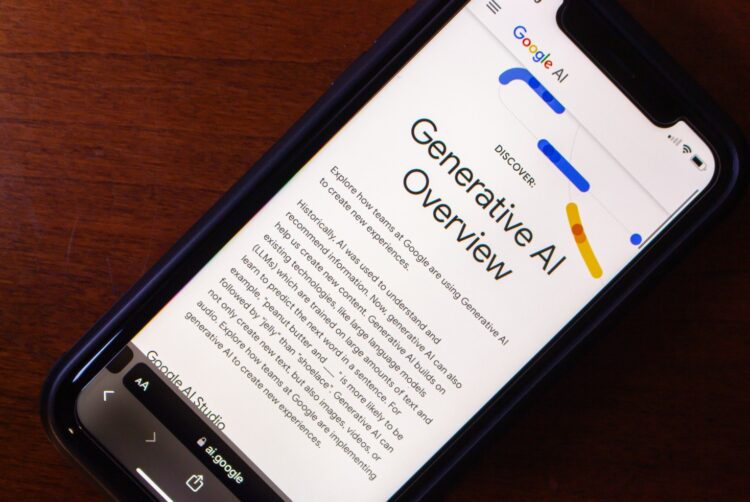
The UK Competition and Markets Authority (CMA) has imposed new conduct requirements for Google Search, compelling the tech giant to allow publishers to opt out of their content being used to power AI features.
Google is also now required to ensure that publisher content is “properly attributed, using clear links, in AI-generated results”.
The company will have nine months to implement the changes, though the CMA indicated it “expects important parts of the controls to become available to publishers well before that deadline”.
Google will also be required to submit and publish regular compliance reports to the CMA every six months for the first year.
The requirements, announced this morning, are the first of their kind globally. It comes just weeks after Google took steps to further revamp its traditional search experience to eschew the “ten blue links” format in favour of more prominent AI search features in response to queries.
Publishers have warned the changes to search would make it even less likely that users will click on links. Referral traffic from Google Search has already plummeted over the past year-and-a-half following the introduction of Google’s AI Overviews and AI Mode search features, placing independent publishers at risk and causing publishers to strategise for “Google Zero”.
At WAN-IFRA’s World News Media Conference in Marseille this week, New York Times publisher AG Sulzberger warned journalism is facing its “Napster moment” as AI companies have infringed upon publishers’ copyright by scraping websites for content without permission, resurfacing that content in AI search results that do not incentivise traffic back to publishers.
“Getting a Google user to click on a link is ten times harder today than it was a decade ago,” he said.
Publishers advised to be ‘niche at scale’ amid the winding road to Google Zero
The CMA’s conduct requirement applies to Google’s announced changes to search, though the regulator committed to “bring forward work on further measures” if needed in order to “ensure a fair exchange of value between Google and publishers”.
The conduct requirement is made possible by a previous decision, made in October, to designate Google with strategic market status following an investigation, allowing the CMA to introduce targeted rules aimed at curtailing Google’s dominance in the search market.
“With features like AI Overviews rapidly reshaping online search, it is crucial that content publishers, including news organisations, have appropriate bargaining power over how their content is used. At the same time, these measures will help tens of millions of UK search users better understand and trust the information presented them,” commented CMA CEO Sarah Cardell.
“It’s also important that any action we take in this space can move with the times. Google has recently announced changes to its search business and the requirements we’ve introduced today are designed to respond to what Google is doing now and in the future,” she continued, previewing the CMA is also set to announce “further action in relation to Google’s search business in the coming weeks.
Theo Bamber, CEO of news media trade body the News Media Association (NMA), expressed optimism over the CMA’s decision.
“UK news publishers produce some of the most valuable content in the world, but until now dominant platforms like Google have been allowed to dictate the terms of how that content is used,” he said. “The legally enforceable conduct requirements for Google Search published today are a significant step towards levelling the playing field and building a fair, transparent digital economy where premium content is properly respected and fairly compensated.”
However, Bamber warned that the success of the rules rests on their ability to be implemented and enforced, as well as the potential need to adapt and strengthen the rules should they be ineffective or if Google makes further changes to its AI search products.
“It’s the job of the CMA to make this happen, but it needs strong and consistent political support,” Bamber continued. “Only then will we see meaningful progress towards a system of fair and reasonable payment for publisher content which is crucial for the future of high-quality journalism.”
In contrast to Bamber’s positive sentiment, Tim Cowen, the co-founder of Movement for an Open Web (an organisation which filed a legal complaint against Google’s AI Overviews last July) expressed disappointment over the timeline set out by the CMA to enforce the conduct requirements.
“The obligations will come into effect only in six months, rather than immediately as in previous cases, and Google will then have nine months to implement, subject to a six-monthly review by way of monitoring thereafter, but for the first year only.
“This means that a harm started over three years ago, and has been allowed to go unremedied, will continue to be unremedied for another nine months — and we will not know whether compliance has been effective until late 2027.
“This is not an effective remedy nor, given Google’s history of non-compliance with remedies in other cases, is it likely to be effective in practice.”
Cowen added a stark warning: “In a year the majority of independent publishers could be gone. Regulation needs to move at the speed of digital and this decision is not fit for purpose.”
New York Times publisher warns journalism faces its ‘Napster moment’
Editor’s note: This article has been updated following publication to include further comment from Movement for an Open Web.