



Left on read: Meta wants brands to message people on WhatsApp. Can they do it without annoying people?
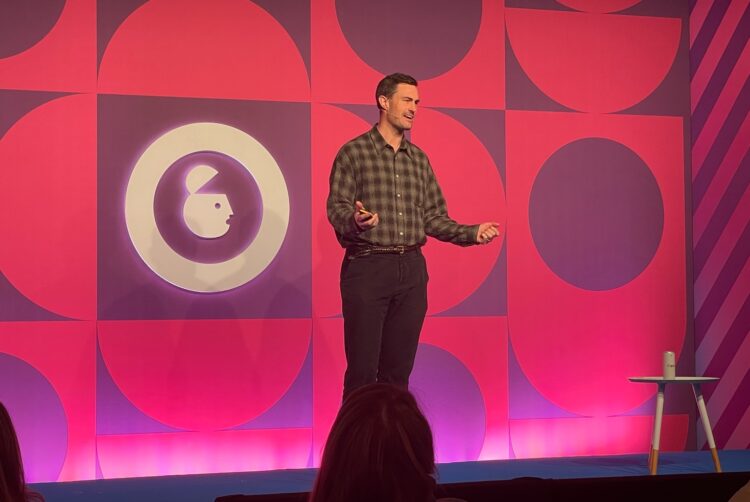
Creativity has not been invited to the chat.”
At Advertising Week Europe in London earlier today, Meta’s head of creative strategy for the Nordics, Rich Kivell, warned that brands are treating WhatsApp as a “utility pipe” rather than “a canvas for expression”.
Over the past year, Meta has begun pushing brands and advertisers more aggressively to engage with WhatsApp. The tech giant officially launched advertising on the messaging service last June.
While paid ads are currently limited to WhatsApp’s Updates tab and are not shown in the same area of the app as users’ private chats, business accounts can privately message users.
Meta segments business messaging efforts into four types: marketing messages (aimed at brand building), authentication messages (passcodes), utility messages (status updates for purchases) and service messages (customer service).
According to Meta’s UK country director, Shruti Dube, the number of businesses using these features doubled year-on-year last year. Kivell also claimed that 1bn people now message a business on WhatsApp every week, equivalent to about one-third of the platform’s monthly active users globally.
However, it’s not clear how these figures are audited, nor whether these conversations amount to effective marketing efforts.
Businesses also might not be hitting the mark creatively. As Kivell noted, private messaging is a “deeply personal space”. Traditional rules around brand communication must therefore be adapted to develop a relationship with users without being irritating or bombarding them with marketing messaging in a space generally reserved for private conversation. For Kivell, that means leaning more heavily into personalised messaging tactics.
Three steps to a ‘natural rhythm’
The appeal for marketers is obvious. People are constantly discussing purchasing habits, coordinating plans, and chatting about cultural moments with friends and family, and brands would undoubtedly be eager to be part of those conversations.
As Kivell argued, brands want to “think about how they can originate in culture, in chat.”
He offered advice to brands seeking to improve their creative efforts in direct messaging on WhatsApp. The “natural rhythm” of conversation, he explained, follows three steps: an introduction, developing a connection, and “keeping the chat alive”.
For introductory messages, Kivell advises brands “anchor your strategy in consumer motivators” by appealing to users’ desire for value or their personal interests. He suggested tweaking the marketing copy from other social platforms to make it appear less “functional” and more “personal”.
Kivell also suggested that brands be up front about whether the conversation is being run by an actual human or an AI agent.
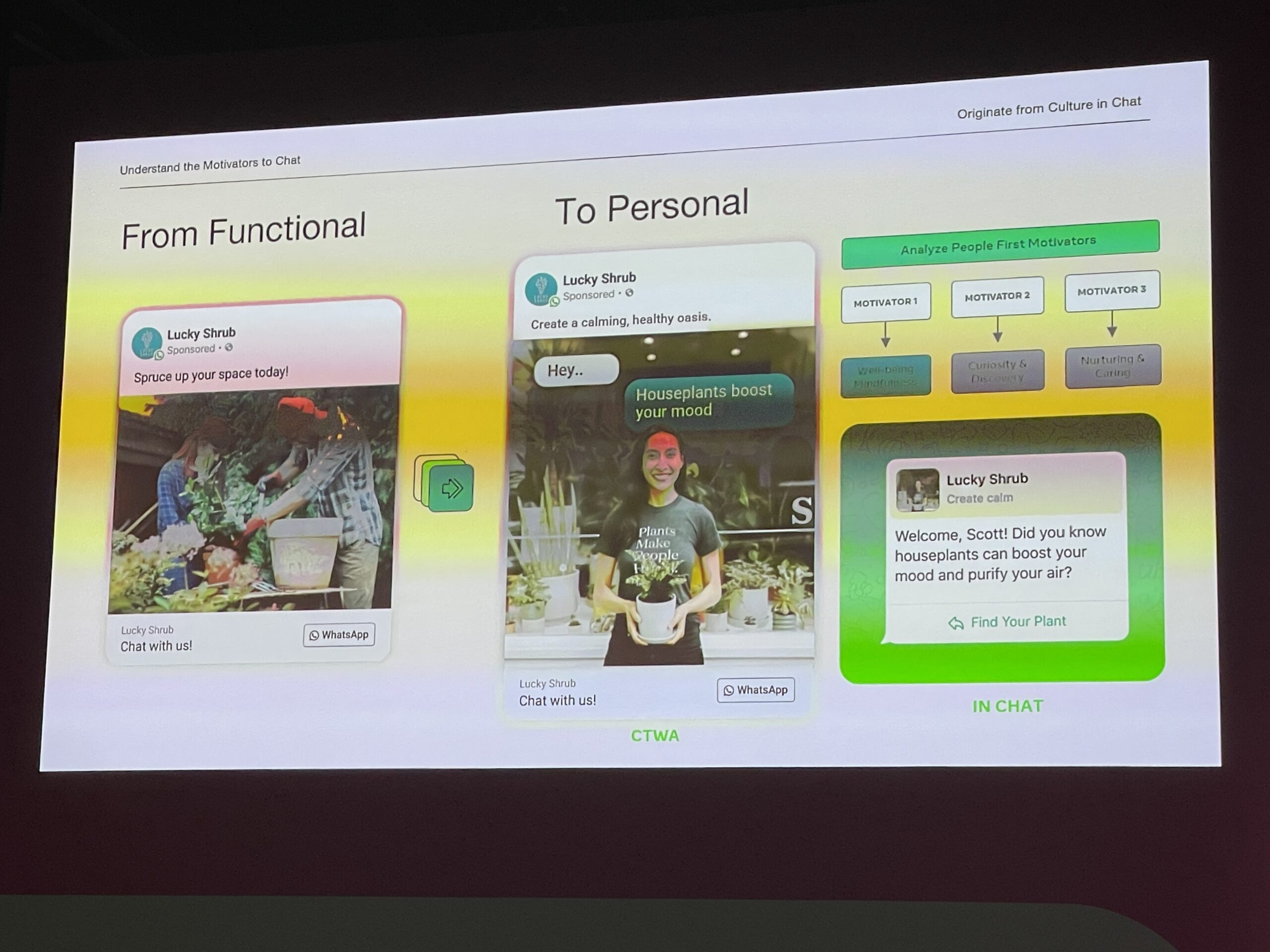
Kivell likewise recommended that brands “elevate” utility messages by adding videos or GIFs to “warm up” the conversation.
Going “beyond the plain text” was suggested as general advice to “create a connection” with users. Brands that send walls of text, Kivell said, “get left on read”.
Instead, Kivell recommended that brands “try to be authentic” by engaging with meme culture, defining visualessages, collaborating with creators to produce videos, or even leaving users voice notes to the platform shorthand for m to “leverage the power of audio branding”.
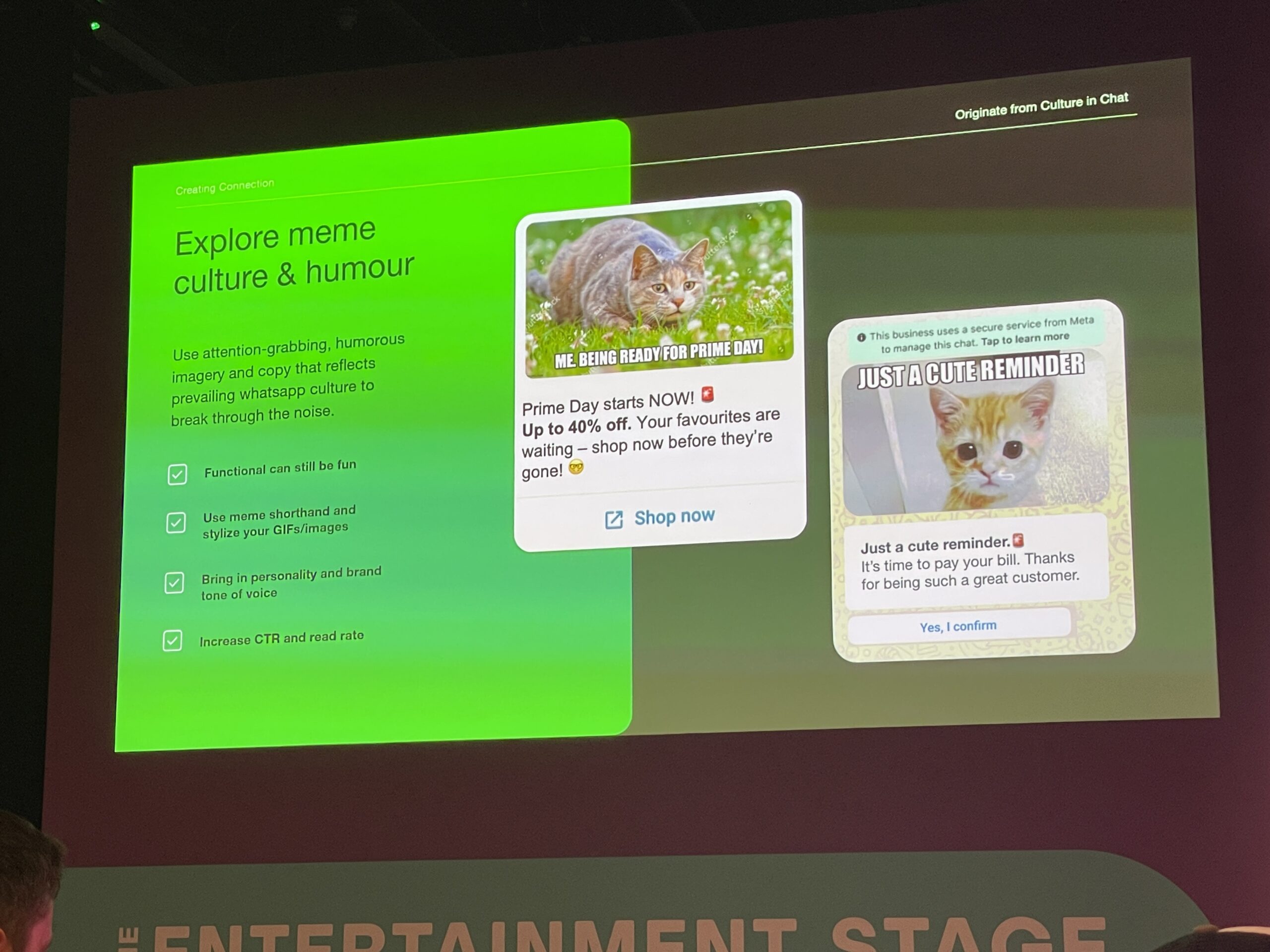
A similar strategy can be used to “keep the chat alive” by avoiding “long monologues” in favour of sending useful information, particularly if it can be done within the first five lines.
“Be like a concierge, not just a billboard blasting out sales messaging,” Kivell advised. Doing so, he suggested, allows brands to “evolve the funnel model” by reengaging with users throughout a consumer journey, including discussions with friends and family about purchase plans or habits.
Analysis: Is this for consumers, or for marketers?
According to Ofcom’s latest Online Nations report, WhatsApp is the top messaging app in the UK, with 90% penetration among online adults and 74% of the online population using it daily.
A Meta-commissioned study presented by Kivell, meanwhile, concluded that three-quarters (75%) of online adults said they want to communicate with businesses in the same way they communicate with friends and family.
Still, whether users are open to receiving unsolicited brand messaging is an open question. Some services, such as utility and service messages, are more likely to be welcomed, given they meet direct consumer needs. Random marketing messaging, even if targeted and done creatively, might be seen as a betrayal of a private digital space.
That said, Meta’s dominance in the UK messaging app market gives it the ability to experiment with monetising WhatsApp. While the app arguably lacks a “moat” given the large number of competitor messaging services, such as iMessage and Signal, use of messaging services is generally “sticky” given users tend to avoid switching services and losing conversation histories.
However, Meta’s WhatsApp push with advertisers comes amid a lawsuit filed by an international group of plaintiffs that alleges the tech giant has made false claims about the privacy of WhatsApp’s chat service.
Meta has marketed the app as end-to-end encrypted, meaning messages are accessible only to the sender and recipient, not to Meta employees. The higher degree of trust this conveys, ensuring messages are truly private and not used to feed personal data to advertisers, is key to the appeal of WhatsApp, as it is with iMessage and Signal.
The lawsuit claims that Meta’s claims of privacy are false, and that Meta and WhatsApp “store, analyse, and can access virtually all of WhatsApp users’ purportedly ‘private’ communications”. Meta has called the lawsuit “frivolous” and the claims “categorically false and absurd.”
Last week, Meta also dropped encryption for direct messages on Instagram.
IAB Upfronts 2025: Meta makes the case for business messaging through WhatsApp