



The future of media belongs to those who buy responsibly
Opinion
Trust and responsibility are not the same thing, but one cannot exist without the other. We must plan, buy and measure media in ways that align with our brand’s values, reflect our audience’s world and respect the platforms and publishers that shape culture.
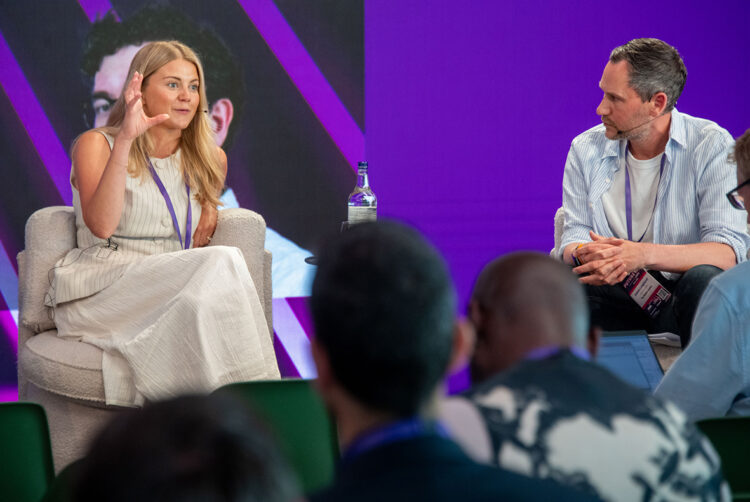
In June, I had the pleasure of joining The Media Leader‘s panel centred around trust in media, alongside some brilliant minds from the industry. Much of the conversation rightly focused on trust in traditional British media but, in today’s ever-changing media landscape, that’s only part of the story.
Traditional media outlets like press, OOH, TV and audio still matter enormously for reach, context and brand integrity. But it’s no secret that Gen Z increasingly consume culture and news through social media. With this shift comes a profound change in where trust is placed and why.
In fact, an audience comment in the final seconds of our panel discussion stuck with me: “The problem with trust is that we have too much of it.”
The more I thought about it, the more it rang true. According to the Royal Television Society, Gen Z are 68% more likely to trust a friend’s social media post than the BBC. That’s an insane shift. My dad still sits down for the 6pm BBC News every evening. But my nieces? They trust their favourite YouTube creator.
As the media landscape changes, so too does the conversation around trust. Consumers today don’t just want to be chased around the internet by ads; they want to know that the brands they support are acting responsibly wherever they appear.
And this is why we need to be crystal clear: trust and responsibility are not the same thing, but one cannot exist without the other. Trust is what we earn and responsibility is how we earn it.
C4 CEO: Social platforms should give ‘algorithmic prominence’ to public-service media
Responsibility as path to trust
Too often, our industry treats building trust like it’s a campaign KPI. But trust isn’t just another campaign metric — it’s the outcome of showing up responsibly, consistently, credibly and with respect for both audiences and environments.
Responsibility is the lever. It’s how we plan, buy and measure media in ways that align with our brand’s values, reflect our audience’s world and respect the platforms and publishers that shape culture.
And although it’s hard, this requires asking tougher questions. Are we supporting values in media that align with our corporate values? Are we backing credible, diverse and inclusive journalism? Are we applying ESG principles to media planning with the same rigour we bring to our products or supply chains?
Because “responsible media” can no longer just be about compliance, brand safety or the frequency cap on your campaign. Those matter, but so does social impact, sustainability, DEI and ESG alignment.
Take Giffgaff — a brand rooted in responsibility. Last year, it launched a “responsible marketing manifesto” because it’s not just about what it is doing at a corporate level, it’s about what it is doing in its marketing too.
Responsibility drives performance
This isn’t all a pipe dream at the expense of performance outcomes. Responsible media is an undeniable lever for growth.
I see it every day in the work I do. Our proprietary ESG measurement tool, GoodIQ, has analysed billions of impressions and consistently found that the more responsibly brands place their digital media, the better their performance KPIs — from brand uplift to attention to improved econometrics.
Big global brands have figured this out. They’re using responsible media as a means not just to build trust but to drive sales, and they’re laying the groundwork for long-term relevance among younger generations. Unsurprisingly, consumers have more trust in them too.
News, analysis, comment and community — Join The Media Leader
Big Tech is not the enemy
We have to be realistic in this conversation and Big Tech isn’t going anywhere. Social platforms, AI-curated feeds and hyper-personalised targeting, like it or not, are foundational to any media plan and modern advertising.
The idea that brands can simply walk away from these platforms feels unrealistic. Instead, brands need to be more intentional.
This comes from demanding transparency on where your spend is going, prioritising platforms that are accountable in tackling misinformation and harmful content, and investing in the publishers and creators that bring real value to people, culture and planet.
It’s not about boycotting the system; it’s about buying more responsibly within it.
A responsible focus for modern media
Trust and responsibility may not be the same thing but, in today’s media ecosystem, they are inextricably linked. Trust is no longer a standalone brand asset; it’s the price paid for making responsible choices, made consistently over time.
Where to start? Look at your brand’s values, its ESG reports and what it is driving at the core of its business. Be prepared to ask difficult questions and really get under the skin of where your investment is going. You do not have to be perfect, but you do need to get started.
The brands that embrace this, the ones that see responsibility not as a cost to their business but as a catalyst for growth, will earn trust, drive performance and remain truly fit for the future — whatever that may hold.
 Charlotte Liddell is director of commercial at The GoodNet and a member of The Media Leader’s The Future 100 Club