



The advantage of an affinity
Opinion
Brands that go more ‘Brat’ by overservicing a core audience may just find the affinity that cuts through a fragmented media world.
There’s a Ricky Gervais clip currently doing the rounds in media planning circles. In an interview on The Romesh Ranganathan Show podcast, Gervais discusses his latest role as marketing manager at Dutch Barn Vodka.
“I did some adverts,” he says, breezily, “but then I found out the real deal was getting people to subscribe, getting fans… You can do the scattergun approach, spend millions, but it doesn’t convert.”
Media planners watching perhaps felt something akin to the winemakers of Provence when the first lorryloads of Kylie’s rosé trundled out of the region. Gervais, after all, has 13.8m followers on X and another 5m on Instagram. The largest commercial TV spot this week will have approximately 3.3m impressions. It might be more surprising if his fan-based approach didn’t work.
But Gervais has neatly distilled (pardon the pun) what is a well-trodden approach for entertainment campaigns. Which is to forget grand, mass-reach broadcast channels to build reach and instead, overservice a core audience through a carefully choreographed mix of paid and owned media, then watch as the earned media rolls in.
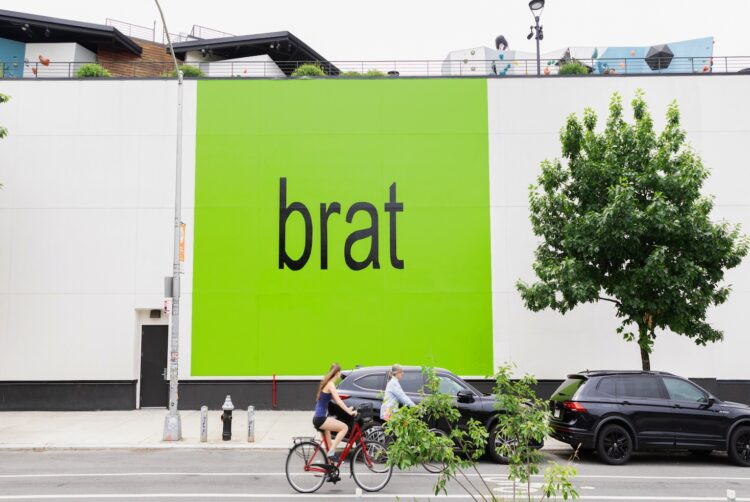
Charli XCX had an entire meteorological season named after her album when Brat was released. At the heart of that campaign lay a series of ‘Brat walls’ (murals, billboards, and, in the case of London, lighting up the Eye) which fans sought out and eagerly followed for updates. Crucially, Charli herself fed the obsession. Posting, posing, and validating each new wall as it appeared.
What is new is that this logic has now escaped the velvet rope of showbiz and wandered into the world of brand marketing.
Two of last year’s big Cannes Lions winners, Vaseline Verified and Skoda Redditor Edit, were built on the same principle: lavish attention on a small, highly engaged group, and let their enthusiasm do the heavy lifting. Both brands still leaned on broadcast media, but their strategy acknowledged a central truth of modern media: everything is fragmented.
Fragmentation means single, glorious hits of scale are increasingly rare
The average ratings of the top 10 commercial shows on linear TV continue to slide, not new news. In 2023, Ofcom reported that the number of programmes attracting more than four million TV viewers had halved over the previous eight years, resulting in fewer opportunities to hit everyone everywhere all at once.
Media fragmentation also means culture itself forms differently. Where once a small number of media gatekeepers decided what everyone watched, discussed, and bonded over, we now have many micro-communities that can create and engage with high-quality content on just about anything they want.
For advertisers, this is both thrilling and faintly terrifying: more ways to engage people deeply, and more ways to get it wrong.
Research shared at last year’s IPA Effectiveness Conference, ‘The Wild West of Influencer Measurement’, showed influencer ROI is far less likely to be reassuringly “average”. It’s much easier to predict how a TV ad will perform, but the number of variables at play among influencer campaigns means it’s easier for ROI to be at an extreme end of things.
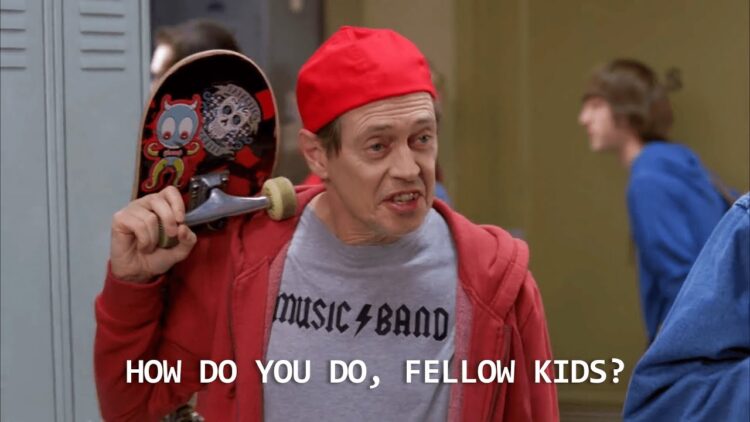
Landing on the good extreme requires an alarming number of variables to align. Misjudge the tone by a fraction and your brand risks looking like Steve Buscemi with a skateboard and baseball cap (referencing a meme more than a decade old is quite a literal way to make this point).
Navigating this terrain means rethinking paid media through the same lens that makes a famous face effective. Specifically:
Choice: media that people actively seek out, and which says something about who they are.
Continuity: media they can follow, subscribe to, and perhaps even look forward to.
Expression: media that lets them react, participate and share, rather than passively endure.
Media that delivers on all three is affinity media
Audiences have an affinity for what they’re reading, watching or listening to. It’s also fertile ground for brands hoping to build genuine affinity with a valuable core audience, though doing so requires more than parachuting in a logo and hoping for the best.
First, affinity media is a rich source of insight. Studying what audiences create, share and consume across social platforms, gaming, podcasts and beyond offers a clearer sense of where a brand might be welcome, and where it absolutely will not.
Second, it’s an effective distribution vehicle. Mapping media environments against choice, continuity and expression helps identify where a message is most likely to gain traction, rather than merely exist.
Finally, affinity media enables creative work that lives outside traditional formats. When done properly, it feels native, authentic, and in tune with how people actually behave.
So no, the job of the modern marketing manager is not quite as breezily straightforward as Ricky Gervais makes it sound. But in a world of fractured audiences and almost infinite choice, the path to scale may well run through something more modest. A mere affinity might just be worth taking advantage of.
 Chris Herbert-Lo is a strategy partner at the7stars. Read his new monthly column for The Media Leader on the first Tuesday of each month.