



Google designated with ‘strategic market status’ by UK Competition and Markets Authority
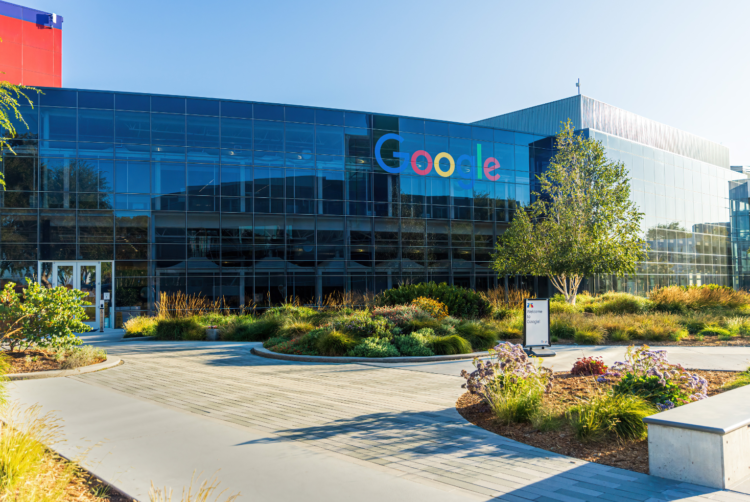
The UK’s Competition and Markets Authority (CMA) has confirmed on 10 October Google has met the legal tests to be designated with “strategic market status” (SMS) in general search and search advertising services.
This confirms that Google has a “substantial and entrenched market power” in general search and search advertising.
AI-based search features, AI Overviews and AI mode have been included within the scope of the SMS status, however the search giant’s AI assistant Gemini has been excluded.
The CMA has said this will be kept under review due to the uncertainty of how the AI market is developing and monitored as usage evolves.
In January, the CMA launched an investigation into Google’s general search and search advertising services and consulted on its proposed decision in June that Google should be designated with strategic market status.
The UK’s new digital markets competition regime came into force on 1 January 2025, and has enabled the CMA to take action to improve competition in digital markets.
The CMA’s review found more than 90% of searches in the UK take place on the platform, and more than 200,000 UK businesses rely on Google search advertising to reach their customers, underlining the importance of healthy competition within the market.
Analysis: What could happen next?
Designating Google with SMS is not a finding of wrongdoing and does not mean there will be immediate changes.
However, it does enable the CMA to consider proportionate, targeted interventions to create fair competition within general search services and to enforce fair treatment of consumers and businesses that rely on Google.
In June, the CMA published a roadmap of potential actions it could prioritise if Google were to be designated.
Early priorities include: requiring choice screens for users to access different search providers, ensure that fair ranking principles for business appear on Google search, more transparency and control for publishers whose content appears in search results and portability of consumer search data to encourage new products and services.
It is expected the CMA will begin consulting on possible interventions later this year.
Chief executive of News Media Association (NMA), Owen Meredith, hailed the decision as a: “Turning point in the fight for a fair and competitive digital economy in the UK.”
The CMA’s inclusion of Discover, AI, Overview and AI Mode within the SMS scope signals their understanding of the impacts AI and Google’s monopolisation of search has had on publishers, and the need to provide protections.
In August, The Professional Publishers Association (PPA) submitted a letter to the UK CMA asking that it introduce and enforce conduct requirements for Google and other incoming AI search platforms.
Saj Merali, CEO of the PPA, echoed this: “This is a critical opportunity to rebalance the digital marketplace.”
However, the pressure is on, and many independent publishers are needing intervention sooner rather than later.
Chris Dicker, CEO of Candr Media Group, previously told The Media Leader, if nothing changes, an estimated 100 of the 300 websites owned by Independent Publishers Alliance members are unlikely to survive in the next 15 months.
Dicker welcomed the CMA’s decision, however, stated the importance of remedies following quickly.
“The pace of change in search and AI is rapid, and every month of inaction risks further irreparable harm,” he added.
Google however has called for “regulatory certainty” and opposed the proposed interventions, with Katie O’Donovan, public policy manager for Google UK, posting on LinkedIn: “Many ideas for interventions raised in this process would inhibit innovation and growth, slowing product launches at a time of profound AI-based innovation.”
One-third of indie publishers could shut down by next year as AI search hits traffic
A different standpoint
The CMA’s decision to designate Google has been underlined as a clear opportunity to create a competitive digital ecosystem. This is in contrast to US judge Amit Mehta’s decision in September not to enforce Google to sell Chrome as a resolution to a five-year US legal battle.
Judge Mehta did pass an order prohibiting the search giant from entering or maintaining exclusive contracts relating to the distribution of Google Search, Chrome, Google Assistant and the Gemini app.
It has also been ordered to make certain search index and user-interaction data available to rivals and potential rivals.
The decision was met with criticism, with a spokesperson for MOW stating: “The failure to force the divestiture of Chrome is a missed opportunity to deliver real public interest benefits and the proposed technical remedies around data sharing and exclusive agreements are insufficient to create real change.”
In comparison the CMS’s decision has been met with optimism, but Meredith outlined the need for the government to continue to take the hard line.
“The British government must also stand firm and continue to resist pressure from the US President, bidding on behalf of Silicon Valley, to dilute pro-competition remedies under the guise of ‘innovation,'” he said.
It appears the CMA is following suit of the EU, which has become the frontrunner in tech legislation since fining Google €2.95bn for abusing its power within the ad-tech industry.
‘An historic failure’ or a new opportunity? Industry reacts to Google’s search monopoly remedies