



How content creators are making TV watchable again
Opinion
Creators are reshaping what a TV star looks like and bringing Gen Z audiences back to the small screen, says NewGen’s CEO.
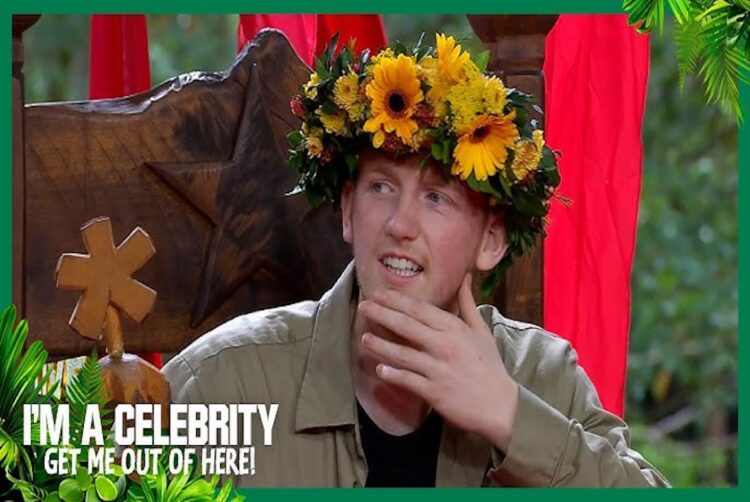
There was something almost poetic about watching Angry Ginge – a 24-year-old streamer who built his career shouting at FIFA referees in his bedroom – crowned as King of the Jungle. A creator, not a “TV personality”, taking home one of Britain’s most traditional broadcast titles. And not by a nose, either. He pulled a decade-high voting total, with more than 13 million votes cast.
For anyone still claiming creators are “just online influencers”, this moment should put the debate to bed. Creators are reviving mainstream and reshaping the very definition of what a TV star looks like.
This isn’t a takeover in the hostile sense; it’s cross-pollination. Digital-first talent bringing their energy, their community, and their storytelling instincts into formats that had begun to forget how to surprise us. When you step back, it becomes clear that creators aren’t replacing TV. They’re the reason younger audiences are giving it another chance.
Creators are making TV watchable again
Traditional broadcasters have long been grappling with Gen Z’s limited interest in TV. Why would they want to sit still in front of a TV when they have the world in their back pocket?
Their community travels with them. Their heroes are people who look like them, speak like them, and don’t need primetime to matter.
YouTube quietly became Britain’s second-most-watched “TV service,” sitting between the BBC and ITV. Streaming platforms have been consuming younger viewers’ time. Social media has redefined attention spans altogether.
Yet as the media landscape fractured, creators drifted toward television, and their audiences followed them. Not because they suddenly cared about the formality of broadcast. But because their favourite storytellers were stepping onto stages with larger sets, larger stakes, and greater cultural resonance.
Angry Ginge winning I’m a Celebrity. Niko Omilana dropping into The Celebrity Traitors with pure chaos energy. George Clarke waltzing onto Strictly and dragging thousands of 18- to 30-year-olds back to live TV to watch him try not to step on toes.
Creators have cracked the code TV has been searching for – relevance. Not over-perfected relevance, but real, participatory, two-way relevance.
Authenticity travels
Creators succeed on TV for the same reason they succeed online – they’re not pretending.
They don’t walk into the jungle, the ballroom, or the Traitors’ castle trying to emulate “TV personalities.” They bring the version of themselves their audience already knows.
That consistency is magnetic. It feels like you’re watching someone you actually understand win, fail, sweat, panic, or absolutely nail an Argentine tango.
And that authenticity extends beyond the screen. When creators appear on TV, they drag millions of fans into the moment with them through reaction videos, backstage content, chaotic livestreams, and late-night debriefs. TV gives them reach. Digital gives them the echo chamber. Together, it becomes a cultural loop.
This is why Gen Z trusts creators more than they ever trusted celebrity TV: they’re rooted in the same platforms, humour, references, and emotional tone as the audiences watching.
TV has always been about mass reach. Creators make that reach feel personal.
The cross-platform effect is rewriting broadcast strategy
When Niko Omilana joined The Celebrity Traitors, the internet lit up before the show even aired. One teaser clip – him claiming he was there to bring “a different way of thinking” – was shared across X (formerly Twitter) thousands of times. But the BBC didn’t push it; his fanbase did.
By the time the first episode dropped, the show had already won a younger, harder-to-reach demographic. That’s the creator effect: they arrive with built-in momentum.
George Clarke had a similar impact on Strictly. The BBC’s most polished, traditional format saw a spike in younger viewing minutes on iPlayer during his debut week. His TikTok rehearsal vlogs, filmed in chaotic selfie mode, routinely outperformed official BBC clips in engagement. Fans weren’t watching to see ballroom technique – they were watching him.
And then there’s Angry Ginge. A bedroom streamer turning into one of the most-watched broadcast winners of the decade is more than a feel-good story. It’s a proof of concept. Creators don’t just participate in TV worlds; they activate them.
For brands, this shift is a gift if they understand the rules
Not to sound like a broken record, but the biggest mistake marketers make is treating creators like bolt-ons. Like a way to “extend the reach” of a TV moment. But when the creator is the moment, everything changes.
Creators are entire ecosystems. Their presence on TV brings more than views – it brings remix culture, hype cycles, memes, commentary, and loyalty. It turns one hour of weekly broadcast into seven days of conversation.
A creator on TV is an ignition switch.
Brands shouldn’t wait for post-show opportunities. They should design for both screens simultaneously. Because a single moment – a slip, a joke, a breakdown, a win – can travel from primetime to TikTok to Twitter to Instagram to group chats before the credits even roll.
TV gives scale. Creators give stickiness. And that combination is the holy grail for marketers trying to cut through a culture that moves at the speed of scroll.
So where does this go next?
If 2025 was the year creators stepped confidently onto traditional TV stages, 2026 and beyond will be about integration. Not cameo casting. Not novelty appearances. Integration.
Creators are the main course, not the parsley on top.
They’re teaching television how to be social again. They’re teaching broadcasters how to build anticipation, not just programming. And they’re proving that younger audiences aren’t “lost”, they just need a reason to show up.
Television just needed new storytellers.
And the people who grew up on YouTube and Twitch, the ones who mastered real-time culture, community and connection, turned out to be the ones who could bring it back to life.
 Mike Craddock is the CEO and co-founder of NewGen