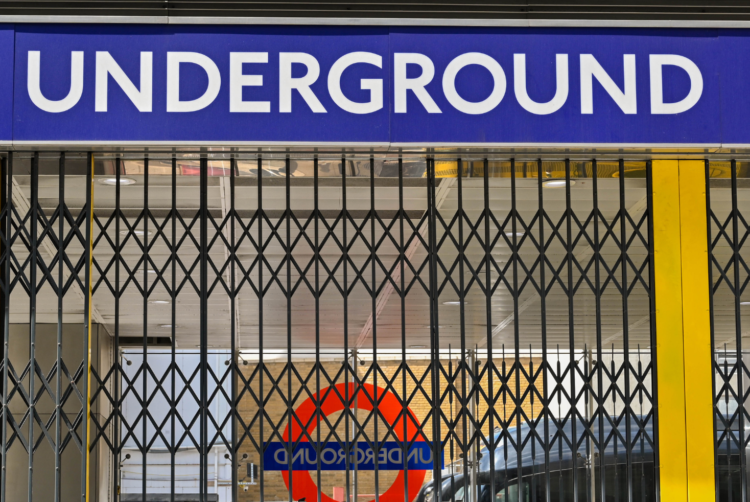
Work commutes that take double the time, cancelled events, long queues for buses — the London Tube strike is in full swing and causing more than just a few eye-rolls.
But one less-reported element of the Underground strike is the effect it has on OOH advertising.
With Tube stations closed, campaigns predominantly focused at reaching commuters face decreased opportunity for reach and engagement, leading to lower impact.
The strike is expected to run until Friday.
Hidden opportunities
Route data shows that the strike has led to a removal of over 125k potential measured locations across London’s Underground network. However, Euan Mackay, the OOH joint industry currency’s CEO, stressed that there are still opportunities for advertisers.
“They are still well-served with alternative options, with ads available in London malls, rail stations, buses and across roadside networks,” he said.
Mackay also highlighted the array of digital options, with 5,000 screens available across the city, underlining the flexibility this offers to advertisers wanting to make last-minute changes to their schedule.
There are also around 100k non-Underground sites available across the capital, according to Route’s data.
Meanwhile, due to the main Underground network being closed, the Elizabeth line will be busier than usual. Route data shows that, in a typical week in September, this line serves over 57m impacts — so there’s potential for advertisers that are ahead of the curve.
Mackay added: “There is scope to capitalise here.”
Moreover, with people travelling around London using other means, such as bus, rail, road, walking and cycling, brands are still able to reach audiences in a number of other ways.
Audience data from Route shows that digital roadside ads reach 77% of adults in the Greater London area in a single week. With more people on the road due to the strike, this could have a positive impact for campaigns in these locations.
Notably, Route data also points to over 925m weekly impacts from London OOH inventory coming from people outside Greater London but who commute into the city.
For Mackay, brands could use this week as a chance to focus on reaching audiences in suburban and satellite towns this week who would typically be travelling into the city.
OOH’s inherent strength
The main strength of OOH is its ability to reach vast audiences across cities over time. This Tube strike doesn’t take that away.
Chris Marjoram, managing director, UK and Europe, at IPG Mediabrands OOH specialist Rapport, said: “It’s important to remember that the Underground is just one component of London’s broader advertising landscape.
“The extensive availability of digital screens across roadside locations, retail environments and other points of interests provides media planners with numerous alternative opportunities to maintain campaign reach and impact.
“In the meantime, people are still travelling, vendors like Global are being proactive and transparent in working with us to protect client interests and, by Friday, we hope things will be back to normal.”
Last year, Global and JCDecaux retained Transport for London’s Underground and bus shelter ad contract respectively. Both have declined to comment.
Transport for London has been reached for comment.
Adwanted UK is the trusted delivery partner for three essential services which deliver accountability, standardisation, and audience data for the out-of-home industry.
Playout is Outsmart’s new system to centralise and standardise playout reporting data across all outdoor media owners in the UK.
SPACE is the industry’s comprehensive inventory database delivered through a collaboration between IPAO and Outsmart.
The RouteAPI is a SaaS solution which delivers the ooh industry’s audience data quickly and simply into clients’ systems.
Contact us for more information on SPACE, J-ET, Audiotrack or our data engines.