



Less hype, more heart: How brands can champion women’s sport in 2026
Opinion
It may be a ‘fallow year’ for major women’s sport tournaments in 2026, but that shouldn’t stop brands from getting behind the female sporting ecosystem, says EssenceMediacom’s EMEA sports & sponsorship director.
This summer, record audiences tuned in for both the UEFA Women’s Euros and the Women’s Rugby World Cup. Sponsors lined up, the stories were inspiring, and the energy was unmistakable.
The Women’s Rugby World Cup alone smashed expectations on the physical and digital fronts, generating 1.1 billion social media impressions and becoming the second-largest Rugby World Cup ever on digital, with two-thirds of new followers across key platforms during the tournament being women.
Its success is a landmark in proving that women’s sport isn’t a ‘football-only’ affair, demonstrating the significant audience-growth potential across other women’s sports.
But as the trophies are lifted and the cameras packed away, one question hangs in the air: who’s sticking around?
With no major women’s football or rugby tournaments in 2026, brands have a chance to prove that their support isn’t seasonal. After all, the real test of commitment begins when the noise dies down.
Reframing the ‘fallow year’
It’s easy to see 2026 as a ‘quiet’ year for women’s sport. But that’s the wrong lens. The challenge isn’t the lack of women’s sports events; it’s the need to reframe the narrative. Women’s sport doesn’t stop when the ‘big’ events do, and neither should brand investment.
The true commitment of a brand is demonstrated through sustained investment in year-round leagues, generating consistent visibility outside peak tournament windows.
In 2026, brands have ample opportunities to maintain momentum by focusing on domestic football leagues such as the Women’s Super League, major annual events such as the Women’s Six Nations rugby tournament, or individual athlete sponsorship across the WTA and LPGA tours. These consistent touchpoints show the support is baked into the ecosystem, not just bought for peak exposure.
With 80% of women’s sports fans also following men’s sports, there’s also a large cross-over audience. Brands can leverage the expansive reach of events like the men’s FIFA World Cup to maintain visibility, reinforce the integrated narrative and inspire more girls at a grassroots level.
Keeping visibility in media and marketing
Even in a men’s World Cup year, there’s no reason female athletes and voices should fade into the background.
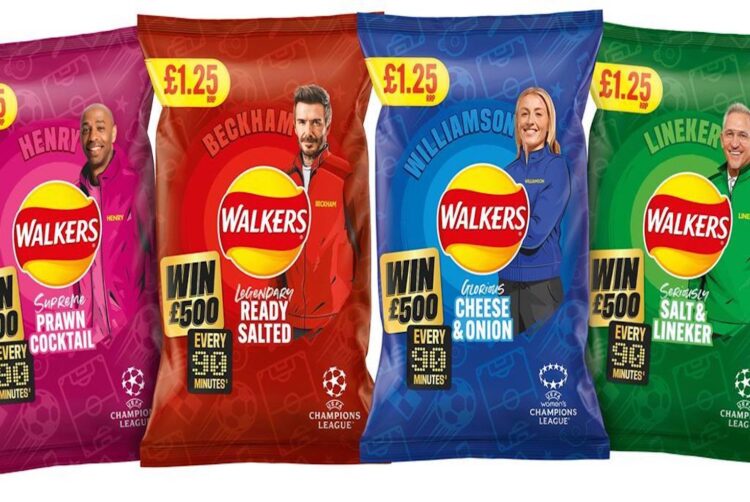
When Pepsi featured Leah Williamson alongside David Beckham in their UEFA X Walkers campaign in 2024, it sent a powerful message: women’s football belongs in the same advertising universe as the men’s.
The same applies to the people telling the stories. Ensuring women’s sports talent is present in coverage, content, and sponsorship will help maintain visibility and momentum.
With the likes of Alex Scott covering the men’s game, there’s an excellent opportunity for more female sports talent to raise their profiles and help champion women’s sport during men’s sporting events.
Beyond the screen, brands must also invest in the infrastructure that supports female voices.
For instance, in 2024, Google Pixel identified a lack of female representation in sports media. It launched Pixel FC Academy, a program designed to help young women break into the male-dominated world of football content creation and media. The graduates have since covered the Women’s Euros and WSL for various brands and publishers. Supporting opportunities for them in the men’s FIFA World Cup will solidify their growth.
Ultimately, women’s sport brings something distinct to the table: a family-oriented, inclusive fanbase and a culture that’s refreshingly free from the toxicity. Fans of women’s sports value “technicality and relatability” and that the fandom is “driven by a love of the sport itself rather than gender”.
For brands, it’s a rare blend of reach and values alignment.
Authenticity over opportunism
For years, advocates have urged brands to move beyond tokenism and stop showing up only when it’s fashionable. 2026 could be the year to test that promise.
True advocacy means being visible between the headlines. This consistency can be demonstrated by supporting grassroots participation, amplifying women’s voices in coaching or commentary or helping grow the visibility of women’s leagues.
Campaigns like Sport England’s This Girl Can show that media buying and community programmes can work hand in hand to build inclusion in the long term. It’s helped more than 3m women become active and reports that eight in 10 felt the campaign improved their confidence. It’s a great example of a long-term initiative that quietly builds equity year-round, showing impact and visibility without being tied to big-screen moments.
There’s also an opportunity to think creatively about where sport meets culture.
Beloved sports drama Ted Lasso returns to Apple TV+ next year, with the promise of a storyline involving a Richmond FC women’s team, which could spark new discussion around inclusion and representation in football. Innovative brands could use these kinds of moments to tell authentic stories, not just promotional ones.
It’s clear the ‘paint it pink’ era of women’s sport marketing is over. Deloitte found 72% of fans value brands that support women’s sport year-round, not just when the spotlight is on. They want brands to invest in the ecosystem, not just the exposure.
Playing the long game
Women’s sport doesn’t need another hype cycle. It needs heart.
The brands that will win in 2026 are the ones that stay the course: showing up authentically, investing consistently and recognising that women’s sport isn’t a side story to men’s tournaments, but a vital part of the same narrative.
Because real progress isn’t measured by how loudly brands cheer during the finals but by who’s still there the following season.
 Anne-Marie McShane is the director – EMEA sports & sponsorship lead at EssenceMediacom