



The clock is ticking: LHF brands should act on retail media now
Opinion
The incoming LHF TV and online ban offers brands an opportunity to be more innovative with their creative, trial new channels and rethink their media strategies.
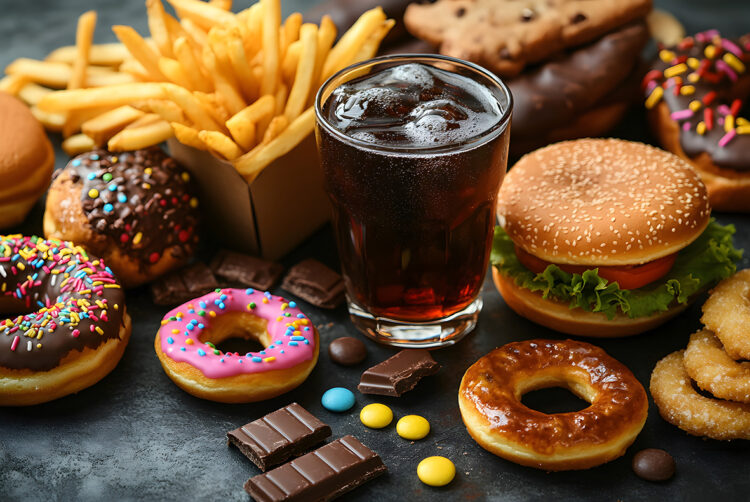
With the UK’s impending restrictions on less healthy food and drink (LHF) advertising only months away, FMCG brands that fall into this category are facing the loss of two of their most cost-effective channels for driving reach and awareness.
From 5 January 2026, product-led ads for LHF products will be banned across TV and streaming (between 5am and 9pm) and across all paid-for digital media.
Until now, TV and digital have proved to be one of the most effective ways for FMCG brands to stay top of mind with consumers, with online channels offering strong audience-targeting capabilities and allowing for real-time optimisation of campaigns.
Take these away and brands are left with a significant hole in their media strategies, especially those whose product is their brand.
Drawing the line between product-led and brand-led creative has become a grey legal area.
While brand-led creatives are exempt, this is only if they do not show identifiable LHF products. Think emotional imagery focused on people and experiences or aspirational design with mood-driven colours. Not necessarily what you would associate with products that fall into this category.
To add to the pressure, key trade bodies such as the Advertising Association, Isba, the IPA and IAB UK, as well as major retailers and publishers, are preparing to adopt the new rules voluntarily from October.
Any brand waiting until the new year to react to these new regulations risks falling dangerously behind.
LHF ad ban delayed to 2026 as government commits to explicitly exempt brand activity
From conversion channel to brand-builder
The big question now is: how can brands fill the looming gap in the consumer journey?
Enter retail media. Once viewed as a lower-funnel conversion tactic, retail media has evolved into a powerful brand-building platform. In fact, it may soon become one of the only top-of-funnel options left for LHF brands that want to scale and stay compliant.
Retail media delivers more than just reach. It offers contextual relevance and real-time proximity. It captures attention. It reaches shoppers when and where it matters most: at the point of purchase.
Combined with other exempt channels such as digital OOH and digital audio, they can work together to drive frequency, reach and impact across the funnel. The risk will be as more brands pivot into those same channels, competition for inventory will intensify, leading to rising costs and limited availability.
Building brand equity
Retail media has become a powerful enabler of both offsite and online campaigns, offering brands innovative ways to reach and engage consumers. For LHF brands, its true advantage lies in the impact of in-store activations, where it can most effectively influence shopper behaviour.
Today’s retail media networks, which now include most key grocers such as Tesco, Sainsbury’s, Asda, Co-op and Morrisons, as well as some high-street retailers, offer omnichannel reach, robust first-party data and rapidly advancing measurement.
From digital screens and in-store radio to loyalty customer relationship management, experiential activations and magazines, brands have access to thousands of physical and digital touchpoints.
Crucially, retail media’s impact goes beyond sales. A recent study by Co-op and Lumen showed that media in a convenience retail setting generate 2× more visibility, 3× more attention and 4× higher brand recall compared with traditional formats. Tesco’s research with Lumen demonstrated the strong visual engagement and emotional impact of in-store digital screens and store takeovers.
A recent Mesh Experience and SMG study found that in-store activations create a 5-6× uplift in brand awareness. These results show that retail media is a powerful solution for replacing lost awareness and saliency under the new LHF regulations.
News, analysis, comment and community — Join The Media Leader
Act early, act smart
The brands that test, learn and adapt now will set the pace for the industry.
With the countdown to enforcement under way, the priority should be on building campaigns that don’t just meet the rules but drive results. That means trialling new formats, measuring what truly engages shoppers and aligning internal teams around fresh KPIs.
While the new LHF regulations may seem like a challenge, it offers brands an opportunity to be more innovative with their creative, trial new channels they perhaps have not previously considered and rethink their media strategies.
Channels like digital OOH and audio can play a supporting role, but retail media can be a critical pillar for compliant, high-impact brand-building. The brands that embrace it now won’t just survive the shift; they’ll define what success looks like in a new advertising world.
 Helen Johnson is managing director at Capture, part of the SMG network