



The Future of TV Advertising Global: TV trends to look out for
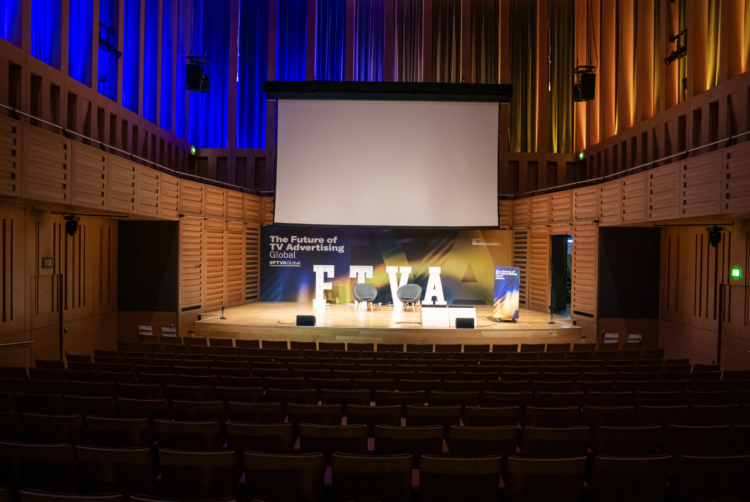
At the Future of TV Advertising Global, held at Kings Place on 9 and 10 December 2025, several TV experts joined The Media Leader at The Studios to highlight emerging industry trends.
Watch the video below:
Richard Broughton, executive director and co-founder, Ampere Analysis
Broughton underlined the consistent trend of M&A across 2025 and how he believes this is set to continue.
He said: “Given the imperative for global scale in the new TV market, I’m expecting more M&A activity as we head into next year with mid-size businesses and businesses that are rich in IP being key targets for other entities.”
Broughton spoke at the FTVA Global 2025 event, arguing that consolidation will remain a winning strategy in 2026.
James Rooke, president, Comcast Advertising
Rooke outlined how publishers will continue to focus on making their inventory easier to buy and more accessible.
“For the big publishers, how are they accelerating taking their linear inventory and making it behave more like streaming?” said Rooke.
Mark Frain, CEO, Foxtel Media
Frain highlighted the continued industry-wide move to outcomes-based measurement: “We’re in this arms race around outcome-based measurement and how can we create a level playing field for the entire industry.”
Aliya Paracha, insight controller, Sky Media
Paracha spoke on the importance of driving TV’s measurability as a channel to enable it to compete with digital channels and remain an attractive offering.
Paracha said: “We’ve seen a growing shift towards digital platforms, advertisers are spending more on the digital platforms and they’re much more trust in them compared to TV, because they can see that they’re working and there is quicker results and turn around.”
Eleni Marouli, head of market developments, Ofcom
Marouli reiterated the dominance of social video platforms and stated this “continued shift” is “something we will continue to see.”
Peter Field, effectiveness expert
Field highlighted the trend he is most excited about — attention metrics and high-quality media.
He said: “We now know we should be chasing attentive reach. attention is about knowing how much we should pay for quality.”
At the end of Q3 last year, Field, Newsworks, and Lumen released a study that showed that high-attention media campaigns deliver significantly better business outcomes than low-attention ones.
High-attention media includes TV, cinema, radio, magazines and news brands, whereas low-attention media includes OOH, social media and pure-play internet, excluding search and direct mail.
Molly Brown, investment director, UM
Brown spoke to the power of sports, stating: “Live sport is one of the key places where viewership isn’t declining compared to other genres of TV.”
This year is set to feature key sports moments, especially in Q2 and Q3, as the run-up to and during the FIFA World Cup.
Paola Colombo, chief digital officer, MFE Advertising
Colombo underlined how automation and AI will continue to take centre stage.
“AI is bringing great help in making products effective but also streamlining workflows,” she said.
Nick Pinks, CEO, Covatic
Pinks spoke to the continued transition and conversation around TV moving to an outcomes based medium as well as a brand building medium.
At the event, Pinks introduced their new offering, “Presence Detection,” which utilises device technology and enables targeting to individuals, as seen in digital channels, overcoming the problems associated with household measurement.
It has been evaluated in the US, UK and Korea, with the results showing 100% accuracy of tracking individuals’ viewing habits within households.
Lina Angelides, managing partner, head of digital planning, OMD UK
Angelides highlighted how there will be a continued shift towards programmatic inventory exchange.
In looking ahead to industry trends in 2026, she said: “More premium video inventory being available on DSPs.”
Kate Scott-Dawkins, global president, business intelligence, WPP Media
Scott-Dawkins emphasised the explosion of influencer content across all platforms and its continued growth.
Steve Reynolds, CEO, Imagine Communications
Reynolds said that operators can “reaggregate” their audiences across linear, streaming, and BVOD and “bring it together to one common pool of inventory.”
Thomas Servatius, co-CEO, Smartclip
Servatius outlined the continued trend of “consolidation and collaboration.”