



The opportunity and obstacle of Grand Theft Auto VI
Opinion
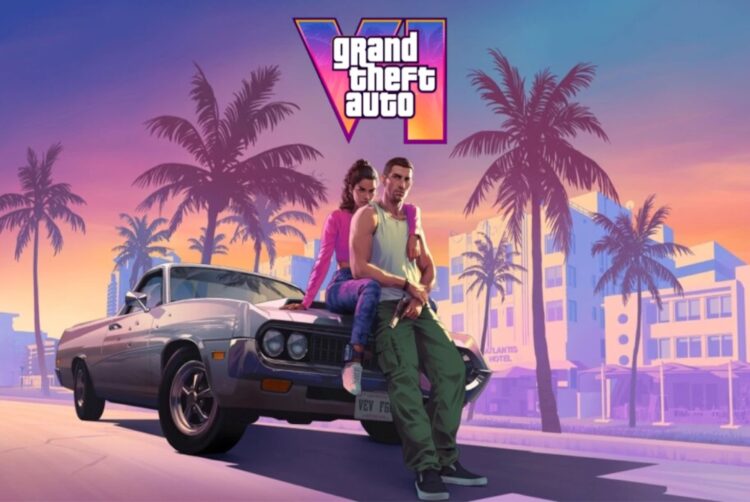
Gamers will need to wait another six months for the delayed GTA VI. However, Arena Media’s group managing partner believes it will be worth it, and brands should start planning for the return of Vice City now.
Since its launch on PC & Consoles in 2013, Grand Theft Auto V (GTA) has done more than entertain; it has defined what an open-world gaming blockbuster can be.
It remains one of the most successful entertainment products ever created, with over 215m copies sold, second only to Minecraft, and more than $10bn in lifetime revenue.
It made $800m within 24 hours of release and crossed $1bn in three days, numbers that Hollywood and the music industry can only dream of. For context, films released globally in cinemas during 2024 grossed $33bn (BoxOfficeMojo).
GTA Online then turned a one-off release into a living ecosystem. Microtransactions alone generated $985m in FY2021, while Take-Two reported $551m in Q3 recurrent spending that same year, almost entirely driven by Los Santos’ digital economy.
A decade later, GTA V still shifts around five million copies every quarter and attracts 22m monthly active players. That’s edging towards an economy.
But perhaps GTA’s real achievement is cultural. What began as a subversive satire, mocking excess through stolen cars and talk radio rants, has become a legitimate cultural engine.
GTA is no longer looking at culture from the outside; it’s creating it. Its music discoveries launch careers. Its fashion aesthetic seeps into streetwear. Its in-game radio stations shape taste in the same way MTV once did. In 2013, it was the rebel franchise poking fun at the mainstream media. In 2025, it is the mainstream.
GTA VI: More than just a sequel
All signs point to GTA VI being the biggest entertainment launch of the decade. Analysts at Konvoy forecast roughly $2bn in day-one sales and up to $7.6bn within the first 60 days. To give that value a reference, that’s more than Avengers: Endgame and Taylor Swift: The Eras Tour combined.
However, Rockstar has confirmed another delay, pushing GTA VI‘s launch to November 2026; the ripple effects extend far beyond impatient fans.
The additional twelve-month gap effectively reshapes the release landscape. 2025, once considered the “GTA shadow year,” may now become a pressure-release valve for other publishers, encouraging a busier launch slate as studios seize the breathing room.
Conversely, late 2026 becomes the new bottleneck for media inflation and audience attention. Expect a bidding war for every poster, bus wrap, and broadcast slot within reach.
For the rest of the industry, this remains both thrilling and terrifying. Rockstar’s marketing machine could dominate the cultural conversation for months, effectively blacking out the launch calendar for anyone else. Yet paradoxically, it could also grow the market.
Every hardware cycle needs its killer app, and GTA VI could be the one that drives late adopters back into console ownership. New players mean new audiences, and for publishers willing to think long term, that increase in gamers is a gift.
The smartest studios won’t compete directly; they’ll orbit the moment. Expect DLC drops, companion experiences, or even influencer-led “Vice City adjacent” events that help smaller titles surf the same cultural wave.
In short, if you can’t beat the heist, join the getaway that GTA VI will create.
Ripples beyond gaming: Culture, FMCG, and media in GTA’s wake
GTA releases have always been pop-culture events, generating hype and controversy whenever a new title is released.
GTA VI may be the first to pause other entertainment around it. When Halo 3 landed in 2007, its opening week rivalled Hollywood blockbusters, complete with Pepsi tie-ins and NASCAR-branded cars.
We’ve seen other more recent games follow that playbook. Still, GTA’s return will likely eclipse them all, spanning music playlists, streetwear collaborations, and meme economies before the first mission even loads.
Historically, big game releases do more than shift software; they shift habits. Food delivery spikes on launch weekends; energy-drink brands double stock. The relationship between gaming and FMCG is symbiotic: big releases turn living rooms into micro-arenas of consumption. It’s why, when Pokémon Go took over the world in 2016, restaurants began offering “PokéStops.” Don’t be surprised if, come November 2026, local pizza chains start offering “Vice Slices.”
The delay also extends anticipation fatigue; expect social chatter, leaks, and content speculation to fill the vacuum through early 2026. That creates a secondary opportunity for brands and creators: to capitalise on the “pre-launch hype economy.”
As audiences rewatch trailers, debate leaks, and revisit GTA V, there’s a fertile 12-month window for clever marketers to play in the ecosystem before the noise peaks.
Even media behaviour will bend slightly. Television viewing might dip, but second-screen usage, Twitch streams, Discord chats, TikTok clips, and Reddit discussions will explode.
A cultural collision point
As someone who has spent five years building gaming strategies inside a media agency, and more hours than I’d admit modifying cars in GTA Online, it’s hard not to see GTA VI as a cultural collision point.
It will be both an opportunity and an obstacle: a test for marketers, a headache for schedulers, and a gold mine for anyone brave enough to lean in.
Brands should approach this not as competition but as context. Think ecosystem-first.
Forge partnerships with gaming platforms, FMCG brands, streamers, and content creators who can authentically plug into one of the most anticipated entertainment moments in a generation.
When Vice City becomes the topic of conversation again, it will impact the entire entertainment landscape.
 Ashley Bolt is group managing partner at Arena Media