



Why every media plan needs a Buzz Lightyear moment
Opinion
Buzz Lightyear is not the only disruptor making a comeback; direct mail is also on the smart marketer’s radar for 2026, says Marketreach’s Sonia Danner.
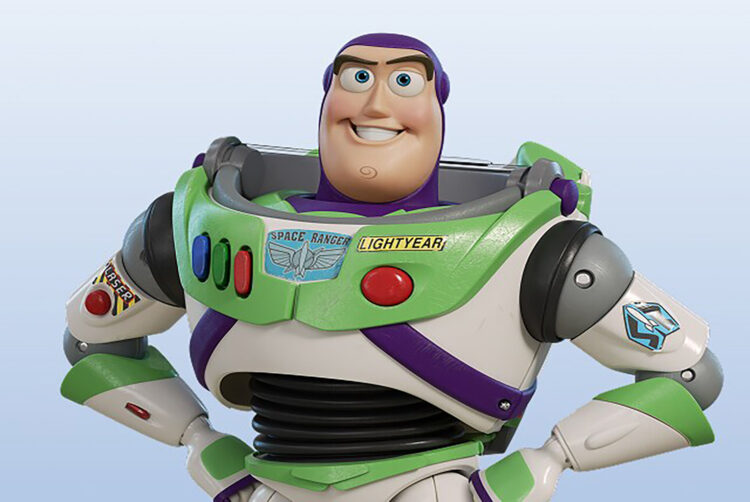
It’s time to celebrate the 30th birthday of one of the great disruptors – I don’t mean Hotmail, Windows 95 or the launch of Amazon.com. We’re talking, of course, about Buzz Lightyear of Star Command.
Pixar’s Toy Story gang arrived in cinemas 30 years ago and was soon universally embraced. But as much as we loved Woody, Mr Potato Head and co., it was Buzz who was the real star – a showstopping ball of intergalactic energy and momentum.
Talking Buzz Lightyear figures were the must-have Christmas gift the following year in 1996, and in extremely short supply, as Tour Guide Barbie pointed out in Toy Story 2!
Buzz arrived as a disruptor par excellence, shaking up the status quo of the loved but tired contents of Andy’s toy box with his excitement and fresh ways of thinking – and he’s due back in another Toy Story movie next year.
He’s a reminder that we occasionally need to shake things up to avoid becoming stale, and this includes safe media plans.
Disrupt your media plan
Marketers and planners often default to the predictable when planning campaigns, allocating budget to big tech platforms and social media, maybe with some TV and OOH for brands with deeper pockets.
Plans are lacking in imagination, and there’s little to surprise, delight or disrupt in what’s become the conventional media mix. If you put the same in, you’ll get the same out, and there’s a risk of decline in campaign performance as audiences tune out or skip ads.
Buzz is not the only disruptor making a comeback; direct mail is also on the smart marketer’s radar.
The unique attributes of direct mail have been recognised of late, and this is evident by tracking the quarterly IPA Bellwether report. It shows direct marketing, which encompasses mail, enjoying positive budget growth for nearly three years, outstripping most other ‘traditional’ media channels.
Just how does mail shake things up? Well, like Buzz, it can rocket through the general noise to grab attention. It cuts through the clutter because it is physical – putting brands directly into customers’ hands – it’s unexpected, and engages people in a way digital channels often struggle to replicate.
We all remember Buzz’s lines in Toy Story, right? If you search, you’ll find he’s one of the most quotable characters. Mail also delivers superior attention and memorability, while its tactile nature triggers stronger neurological responses and long-term memory encoding, which influences decisions.
JICMAIL figures show 95% of mail is engaged with, and brands like online fashion retailer Baukjen are discovering it is reinvigorating its customer relationships.
The eco-friendly business made a strategic decision to return to catalogue mailings last year after a long absence and found that recipients accounted for 52% of its total gross sales during the key Autumn/Winter trading period.
Buzz also represents the excitement of space-age advances in technology. While we’re not delivering mail to the moon (yet), mail is embracing tech capabilities to enhance targeting, precision, and analytics.
It supports geo-targeting, the ability to model desirable audiences, programmatic responsiveness to online consumer signals and sophisticated metrics for KPIs. Gen AI tools also allow brands to A/B test mail creative at speed to find the best emotional triggers for engagement.
And like Buzz, direct mail soon fits right in. The other toys just needed more time to understand him, but he soon demonstrated how trusted and valuable he is to the team.
We know trust is a high-value currency in the media mix and increasingly essential to commercial success – mail binds together brand resilience, long-term relationships and customer lifetime value.
Marketreach’s new The Trust Factor report shows that mail is ranked top as the most trusted media and has the strongest channel impact on driving trust in a communication.
Lean into each channel’s strengths
Of course, an effective campaign needs to lean into the differing strengths offered by a channel mix, and mail is not a silver bullet on its own.
As acclaimed brand consultant and marketing professor Mark Ritson says, “if you don’t consider a channel, you are not doing your job.”
We know that a balanced blend of channels can reinforce and amplify each other, and just as Buzz is most effective working alongside his friends, so mail works best when introduced into a carefully considered combination. It can integrate seamlessly with digital journeys via QR codes, AR features, automation platforms and retargeting.
Buzz didn’t replace his friend Woody; he helped him evolve, and his involvement ultimately only made the team stronger and effective when working in tandem.
Mail shouldn’t be seen as competing with other channels for budget, but as an enhancer, adding lift to the overall performance. WARC reports that campaigns with mail in the mix are 43% more likely to deliver revenue uplifts.
As our tenacious toy says, “the important thing is that we stick together.”
As we all head towards 2026, there should be a brief breathing space to reflect on what has worked and what could be improved in campaigns. There’s no doubt in my mind that every media plan needs its own Buzz Lightyear moment of disruption to reach new levels of effectiveness. Then, with an injection of fresh creative thinking, a brand can blast off to infinity and beyond.
 Sonia Danner is a senior marketer at Marketreach